
1. Phiên bản Tiếng Việt
Học một ngoại ngữ thứ hai, thường gọi là Ngoại ngữ 2, chưa bao giờ là chuyện dễ dàng. Áp lực từ chương trình học, khối lượng từ vựng khổng lồ, ngữ pháp phức tạp và cả nỗi sợ mắc lỗi khi giao tiếp – tất cả dồn nén, biến việc học thành một gánh nặng thay vì niềm vui khám phá. Nhiều học sinh vật lộn với nó. Rất nhiều. Giờ giấc học thêm kín đặc. Phụ huynh cũng không khỏi lo lắng về hiệu quả. Phải chăng chúng ta đang thiếu một phương pháp thực sự hiệu quả, một công cụ đủ sắc bén để vượt qua những rào cản cố hữu này?
Ý tưởng về một “gia sư” luôn sẵn sàng, kiên nhẫn và không bao giờ phán xét có lẽ từng là một giấc mơ xa vời. Nhưng nay, trợ lý AI đang dần hiện thực hóa điều đó, ít nhất là trên lý thuyết. Liệu các công cụ AI, từ những chatbot thông minh đến các nền tảng học ngôn ngữ tích hợp, có thực sự là lời giải cho bài toán nan giải của Ngoại ngữ 2? Hay đây chỉ là một sự thổi phồng khác của công nghệ, một giải pháp nửa vời có thể dẫn đến sự phụ thuộc mù quáng và bỏ quên những giá trị cốt lõi của việc học ngôn ngữ? Chúng ta cần một cái nhìn tỉnh táo. Thực tế thường phức tạp hơn nhiều so với những lời quảng cáo.
Một công cụ mạnh mẽ đòi hỏi người dùng phải hiểu rõ cách vận hành và kiểm soát nó. Bằng không, lợi bất cập hại. Bài viết này sẽ không chỉ ca ngợi tiềm năng của trợ lý AI, mà còn bóc tách sâu hơn về cơ chế hoạt động, những lợi ích thực tế đi kèm rủi ro tiềm ẩn, và quan trọng hơn cả: làm thế nào để biến những công nghệ này thành đồng minh đắc lực, thay vì chỉ là một món đồ chơi công nghệ hào nhoáng. Chúng ta sẽ cùng nhau tìm hiểu những chiến lược cụ thể, kèm theo các “mệnh lệnh” (prompt) thiết thực để biến AI thành một gia sư Ngoại ngữ 2 cá nhân, đáng tin cậy.
Cơ chế hoạt động của Trợ lý AI trong việc học Ngôn ngữ
Khi nói về trợ lý AI cho việc học Ngoại ngữ 2, chúng ta đang đề cập đến những mô hình ngôn ngữ lớn (LLM) được huấn luyện trên một lượng dữ liệu khổng lồ bao gồm văn bản, hội thoại, sách báo, và cả các tài liệu học thuật từ nhiều ngôn ngữ khác nhau. Khả năng cốt lõi của chúng là xử lý ngôn ngữ tự nhiên (NLP) và tạo ra văn bản. Nói đơn giản, AI có thể “hiểu” câu hỏi của bạn và “trả lời” một cách mạch lạc, giống như một người đang đối thoại.
Tuy nhiên, nó không chỉ là một cỗ máy dịch thuật thông minh. Trợ lý AI ngày nay có thể mô phỏng một cuộc trò chuyện, điều chỉnh độ khó của từ vựng và cấu trúc ngữ pháp dựa trên phản ứng của người học, thậm chí giải thích các quy tắc phức tạp bằng những ví dụ cụ thể. Nó học hỏi từ tương tác, ghi nhớ các lỗi sai lặp lại và gợi ý cách khắc phục. Một công cụ vô cùng linh hoạt. Điểm mạnh lớn nhất nằm ở khả năng cá nhân hóa trải nghiệm. Thay vì một giáo trình chung cho tất cả, AI có thể tạo ra những bài tập, tình huống giao tiếp, hoặc giải thích ngữ pháp riêng biệt, phù hợp với trình độ và phong cách học của từng cá nhân. Một người bạn học kiên nhẫn. Luôn sẵn sàng.
Lợi ích thực tế khi dùng Trợ lý AI học Ngoại ngữ 2
Việc tích hợp trợ lý AI vào quá trình học Ngoại ngữ 2 mang lại những cải thiện đáng kể so với phương pháp truyền thống. Dưới đây là bảng so sánh cụ thể về những giá trị mà AI có thể mang lại:
| Đặc điểm | Phương pháp truyền thống | Học với Trợ lý AI |
|---|---|---|
| Thực hành hội thoại | Hạn chế, phụ thuộc vào giáo viên/bạn học, dễ ngại ngùng. | Linh hoạt 24/7, không lo mắc lỗi, môi trường an toàn để thử nghiệm. |
| Phản hồi ngữ pháp & từ vựng | Thường chậm trễ, đôi khi thiếu chi tiết hoặc mang tính chung chung. | Tức thì, chi tiết, cá nhân hóa, chỉ ra lỗi cụ thể và cách sửa. |
| Khám phá & mở rộng từ vựng | Giới hạn trong sách giáo khoa, danh sách có sẵn, ít ngữ cảnh thực tế. | Đề xuất thông minh theo ngữ cảnh, giải thích sắc thái từ, tạo câu ví dụ. |
| Luyện kỹ năng viết | Cần người chấm sửa, tốn thời gian, đôi khi không biết lỗi ở đâu. | Kiểm tra ngữ pháp, chính tả, gợi ý cấu trúc câu, cải thiện văn phong. |
| Đa dạng hóa tài liệu học | Phụ thuộc vào nguồn giáo viên cung cấp, khó tìm kiếm tài liệu phù hợp. | Tóm tắt bài báo, giải thích video, tạo bài đọc theo chủ đề và trình độ. |
Trợ lý AI: Tăng tốc học Ngoại ngữ 2 như thế nào?
Thực hành Hội thoại
Đối thoại không giới hạn, mô phỏng tình huống thực tế, vượt qua rào cản tâm lý.
Phản hồi & Sửa lỗi
Phân tích ngữ pháp, cấu trúc câu, từ vựng tức thì, chỉ ra lỗi và giải thích rõ ràng.
Mở rộng Từ vựng
Đề xuất từ đồng nghĩa, trái nghĩa, thành ngữ theo ngữ cảnh, tạo danh sách học tập cá nhân.
Tạo Tài liệu Cá nhân
Biến bài học phức tạp thành dễ hiểu, tạo tóm tắt, ví dụ, hoặc bài tập phù hợp trình độ.
Học theo Sức mình
Học bất cứ khi nào, ở đâu, với tốc độ và lộ trình phù hợp năng lực từng người.
Thách thức thực tế và Giải pháp tối ưu
Dù có nhiều tiềm năng, việc sử dụng trợ lý AI trong học Ngoại ngữ 2 không phải không có thách thức. Một trong những rủi ro lớn nhất là sự phụ thuộc quá mức. Nếu học sinh chỉ dựa vào AI để dịch hay sửa lỗi mà không thực sự hiểu ngữ pháp, cấu trúc câu, hoặc bối cảnh văn hóa, thì đó là một sự thất bại. Kiến thức rỗng. Khả năng tư duy phản biện và giải quyết vấn đề bằng ngôn ngữ sẽ mai một. Điều này không khác gì việc dùng máy tính để giải toán mà không hiểu bản chất phép tính.
Một vấn đề khác là chất lượng đầu ra của AI. Trợ lý AI có thể “ảo giác” (hallucinate), đưa ra thông tin sai lệch hoặc dịch thuật không tự nhiên, thiếu sắc thái. Ngôn ngữ là một hệ thống phức tạp, có nhiều cách diễn đạt phụ thuộc vào văn hóa và bối cảnh. AI, dù tiên tiến, vẫn chỉ là một mô hình thống kê. Nó không có cảm xúc hay kinh nghiệm sống. Đôi khi, lời khuyên của nó có thể nghe máy móc, thiếu đi sự ấm áp và sâu sắc của một giáo viên người thật.
Vậy giải pháp là gì? Đầu tiên, hãy xem AI như một công cụ hỗ trợ đắc lực, không phải là người thay thế. Luôn kết hợp AI với các phương pháp học truyền thống: đọc sách, nghe podcast, xem phim, và quan trọng nhất là tương tác với người bản xứ hoặc giáo viên. Thứ hai, phát triển kỹ năng đặt câu hỏi (prompt engineering). Chất lượng đầu ra của AI phụ thuộc rất nhiều vào câu lệnh bạn đưa ra. Một prompt cụ thể, rõ ràng sẽ cho kết quả tốt hơn nhiều so với một câu hỏi chung chung. Bạn cần hướng dẫn AI trở thành gia sư mà bạn muốn.
Dưới đây là một số prompt và mẹo để khai thác tối đa trợ lý AI:
- Luyện hội thoại với kịch bản cụ thể: “Act as a native [Tên ngôn ngữ 2] speaker from [Tên thành phố/quốc gia]. Let’s have a conversation about [chủ đề, ví dụ: ‘planning a trip to your country’]. Correct my grammar and vocabulary gently. Start the conversation.” (Đóng vai một người bản xứ [Tên ngôn ngữ 2] đến từ [Tên thành phố/quốc gia]. Hãy trò chuyện về [chủ đề]. Hãy sửa lỗi ngữ pháp và từ vựng của tôi một cách nhẹ nhàng. Bắt đầu cuộc trò chuyện.)
- Giải thích ngữ pháp phức tạp: “Explain the [tên ngữ pháp, ví dụ: ‘subjunctive mood’] in [Tên ngôn ngữ 2] using simple analogies and provide 5 example sentences at B1 level.” (Giải thích [tên ngữ pháp] trong [Tên ngôn ngữ 2] bằng các phép so sánh đơn giản và cung cấp 5 câu ví dụ ở trình độ B1.)
- Mở rộng từ vựng theo ngữ cảnh: “I’m writing an email about a job application. Suggest 10 professional synonyms for ‘important’ and use them in context in [Tên ngôn ngữ 2]. Also, explain the subtle differences in meaning.” (Tôi đang viết một email xin việc. Hãy gợi ý 10 từ đồng nghĩa chuyên nghiệp cho từ ‘important’ và sử dụng chúng trong ngữ cảnh bằng [Tên ngôn ngữ 2]. Đồng thời, giải thích sự khác biệt nhỏ về ý nghĩa của chúng.)
- Kiểm tra và cải thiện bài viết: “I’ve written a short paragraph in [Tên ngôn ngữ 2] about [chủ đề]. Please check for grammar, spelling, and suggest ways to make it sound more natural and fluent. Here’s the paragraph: [Dán đoạn văn của bạn].” (Tôi đã viết một đoạn văn ngắn bằng [Tên ngôn ngữ 2] về [chủ đề]. Vui lòng kiểm tra ngữ pháp, chính tả và gợi ý cách để đoạn văn nghe tự nhiên và trôi chảy hơn. Đây là đoạn văn: [Dán đoạn văn của bạn].)
- Tạo bài đọc/nghe theo trình độ: “Generate a short story in [Tên ngôn ngữ 2] about [chủ đề] for an A2 level learner. Include vocabulary that is relevant to [một chủ đề cụ thể, ví dụ: ‘travel and tourism’].” (Tạo một câu chuyện ngắn bằng [Tên ngôn ngữ 2] về [chủ đề] cho người học trình độ A2. Bao gồm các từ vựng liên quan đến [một chủ đề cụ thể].)
Cuối cùng, hãy luôn giữ tinh thần phản biện. Không phải lúc nào AI cũng đúng. Nếu bạn thấy điều gì đó không hợp lý, hãy hỏi lại, tìm kiếm thông tin từ các nguồn đáng tin cậy khác. Một công cụ thông minh đòi hỏi một người dùng thông minh. Đó là chìa khóa.
Các câu hỏi thường gặp về Trợ lý AI Ngoại ngữ 2 (FAQ)
1. Trợ lý AI có thể thay thế giáo viên Ngoại ngữ 2 không?
Tuyệt đối không. Trợ lý AI là một công cụ bổ trợ tuyệt vời, nhưng không thể thay thế vai trò của giáo viên. Giáo viên mang đến sự tương tác con người, khả năng thấu hiểu tâm lý học sinh, điều chỉnh phương pháp giảng dạy linh hoạt, và quan trọng nhất là truyền cảm hứng và động lực – những yếu tố mà AI chưa thể làm được. AI có thể cung cấp dữ liệu, thực hành, nhưng người thầy mới là người dẫn dắt con đường học tập, giúp học sinh phát triển toàn diện cả về ngôn ngữ và tư duy.
2. Làm sao để tôi biết AI đưa ra câu trả lời hay lời khuyên đúng?
Đây là một vấn đề quan trọng. AI không phải lúc nào cũng chính xác 100%, đặc biệt với các mô hình ngôn ngữ lớn. Luôn giữ tinh thần hoài nghi lành mạnh. Khi AI đưa ra một giải thích ngữ pháp mới hoặc một cụm từ mà bạn chưa từng nghe, hãy kiểm tra chéo với các nguồn đáng tin cậy như từ điển song ngữ uy tín, sách ngữ pháp, hoặc hỏi giáo viên. Đừng ngần ngại yêu cầu AI giải thích thêm hoặc cung cấp ví dụ khác. Kỹ năng thẩm định thông tin là cực kỳ cần thiết khi làm việc với AI.
3. Trợ lý AI có giúp luyện phát âm hiệu quả không?
Trợ lý AI dựa trên văn bản (như ChatGPT, Gemini) không thể trực tiếp “nghe” và sửa phát âm của bạn. Tuy nhiên, chúng có thể hỗ trợ gián tiếp rất tốt. Bạn có thể yêu cầu AI cung cấp bảng phiên âm quốc tế (IPA) của một từ, giải thích cách đặt lưỡi và môi cho một âm khó, hoặc tạo ra các đoạn văn để bạn luyện đọc to. Sau đó, bạn có thể sử dụng các ứng dụng chuyên biệt về phát âm có tích hợp AI (như Elsa Speak, Speechling) để nhận phản hồi trực tiếp về âm thanh. Kết hợp cả hai sẽ mang lại hiệu quả cao hơn.
4. Tôi nên chọn loại trợ lý AI nào để học Ngoại ngữ 2?
Có nhiều lựa chọn khác nhau, tùy thuộc vào nhu cầu và ngân sách. Đối với các tác vụ đa năng như hội thoại, giải thích ngữ pháp, tạo tài liệu, các mô hình ngôn ngữ lớn như ChatGPT (phiên bản trả phí có nhiều tính năng hơn), Google Gemini, hoặc Claude là những lựa chọn mạnh mẽ. Nếu bạn muốn tập trung vào luyện từ vựng, ngữ pháp cơ bản và phát âm có phản hồi trực tiếp, các ứng dụng học ngôn ngữ chuyên dụng như Duolingo, Memrise, Babbel hoặc Elsa Speak sẽ phù hợp hơn. Nhiều người chọn kết hợp cả hai: dùng AI đa năng cho các câu hỏi mở và ứng dụng chuyên biệt cho luyện tập có cấu trúc.
5. Làm thế nào để duy trì động lực khi học Ngoại ngữ 2 với AI?
Mặc dù AI rất tiện lợi, nhưng việc duy trì động lực vẫn là yếu tố con người. Để tránh cảm giác nhàm chán hoặc đơn độc, hãy đặt ra mục tiêu rõ ràng và cụ thể cho mỗi buổi học với AI. Xen kẽ các hoạt động: một buổi luyện hội thoại, một buổi học từ vựng, một buổi đọc tài liệu. Quan trọng hơn, hãy tìm cách kết nối những gì học được với sở thích cá nhân – trò chuyện với AI về bộ phim yêu thích, viết một đoạn văn về ước mơ du lịch. Kết hợp học với AI cùng với các nhóm học, bạn bè để tạo môi trường học tập đa dạng và có thêm động lực từ sự tương tác xã hội.
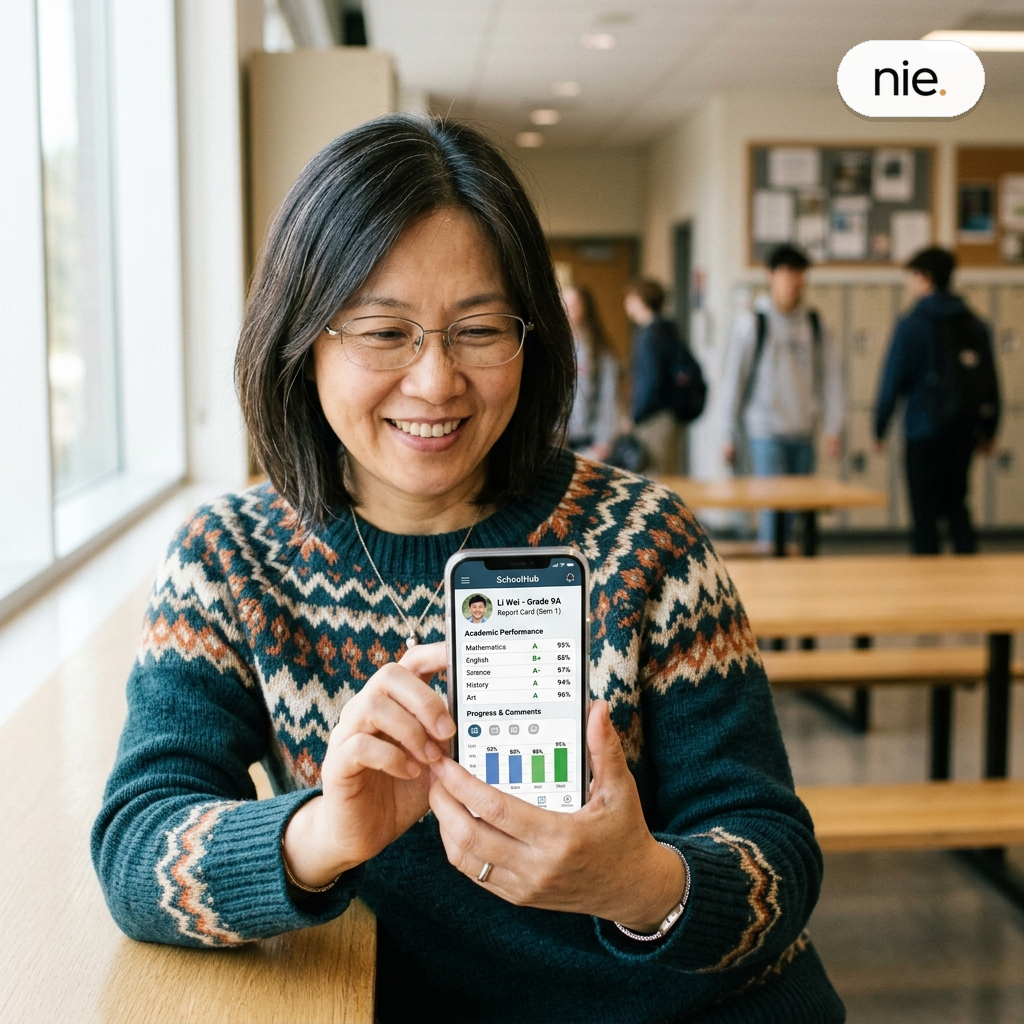
Kết lại, trợ lý AI không phải là phép màu. Nhưng khi được sử dụng đúng cách, với tư duy phản biện và chiến lược rõ ràng, nó thực sự là một nguồn lực đáng kinh ngạc để phá vỡ những rào cản trong việc học Ngoại ngữ 2. Học sinh có thể biến chiếc điện thoại, máy tính thành một gia sư cá nhân 24/7, luôn kiên nhẫn và sẵn sàng giải đáp mọi thắc mắc, giúp bạn luyện tập không ngừng nghỉ. Cái bạn cần là sự chủ động và khả năng điều hướng công cụ này một cách thông minh.
NIE.vn luôn đồng hành cùng các cá nhân và doanh nghiệp trong hành trình chuyển đổi và ứng dụng công nghệ. Nếu bạn đang tìm kiếm các giải pháp để tối ưu hóa việc học tập, làm việc, hay kinh doanh thông qua thiết kế Website chuẩn SEO, các phần mềm bản quyền uy tín, hoặc các giải pháp E-learning tiên tiến, đừng ngần ngại liên hệ. Hộ kinh doanh Nguyễn Thông với kinh nghiệm thực chiến sẽ mang đến những giải pháp công nghệ phù hợp nhất, giúp bạn vươn mình trong bối cảnh cạnh tranh hiện tại.
2. English Version
Learning a second foreign language, often simply referred to as L2, has never been an easy feat. The relentless pressure of the curriculum, the daunting volume of vocabulary, intricate grammatical structures, and the pervasive fear of making mistakes in communication – all converge to transform the exciting journey of language acquisition into a formidable burden. Many students grapple with this struggle, often dedicating countless hours to extra lessons, while parents fret over the effectiveness of these efforts. This raises a crucial question: are we truly lacking a genuinely effective methodology, a sufficiently sharp tool to overcome these inherent barriers?
The notion of an ever-present, endlessly patient, and non-judgmental tutor might once have seemed like a utopian dream. But today, AI assistants are progressively turning this concept into a tangible reality, at least in theory. So, the question arises: are AI tools, ranging from sophisticated chatbots to integrated language learning platforms, truly the panacea for the challenging L2 equation? Or is this just another technological hype cycle, a half-baked solution that could lead to blind dependency and neglect the core values of genuine language learning? We need a clear-eyed perspective, as reality often proves far more intricate than marketing promises suggest.
A powerful tool demands a user who thoroughly understands its operation and can effectively control it. Otherwise, the downsides may outweigh the benefits. This article will not merely extol the potential of AI assistants; it will delve deeper into their operational mechanisms, the practical advantages coupled with their inherent risks, and most importantly: how to transform these technologies into powerful allies, rather than just flashy tech gadgets. Together, we will explore specific strategies, accompanied by practical “prompts,” to leverage AI as a reliable, personalized L2 tutor.
How AI Assistants Work in Language Learning
When we talk about AI assistants for L2 learning, we are referring to large language models (LLMs) trained on a massive corpus of data, including texts, conversations, books, news articles, and academic materials from various languages. Their core capabilities lie in natural language processing (NLP) and text generation. Simply put, AI can “understand” your questions and “respond” coherently, much like a human engaged in a conversation.
However, it’s more than just a sophisticated translation machine. Modern AI assistants can simulate conversations, adjust the difficulty of vocabulary and grammatical structures based on the learner’s responses, and even explain complex rules with concrete examples. They learn from interactions, remember recurring errors, and suggest corrections. This makes them incredibly flexible tools. Their greatest strength lies in their ability to personalize the learning experience. Instead of a one-size-fits-all curriculum, AI can generate unique exercises, communication scenarios, or grammatical explanations tailored to an individual’s proficiency level and learning style. It serves as a patient, ever-ready study companion.
Practical Benefits of Using AI Assistants for L2 Learning
Integrating AI assistants into the L2 learning process offers significant improvements over traditional methods. Below is a detailed comparison highlighting the specific values that AI can bring:
| Feature | Traditional Methods | Learning with AI Assistant |
|---|---|---|
| Conversation Practice | Limited, reliant on teachers/peers, often leads to shyness/hesitation. | 24/7 availability, eliminates fear of making mistakes, provides a safe environment for experimentation. |
| Grammar & Vocabulary Feedback | Often delayed, sometimes lacks detail or is too general. | Instant, detailed, personalized, points out specific errors and suggests corrections. |
| Vocabulary Exploration & Expansion | Limited to textbooks, predefined lists, few real-world contexts. | Intelligent contextual suggestions, explanations of word nuances, generation of example sentences. |
| Writing Skill Development | Requires human correction, time-consuming, sometimes unclear where errors lie. | Checks grammar, spelling, suggests sentence structures, improves writing style. |
| Diversifying Learning Materials | Dependent on teacher-provided resources, difficulty finding suitable materials. | Summarizes articles, explains videos, generates readings based on topics and proficiency levels. |
AI Assistant: How Does It Accelerate L2 Learning?
Conversation Practice
Unlimited dialogue, simulates real-life situations, breaks through psychological barriers.
Feedback & Error Correction
Instant analysis of grammar, sentence structure, and vocabulary, highlighting errors with clear explanations.
Vocabulary Expansion
Suggests synonyms, antonyms, and idioms in context, creates personalized study lists.
Personalized Material Creation
Transforms complex lessons into easily digestible content, creates summaries, examples, or exercises tailored to proficiency.
Self-Paced Learning
Learn anytime, anywhere, at a pace and along a path that suits individual capabilities.
Real Challenges and Optimal Solutions
Despite its vast potential, using AI assistants for L2 learning is not without its challenges. One of the most significant risks is over-reliance. If students depend solely on AI for translation or error correction without genuinely understanding the grammar, sentence structure, or cultural context, it constitutes a fundamental failure. This can lead to shallow knowledge, where critical thinking and problem-solving skills in the target language atrophy. It’s akin to using a calculator for math problems without grasping the underlying principles.
Another issue pertains to the quality of AI output. AI assistants can “hallucinate,” generating inaccurate information or providing translations that sound unnatural and lack nuanced meaning. Language is a complex system, rich with cultural context and various shades of expression. AI, however advanced, remains a statistical model. It lacks emotions, intuition, or lived experience. Consequently, its advice can sometimes sound mechanical, devoid of the warmth and profound insight that a human teacher provides.
So, what’s the solution? First, consider AI as a powerful supplementary tool, not a replacement. Always integrate AI with traditional learning methods: reading books, listening to podcasts, watching movies, and most importantly, interacting with native speakers or human teachers. Second, develop your prompt engineering skills. The quality of AI’s output heavily depends on the instructions you provide. A specific, clear prompt will yield far better results than a vague, general question. You need to guide the AI to become the specific tutor you envision.
Here are some effective prompts and tips to maximize your AI assistant’s potential:
- Practice conversation with specific scenarios: “Act as a native [Target Language] speaker from [City/Country Name]. Let’s have a conversation about [topic, e.g., ‘planning a trip to your country’]. Correct my grammar and vocabulary gently. Start the conversation.”
- Explain complex grammar: “Explain the [grammar point, e.g., ‘subjunctive mood’] in [Target Language] using simple analogies and provide 5 example sentences at B1 level.”
- Expand vocabulary contextually: “I’m writing an email about a job application. Suggest 10 professional synonyms for ‘important’ and use them in context in [Target Language]. Also, explain the subtle differences in meaning.”
- Check and improve writing: “I’ve written a short paragraph in [Target Language] about [topic]. Please check for grammar, spelling, and suggest ways to make it sound more natural and fluent. Here’s the paragraph: [Paste your paragraph].”
- Generate reading/listening material by level: “Generate a short story in [Target Language] about [topic] for an A2 level learner. Include vocabulary that is relevant to [a specific topic, e.g., ‘travel and tourism’].”
Ultimately, always maintain a critical mindset. AI is not always infallible. If something seems illogical or incorrect, question it, seek information from other reliable sources, or consult a human expert. An intelligent tool demands an intelligent user. That is the key to unlocking its true power.
Frequently Asked Questions About L2 AI Assistants (FAQ)
1. Can an AI Assistant Truly Replace an L2 Teacher?
Absolutely not. An AI assistant is an excellent complementary tool, but it cannot replace the indispensable role of a human teacher. Teachers offer invaluable human interaction, the ability to understand student psychology, the flexibility to adapt teaching methods, and most importantly, the capacity to inspire and motivate – elements that AI simply cannot replicate. While AI can provide data and practice opportunities, it is the human educator who guides the learning journey, helping students develop holistically in both language and critical thinking.
2. How Can I Verify the Accuracy of AI-Generated Responses and Advice?
This is a critical concern. AI, especially large language models, is not always 100% accurate. Always maintain a healthy dose of skepticism. When AI presents a new grammatical explanation or a phrase you haven’t encountered, cross-reference it with reliable sources such as reputable bilingual dictionaries, grammar textbooks, or consult a teacher. Don’t hesitate to ask the AI for further explanations or alternative examples. The skill of information validation is exceptionally crucial when working with AI.
3. Are AI Assistants Effective for Pronunciation Practice?
Text-based AI assistants (like ChatGPT, Gemini) cannot directly “hear” and correct your pronunciation. However, they can offer excellent indirect support. You can ask the AI to provide the International Phonetic Alphabet (IPA) transcription of a word, explain the correct tongue and lip placement for a challenging sound, or generate passages for you to practice reading aloud. Subsequently, you can utilize specialized pronunciation apps with AI integration (such as Elsa Speak, Speechling) to receive direct auditory feedback. Combining both approaches will lead to more effective results.
4. Which Type of AI Assistant Should I Choose for L2 Learning?
There are various options available, depending on your specific needs and budget. For versatile tasks like conversation practice, grammar explanations, and material generation, large language models such as ChatGPT (paid versions often offer more features), Google Gemini, or Claude are powerful choices. If your focus is on practicing core vocabulary, fundamental grammar, and receiving direct pronunciation feedback, dedicated language learning apps like Duolingo, Memrise, Babbel, or Elsa Speak will be more suitable. Many learners choose to combine both: using general-purpose AI for open-ended questions and specialized apps for structured practice.
5. How Can I Maintain Motivation When Learning L2 with AI?
While AI offers immense convenience, maintaining motivation remains a human endeavor. To prevent boredom or feelings of isolation, set clear and specific goals for each study session with AI. Alternate between activities: one session for conversation practice, another for vocabulary building, and a third for reading comprehension. More importantly, seek ways to connect what you learn with your personal interests – chat with the AI about your favorite movies, or write a paragraph about your travel aspirations. Combining AI learning with study groups or friends can also create a more diverse learning environment and foster social motivation.
In conclusion, AI assistants are not a magic bullet. However, when utilized correctly, with a critical mindset and a clear strategy, they genuinely represent an incredible resource for breaking down barriers in L2 learning. Students can transform their phones and computers into a 24/7 personal tutor, always patient and ready to answer any questions, helping you practice tirelessly. What’s required from you is proactivity and the ability to navigate this powerful tool intelligently.
NIE.vn always accompanies individuals and businesses on their journey of technology transformation and application. If you are seeking solutions to optimize your learning, work, or business through SEO-optimized website design, reputable licensed software, or advanced E-learning solutions, do not hesitate to contact us. Nguyen Thong Enterprise, with its practical experience, will provide the most suitable technology solutions, helping you thrive in today’s competitive landscape.
3. 中文版
学习第二外语,通常简称“二外”,从来都不是一件容易的事。课程压力、海量词汇、复杂语法以及沟通时害怕犯错的恐惧——所有这些重重叠加,将学习变成了一种负担,而非探索的乐趣。许多学生为此苦苦挣扎,而且人数众多。补习时间排得满满当当,家长们也免不了担心学习效果。我们是否真的缺乏一种行之有效的方法,一个足够锐利的工具来克服这些根深蒂固的障碍呢?
“随时待命、耐心且从不评判的‘导师’”这一概念,或许曾是一个遥不可及的梦想。但如今,AI助手正逐步将其变为现实,至少在理论上是如此。从智能聊天机器人到集成式语言学习平台,这些AI工具真的能解决二外学习的棘手难题吗?亦或是这仅仅是科技的又一次过度炒作,一个可能导致盲目依赖并忽视语言学习核心价值的半吊子解决方案?我们需要保持清醒的视角。现实往往比广告宣传复杂得多。
一个强大的工具,要求使用者清晰地了解其运作方式并加以控制。否则,便会弊大于利。本文不仅会赞扬AI助手的潜力,更会深入剖析其运作机制、实际益处及潜在风险,最重要的是:如何将这些技术变为得力盟友,而非仅仅是华而不实的科技玩具。我们将共同探讨具体的策略,并附上实用的“指令”(prompt),以将AI打造成一位值得信赖的私人二外导师。
AI助手在语言学习中的运作机制
当我们谈论用于二外学习的AI助手时,我们指的是那些通过海量数据(包括文本、对话、书报杂志以及来自多种语言的学术资料)训练而成的“大型语言模型”(LLM)。它们的核心能力在于“自然语言处理”(NLP)和文本生成。简单来说,AI能够“理解”你的问题,并以连贯的方式“回答”,就像与人对话一样。
然而,它不仅仅是一台智能翻译机。如今的AI助手能够模拟对话,根据学习者的反应调整词汇和语法结构的难度,甚至能通过具体例子解释复杂的规则。它从互动中学习,记忆重复出现的错误并建议纠正方法。这是一个极其灵活的工具。它最大的优势在于能够个性化学习体验。AI不再提供一套适用于所有人的通用教材,而是能根据每个人的水平和学习风格,生成专属练习、对话场景或语法解释。它是一个耐心且随时待命的学习伙伴。
使用AI助手学习二外的实际益处
将AI助手整合到二外学习过程中,相较于传统方法能带来显著的提升。以下是AI能带来的具体价值对比表:
| 特点 | 传统方法 | 借助AI助手学习 |
|---|---|---|
| 会话练习 | 有限,依赖老师/同学,容易害羞。 | 24/7 灵活可用,无需担心犯错,提供安全的尝试环境。 |
| 语法与词汇反馈 | 通常迟缓,有时不够详细或过于笼统。 | 即时、详细、个性化,指出具体错误及纠正方法。 |
| 词汇探索与拓展 | 局限于教科书、现有列表,缺乏实际语境。 | 智能语境推荐,解释词汇细微差别,生成例句。 |
| 写作技能练习 | 需要人工批改,耗时,有时不知错在何处。 | 检查语法、拼写,建议句式结构,改进文风。 |
| 学习资料多样化 | 依赖老师提供资源,难以找到合适资料。 | 总结文章,解释视频,根据主题和水平生成阅读材料。 |
AI助手:如何加速二外学习?
会话练习
无限对话,模拟真实场景,克服心理障碍。
反馈与纠错
即时分析语法、句式、词汇,指出错误并清晰解释。
词汇拓展
根据语境推荐近义词、反义词、习语,生成个性化学习清单。
个性化学习材料
将复杂课程化繁为简,生成摘要、示例或符合水平的练习。
自主学习
随时随地,以适合个人能力的速度和路径学习。
实际挑战与优化解决方案
尽管潜力巨大,但在二外学习中使用AI助手并非没有挑战。其中最大的风险之一是过度依赖。如果学生仅仅依靠AI进行翻译或纠错,而未能真正理解语法、句式结构或文化语境,那将是一种失败。知识会变得空泛,批判性思维和运用语言解决问题的能力也将逐渐消退。这与使用计算器解题却不理解运算本质并无二致。
另一个问题是AI输出的质量。AI助手可能会产生“幻觉”(hallucinate),给出错误信息或不自然、缺乏细微差别的翻译。语言是一个复杂的系统,许多表达方式都依赖于文化和语境。AI,无论多么先进,仍然只是一个统计模型。它没有情感,也没有生活经验。有时,它的建议听起来可能过于机械,缺乏真人教师的温暖和深刻。
那么解决方案是什么?首先,将AI视为一个得力辅助工具,而非替代者。始终将AI与传统学习方法结合起来:阅读书籍、收听播客、观看电影,最重要的是,与母语者或老师互动。其次,培养提问技巧(prompt engineering)。AI输出的质量很大程度上取决于你给出的指令。一个具体、清晰的指令会比一个笼统的问题产生好得多的结果。你需要引导AI成为你想要的导师。
以下是一些充分利用AI助手的指令和技巧:
- 针对特定场景进行会话练习: “Act as a native [目标语言] speaker from [城市/国家名称]. Let’s have a conversation about [话题,例如:’planning a trip to your country’]. Correct my grammar and vocabulary gently. Start the conversation.” (扮演一位来自[城市/国家名称]的[目标语言]母语者。让我们聊聊[话题]。请温和地纠正我的语法和词汇错误。开始对话。)
- 解释复杂语法: “Explain the [语法名称,例如:’subjunctive mood’] in [目标语言] using simple analogies and provide 5 example sentences at B1 level.” (用简单的类比解释[目标语言]中的[语法名称],并提供5个B1级别的例句。)
- 根据语境拓展词汇: “I’m writing an email about a job application. Suggest 10 professional synonyms for ‘important’ and use them in context in [目标语言]. Also, explain the subtle differences in meaning.” (我正在写一封求职邮件。请推荐10个’important’的专业同义词,并在[目标语言]中结合语境使用它们。同时,解释它们之间细微的含义差别。)
- 检查并改进写作: “I’ve written a short paragraph in [目标语言] about [主题]. Please check for grammar, spelling, and suggest ways to make it sound more natural and fluent. Here’s the paragraph: [粘贴你的段落].” (我用[目标语言]写了一个关于[主题]的短段落。请检查语法、拼写,并建议如何使其听起来更自然流畅。段落如下:[粘贴你的段落]。)
- 根据水平生成阅读/听力材料: “Generate a short story in [目标语言] about [主题] for an A2 level learner. Include vocabulary that is relevant to [一个具体主题,例如:’travel and tourism’].” (用[目标语言]为A2级别学习者生成一个关于[主题]的短故事。包含与[一个具体主题]相关的词汇,例如“旅行和旅游”。)
最后,请始终保持批判性思维。AI并非总是正确的。如果你发现有什么不合理之处,请再次提问,并从其他可靠来源寻求信息。一个智能工具需要一个智能用户。这是关键。
关于二外AI助手的常见问题 (FAQ)
1. AI助手能取代二外老师吗?
绝不能。AI助手是一个出色的辅助工具,但无法取代教师的角色。教师提供人际互动、理解学生心理的能力、灵活调整教学方法,最重要的是,他们能传递灵感和动力——这些是AI尚无法做到的。AI可以提供数据和练习,但真正的老师才是学习道路的引路人,帮助学生在语言和思维方面全面发展。
2. 我如何判断AI给出的回答或建议是否正确?
这是一个重要问题。AI并非100%准确,尤其是大型语言模型。始终保持健康的怀疑态度。当AI给出一个新的语法解释或你从未听过的短语时,请与可靠来源进行交叉核对,例如权威双语词典、语法书,或者咨询老师。不要犹豫要求AI提供更多解释或不同示例。在使用AI时,信息评估技能至关重要。
3. AI助手对提高发音有帮助吗?
基于文本的AI助手(如ChatGPT、Gemini)无法直接“听”并纠正你的发音。然而,它们可以很好地提供间接帮助。你可以要求AI提供单词的国际音标(IPA),解释特定困难音的舌头和嘴唇位置,或者生成段落供你大声朗读。之后,你可以使用集成了AI的专业发音应用(如Elsa Speak、Speechling)来获取即时语音反馈。两者结合将带来更高的效率。
4. 我应该选择哪种AI助手来学习二外?
有多种选择,取决于你的需求和预算。对于会话、语法解释、材料生成等多功能任务,大型语言模型如ChatGPT(付费版本功能更多)、Google Gemini或Claude是强大的选择。如果你希望专注于词汇、基础语法和带反馈的发音练习,Duolingo、Memrise、Babbel或Elsa Speak等专业语言学习应用会更适合。许多人选择两者结合:使用多功能AI处理开放性问题,并使用专业应用进行结构化练习。
5. 如何在使用AI学习二外时保持动力?
尽管AI非常便捷,但保持学习动力仍然是人的因素。为了避免感到枯燥或孤独,请为每次与AI的学习设定明确具体的目标。交替进行活动:一次会话练习、一次词汇学习、一次阅读材料。更重要的是,想办法将所学内容与个人兴趣联系起来——与AI聊你最喜欢的电影,写一段关于旅行梦想的文字。将AI学习与学习小组、朋友结合起来,创造多样化的学习环境,并从社会互动中获得更多动力。
总而言之,AI助手并非万能。但如果运用得当,秉持批判性思维和清晰的策略,它确实是打破二外学习障碍的惊人资源。学生可以将手机、电脑变成一个24/7的私人导师,它总是耐心且随时准备解答所有疑问,帮助你持续不断地练习。你所需要的是主动性以及智能驾驭这个工具的能力。
NIE.vn 始终与个人和企业同行,助力技术转型和应用之旅。如果您正在寻找解决方案,以通过符合SEO标准的网站设计、值得信赖的正版软件或先进的在线学习解决方案来优化学习、工作或业务,请随时联系我们。Nguyễn Thông 个体户凭借实战经验,将为您提供最合适的技术解决方案,助您在当前竞争激烈的环境中脱颖而出。
🤖 Đội Ngũ AI Tự Hành 24/7
Tự động hóa quy trình nghiệp vụ, cào dữ liệu, xử lý tài liệu và đối soát báo cáo liên tục không ngừng nghỉ.
✍️ AI Sáng Tạo Nội Dung
Tự động viết bài chuẩn SEO, thiết kế Infographic và phân phối đa kênh lên Website, Facebook Fanpage.
🔗 Kết Nối n8n & Webhooks
Tích hợp liền mạch với Google Workspace, CRM, Zalo OA, Telegram và hệ thống cơ sở dữ liệu doanh nghiệp.
🧠 Đa Mô Hình AI Tiên Tiến
Ứng dụng linh hoạt Google Gemini Pro, OpenAI GPT, Claude 3.5 và các mô hình mã nguồn mở DeepSeek/Ollama.
🎓 Khóa Học AI Thực Chiến
Chương trình đào tạo từ cơ bản đến nâng cao: Làm chủ AI Agents, Prompt Engineering và Tự động hóa 0đ chi phí.
💎 Tài Khoản AI Doanh Nghiệp
Cung cấp gói tài khoản Google One 2TB, Gemini Advanced, ChatGPT Plus bản quyền giá ưu đãi.
🏢 Đơn Vị Pháp Lý Rõ Ràng
HỘ KINH DOANH CÔNG NGHỆ VÀ GIÁO DỤC NGUYỄN THÔNG (MST: 6000861747-001). Cung cấp hóa đơn và hợp đồng đầy đủ.
🔒 Bảo Mật Dữ Liệu Khách Hàng
Tuân thủ nghiêm ngặt Nghị định 13/2023/NĐ-CP về bảo vệ dữ liệu cá nhân và bí mật kinh doanh của khách hàng.