
1. Phiên bản Tiếng Việt
Lịch sử và Địa lý từ lâu đã bị đóng khung trong những trang sách khô khan, nơi học sinh phải vật lộn ghi nhớ hàng tá niên đại hay tọa độ địa lý mà không hiểu mối liên hệ nhân quả giữa chúng. Những bài giảng trên lớp đơn điệu khiến trí tò mò của trẻ bị mài mòn. Khi giáo viên cố gắng truyền đạt quá khứ thông qua những con số, sự kết nối giữa người học và kiến thức vốn đã đứt gãy từ lâu. Một website AI môn Lịch sử và Địa lý không đơn thuần là nơi số hóa tài liệu. Đó phải là một cỗ máy diễn giải, nơi dữ liệu biết trả lời thay vì chỉ nằm im chờ người đọc tra cứu.
Thực trạng triển khai các nền tảng giáo dục cho thấy một sai lầm chết người: nhà phát triển quá chú trọng vào giao diện bắt mắt nhưng bỏ quên khả năng suy luận của mô hình ngôn ngữ. Nếu AI chỉ cung cấp lại nội dung đã có trong sách giáo khoa, nó trở nên vô giá trị. Câu hỏi đặt ra là: Liệu chúng ta đang thực sự hỗ trợ học sinh tư duy, hay chỉ đang tạo ra một công cụ giúp các em “lười” suy nghĩ hơn? Sự hoài nghi này hoàn toàn có cơ sở khi các thuật toán sinh ngôn ngữ thường xuyên gặp lỗi “ảo giác”, tự bịa đặt thông tin lịch sử một cách đầy thuyết phục. Việc tích hợp công nghệ đòi hỏi sự khắt khe về mặt dữ liệu đầu vào. Cần nhiều hơn kỹ thuật lập trình thuần túy.
Bản chất cốt lõi của hệ thống học tập thông minh
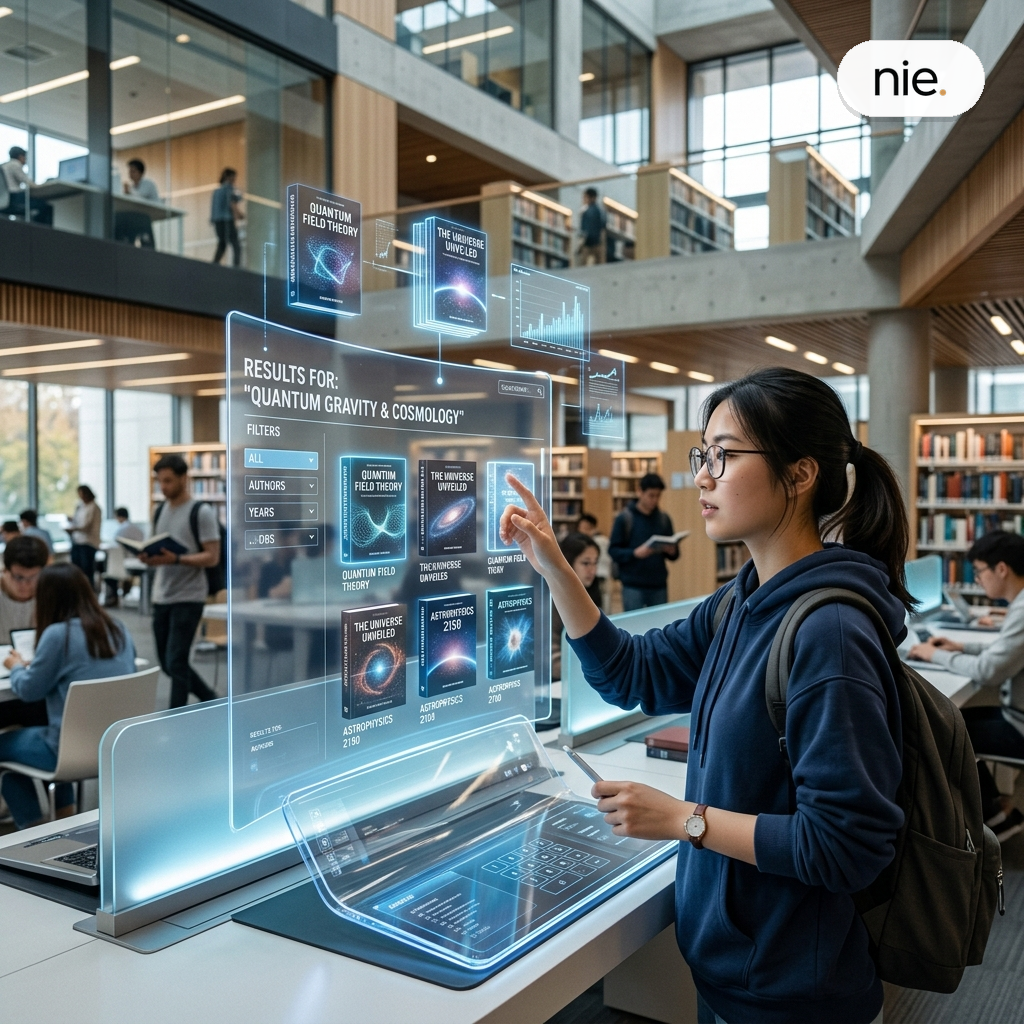
Cơ chế tích hợp AI vào môn Lịch sử và Địa lý không nằm ở việc nhúng một chatbot vào góc màn hình. Nó phải là một hệ thống RAG (Retrieval-Augmented Generation) được huấn luyện trên kho tài liệu đã qua thẩm định. Thay vì để AI tự truy vấn internet đầy rẫy thông tin sai lệch, website phải bắt buộc mô hình chỉ lấy dữ liệu từ cơ sở tri thức cục bộ của nhà trường. Khi học sinh đặt câu hỏi về một trận đánh trong lịch sử, AI không được “sáng tạo” thêm tình tiết mà phải phân tích dựa trên sơ đồ chiến thuật và diễn biến đã được các chuyên gia lịch sử xác thực. Tương tự, với địa lý, việc tích hợp các API bản đồ kết hợp với khả năng phân tích dữ liệu thời gian thực giúp chuyển đổi các khái niệm trừu tượng thành trải nghiệm trực quan sống động.
Giá trị thực tiễn so với mô hình truyền thống
| Tiêu chí | Phương pháp truyền thống | Tích hợp Website AI |
|---|---|---|
| Phản hồi học tập | Chờ đợi giáo viên chấm điểm | Phản hồi tức thì, chỉ rõ lỗi sai |
| Khả năng cá nhân hóa | Giáo án đồng nhất cho cả lớp | Lộ trình riêng biệt theo năng lực |
| Mức độ tương tác | Ghi chép và ghi nhớ máy móc | Đối thoại phản biện với dữ liệu |
Xây dựng kho dữ liệu tri thức chuyên sâu (Vector Database).
Thiết lập bộ lọc định hướng câu trả lời cho mô hình AI.
Tích hợp giao diện đàm thoại mô phỏng nhân vật lịch sử.
Thách thức thực tế và rào cản triển khai
Đầu tư vào AI không phải cuộc dạo chơi ít tốn kém. Chi phí vận hành API, phí hạ tầng server và gánh nặng bảo trì dữ liệu là rào cản khiến nhiều đơn vị giáo dục từ bỏ giữa chừng. Thêm vào đó, vấn đề bảo mật dữ liệu học sinh là một “cái bẫy” pháp lý nếu không được kiểm soát chặt chẽ. Đừng để hệ thống trở thành nơi thu thập dữ liệu trái phép. Một sai lầm khác là kỳ vọng AI sẽ thay thế giáo viên. Hoàn toàn sai. AI chỉ là công cụ hỗ trợ người thầy trong việc cá nhân hóa lộ trình học, còn việc giáo dục đạo đức và định hướng tư duy cần sự can thiệp của con người. Giải pháp là bắt đầu từ các mô hình nhỏ, tập trung vào một phân môn cụ thể thay vì tham vọng xây dựng hệ thống khổng lồ ngay từ đầu.
Giải đáp thắc mắc thường gặp
Dữ liệu của học sinh có bị sử dụng để huấn luyện AI công cộng không?
Nếu bạn triển khai đúng cách, toàn bộ dữ liệu sẽ được lưu trữ trong môi trường private cloud hoặc thông qua các API chuyên dụng có cam kết không dùng dữ liệu người dùng để học máy. Quyền riêng tư phải là ưu tiên hàng đầu ngay từ bước lập trình đầu tiên.
AI có thể thay thế hoàn toàn giáo viên môn Địa lý không?
Không. AI có thể cung cấp số liệu, mô phỏng khí hậu hoặc phân tích bản đồ, nhưng nó thiếu trải nghiệm thực tế và khả năng truyền cảm hứng. Vai trò của người thầy sẽ dịch chuyển từ người cung cấp kiến thức sang người điều phối, khai phá sự tò mò của học sinh.
Chi phí duy trì hệ thống có quá cao so với ngân sách nhà trường?
Chi phí phụ thuộc vào độ phức tạp của mô hình. Tuy nhiên, nếu tối ưu bằng cách sử dụng các mô hình nguồn mở hoặc các giải pháp API tiết kiệm, mức đầu tư hoàn toàn nằm trong tầm kiểm soát. Bài toán ở đây là hiệu quả sử dụng thay vì chi phí ban đầu.
Kết luận
Tích hợp AI vào website Lịch sử và Địa lý là bước đi tất yếu để làm mới những kiến thức tưởng chừng đã cũ kỹ. Dẫu vậy, công nghệ chỉ là phương tiện; tư duy của người quản trị và khả năng kiểm soát chất lượng nội dung mới là yếu tố quyết định. Nếu bạn đang tìm kiếm sự hỗ trợ chuyên sâu trong việc xây dựng hệ thống giáo dục trực tuyến, NIE.vn từ Hộ kinh doanh Nguyễn Thông cung cấp các dịch vụ thiết kế website chuẩn SEO và giải pháp E-learning bài bản, giúp hiện thực hóa ý tưởng của bạn một cách an toàn và bền vững. Đừng để công nghệ là nỗi lo, hãy để nó trở thành cộng sự.
2. English Version
History and Geography have long been confined to dusty, static textbooks, where students struggle to memorize endless dates or geographic coordinates without ever grasping the causal connections between them. Monotonous classroom lectures have gradually eroded the natural curiosity of young minds. When educators attempt to impart the lessons of the past through mere rote memorization of figures, the vital link between the learner and the knowledge is severed. An AI-powered website for History and Geography is far more than a digital repository for documents. It must function as an interpretative engine—a platform where data acts as an active, responsive entity rather than waiting idly for a user to query it.
Current trends in educational platforms reveal a fatal flaw: developers are often too preoccupied with aesthetic UI design, neglecting the critical reasoning capabilities of language models. If an AI merely regurgitates content already found in a textbook, its value is negligible. The pressing question remains: are we genuinely fostering critical thinking, or are we simply creating a tool that encourages intellectual laziness? This skepticism is well-founded, as Large Language Models (LLMs) are notorious for “hallucinations”—confidently presenting fabricated historical “facts” as objective truths. Integrating technology effectively demands a rigorous approach to data validation. It requires much more than just clean code; it requires pedagogical integrity.
The Core Essence of Intelligent Learning Systems
The true power of integrating AI into History and Geography does not lie in embedding a generic chatbot in the corner of a screen. Instead, it requires a Retrieval-Augmented Generation (RAG) framework, meticulously trained on vetted, academic-grade datasets. Rather than allowing the AI to wander the internet—a breeding ground for misinformation—the system must be strictly constrained to draw insights exclusively from a curated local knowledge base. When a student asks about a historical battle, the AI should not “creatively embellish” events; it must synthesize its answer based on verified tactical maps and historically accepted chronologies. Similarly, in Geography, integrating real-time map APIs with advanced data analysis transforms abstract concepts into vivid, interactive, and deeply intuitive learning experiences.
Practical Value vs. Traditional Models
| Criteria | Traditional Methods | AI-Integrated Website |
|---|---|---|
| Learning Feedback | Waiting for teacher grading | Instant, actionable insights |
| Personalization | One-size-fits-all curriculum | Adaptive paths based on proficiency |
| Interaction Level | Passive rote memorization | Critical dialogue with data |
Develop a specialized knowledge repository (Vector Database).
Implement a strictly controlled response filter for the AI model.
Integrate an interactive interface that simulates historical figure scenarios.
Real-world Challenges and Implementation Hurdles
Investing in AI is no walk in the park. The costs associated with API consumption, server infrastructure, and ongoing data maintenance often cause educational institutions to abandon projects mid-development. Furthermore, student data privacy remains a legal minefield that requires stringent oversight. We must ensure the system does not become a conduit for unauthorized data collection. Another common pitfall is the misguided expectation that AI will eventually replace human teachers. This is fundamentally incorrect. AI serves as a powerful assistant—a tool for teachers to customize learning paths—while ethical guidance, emotional support, and cognitive inspiration will always require the human touch. The most effective strategy is to start small, focusing on a specific subject module rather than ambitious, monolithic system builds from day one.
Frequently Asked Questions
Is student data used to train public AI models?
If implemented correctly, all sensitive data is stored within a private cloud environment or managed via dedicated APIs that explicitly prohibit the use of user data for machine learning training. Privacy must be prioritized during the foundational architectural design phase.
Can AI completely replace a Geography teacher?
Absolutely not. While AI excels at providing raw data, climate simulations, or complex map analysis, it lacks authentic real-world experience and the capacity to spark genuine passion. The teacher’s role will evolve from a knowledge provider to an orchestrator of curiosity and a facilitator of deeper inquiry.
Is the maintenance cost too high for school budgets?
Costs vary significantly based on model complexity. However, by optimizing the stack using open-source models or cost-effective API solutions, total investment can be kept well within reasonable bounds. The focus should be on the return on investment through improved learning outcomes rather than just the initial capital expenditure.
Conclusion
Integrating AI into History and Geography platforms is an inevitable step toward modernizing curriculum that often feels archaic. However, technology is merely a medium; the strategic vision of administrators and the meticulous quality control of content are the true determinants of success. If you are seeking professional guidance in building an educational system, NIE.vn, operated by Nguyen Thong Business, offers specialized SEO-optimized website design and comprehensive E-learning solutions. We help transform your vision into a safe, sustainable, and scalable reality. Stop worrying about the complexities of technology—let it become your most valuable partner in education.
3. 中文版
历史与地理学科长期以来被束缚在枯燥乏味的教科书中,学生们被迫死记硬背成堆的年代与地理坐标,却无法理解这些知识背后的因果逻辑。单调的课堂讲解正在磨灭孩子们的求知欲。当教师试图仅仅通过数字来传达历史的厚度时,学习者与知识之间的连接早已断裂。一个历史与地理学科的AI门户网站,绝不仅仅是教学文档的数字化堆砌。它必须是一个能够进行深度解读的“智能引擎”,让数据不再只是沉睡的字符,而是能够主动回应探索者疑问的知识库。
当前教育平台的部署现状揭示了一个致命的误区:开发商过于追求华丽的界面,却忽略了语言模型(LLM)的逻辑推演能力。如果AI只能复述教科书上的陈旧内容,那么它的存在将毫无价值。我们不禁要问:我们究竟是在辅助学生进行深度思考,还是在创造一个助长“思维懒惰”的工具?这种质疑并非空穴来风,算法模型频繁出现的“幻觉(Hallucinations)”问题,使其能够极其自然地捏造虚假的历史事实。技术集成需要对输入数据保持高度的严谨性,这远不止是简单的程序开发,更是一场关于知识质量的严苛把关。
智能学习系统的核心本质
将AI整合进历史与地理教学,绝非是在屏幕一角嵌入一个聊天机器人那么简单。它必须是一个经过权威文档审定与训练的RAG(检索增强生成)系统。网站应当强制要求模型仅从学校内部的本地知识库中提取数据,而非任由AI去抓取互联网上充斥的错误信息。当学生询问某场历史战役时,AI不得随意“创作”情节,而必须基于经历史专家审核的战术图解与演进过程进行分析。同样,在地理教学中,将地图API与实时数据分析能力相结合,能够将抽象的概念转化为生动直观的交互式体验,让地理不再遥不可及。
实际价值与传统模式的对比
| 衡量指标 | 传统教学方法 | AI集成网站系统 |
|---|---|---|
| 学习反馈 | 被动等待教师批改 | 即时反馈,精准指出错误 |
| 个性化潜力 | 全班统一的教学大纲 | 基于能力的定制化学习路径 |
| 互动深度 | 机械式记录与记忆 | 与数据进行批判性对话 |
构建深度知识数据库(向量数据库)。
设立AI模型回答导向的过滤机制。
集成模拟历史人物的对话交互界面。
现实挑战与落地壁垒
投资AI绝非一场廉价的散步。API运营成本、服务器基础设施费用以及数据维护负担,是许多教育机构中途放弃的主要障碍。此外,学生数据安全是一个如果不加严控便会坠入的“法律陷阱”。切勿让系统沦为非法收集数据的温床。另一个常见的误区是期望AI完全取代教师。这是大错特错的。AI仅仅是辅助教师实现个性化路径规划的工具,而道德教育与思维引导仍需人类的深度干预。解决方案在于“小步快跑”,先从某个具体细分科目入手,而非一开始就野心勃勃地试图构建庞大的系统架构。
常见问题解答
学生的数据会被用于公共AI模型训练吗?
如果部署得当,所有数据都将存储在私有云(Private Cloud)环境中,或通过承诺不使用用户数据进行机器学习的专业API接口处理。隐私保护必须是编程伊始的首要优先级。
AI可以完全取代地理教师吗?
不能。AI可以提供数据、气候模拟或地图分析,但它缺乏现实的感官经验与启发灵感的能力。教师的角色将从单纯的知识传递者转变为学习过程的调度者,负责激发学生的好奇心与探索动力。
系统维护成本是否会超出学校的预算范围?
这取决于模型架构的复杂程度。通过优化使用开源模型或具有高性价比的API解决方案,投资水平是完全可控的。我们应该聚焦于使用效率而非初始投入成本。
结语
将AI融入历史与地理网站是革新陈旧知识体系的必然选择。然而,技术终究只是手段,管理者的思维方式与对内容质量的把控能力才是决定性的核心。如果您正在寻求构建在线教育系统的专业支持,NIE.vn(隶属于Nguyen Thong个体经营户)提供专业的SEO标准网站设计与系统化E-learning解决方案,旨在帮助您安全、可持续地将创新理念落地。不要让技术成为负担,让它成为您教学相长中最得力的伙伴。
🤖 Đội Ngũ AI Tự Hành 24/7
Tự động hóa quy trình nghiệp vụ, cào dữ liệu, xử lý tài liệu và đối soát báo cáo liên tục không ngừng nghỉ.
✍️ AI Sáng Tạo Nội Dung
Tự động viết bài chuẩn SEO, thiết kế Infographic và phân phối đa kênh lên Website, Facebook Fanpage.
🔗 Kết Nối n8n & Webhooks
Tích hợp liền mạch với Google Workspace, CRM, Zalo OA, Telegram và hệ thống cơ sở dữ liệu doanh nghiệp.
🧠 Đa Mô Hình AI Tiên Tiến
Ứng dụng linh hoạt Google Gemini Pro, OpenAI GPT, Claude 3.5 và các mô hình mã nguồn mở DeepSeek/Ollama.
🎓 Khóa Học AI Thực Chiến
Chương trình đào tạo từ cơ bản đến nâng cao: Làm chủ AI Agents, Prompt Engineering và Tự động hóa 0đ chi phí.
💎 Tài Khoản AI Doanh Nghiệp
Cung cấp gói tài khoản Google One 2TB, Gemini Advanced, ChatGPT Plus bản quyền giá ưu đãi.
🏢 Đơn Vị Pháp Lý Rõ Ràng
HỘ KINH DOANH CÔNG NGHỆ VÀ GIÁO DỤC NGUYỄN THÔNG (MST: 6000861747-001). Cung cấp hóa đơn và hợp đồng đầy đủ.
🔒 Bảo Mật Dữ Liệu Khách Hàng
Tuân thủ nghiêm ngặt Nghị định 13/2023/NĐ-CP về bảo vệ dữ liệu cá nhân và bí mật kinh doanh của khách hàng.