

1. Phiên bản Tiếng Việt
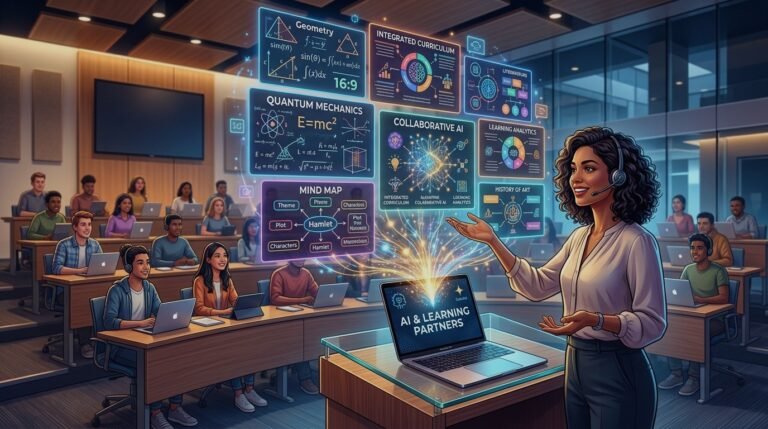
Trong kỷ nguyên số hóa toàn cầu, giáo dục không còn nằm trong biên giới của những bảng đen phấn trắng hay các quy trình quản trị giấy tờ truyền thống. Chuyển đổi số văn hóa nhà trường đã trở thành một mệnh lệnh chiến lược, không chỉ dừng lại ở việc cập nhật công nghệ mà còn là quá trình tái cấu trúc sâu sắc tư duy, cách thức vận hành và sự tương tác giữa các chủ thể trong môi trường sư phạm. Khi các công cụ kỹ thuật số được tích hợp vào mọi ngóc ngách của nhà trường, nó tạo ra một làn sóng thay đổi mạnh mẽ, định hình lại văn hóa tổ chức từ tư duy khép kín sang mở, từ quản trị tập trung sang dữ liệu hóa, và từ thụ động sang sáng tạo chủ động.
Thực trạng cho thấy, nhiều cơ sở giáo dục hiện nay vẫn đang loay hoay với việc “số hóa” bề nổi nhưng bỏ quên “văn hóa số” cốt lõi. Sự đứt gãy giữa việc đầu tư hạ tầng hiện đại và sự thiếu hụt kỹ năng cũng như tâm thế đón nhận công nghệ của đội ngũ cán bộ, giáo viên chính là rào cản lớn nhất. Bài viết này sẽ phân tích chuyên sâu về sự tác động đa chiều của chuyển đổi số đến các giá trị cốt lõi, niềm tin và hành vi ứng xử trong văn hóa nhà trường, đồng thời đề xuất những giải pháp thực tiễn để xây dựng một hệ sinh thái giáo dục số bền vững.
Phân tích khái niệm và cơ chế cốt lõi
Để hiểu rõ về chuyển đổi số văn hóa nhà trường, chúng ta cần phân tách giữa “số hóa” (digitization) và “chuyển đổi số” (digital transformation). Số hóa chỉ là việc chuyển các quy trình sang nền tảng kỹ thuật số, trong khi chuyển đổi số là sự thay đổi mô hình hoạt động dựa trên khả năng khai thác dữ liệu để tạo ra giá trị mới.
Cơ chế cốt lõi của sự thay đổi này vận hành thông qua ba trụ cột:
- Sự minh bạch hóa dữ liệu: Mọi hoạt động dạy học, điểm số, quản lý hành chính đều được đưa lên hệ thống, loại bỏ tình trạng bất đối xứng thông tin giữa giáo viên, học sinh và phụ huynh.
- Phân quyền và cộng tác số: Các nền tảng cộng tác trực tuyến phá vỡ hệ thống phân cấp cứng nhắc, cho phép giáo viên tham gia sâu hơn vào quá trình hoạch định chính sách nhà trường.
- Tư duy dựa trên dữ liệu (Data-driven culture): Quyết định trong quản lý nhà trường không còn dựa trên kinh nghiệm hay cảm tính, mà dựa trên các chỉ số hiệu năng (KPI) đo lường thực tế từ hệ thống LMS, ERP.
Lợi ích vượt trội và Giá trị thực tế mang lại
Việc chuyển đổi số thành công sẽ kiến tạo một văn hóa nhà trường năng động, thích ứng và tập trung vào trải nghiệm người dùng. Dưới đây là bảng so sánh sự chuyển dịch giữa mô hình truyền thống và mô hình số hóa:
| Tiêu chí | Văn hóa truyền thống | Văn hóa chuyển đổi số |
|---|---|---|
| Giao tiếp | Thông báo văn bản, họp trực tiếp | Tức thì qua nền tảng Cloud, thời gian thực |
| Học tập | Tập trung tại lớp, giáo trình cố định | Hybrid (trực tiếp – trực tuyến), cá nhân hóa |
| Quản trị | Dựa trên báo cáo giấy, thủ công | Dựa trên dữ liệu thời gian thực (Dashboard) |
| Tương tác | Chiều dọc (Trên xuống dưới) | Mạng lưới (Đa chiều, cộng hưởng) |
Thúc đẩy tinh thần học tập suốt đời
Chuyển đổi số xóa bỏ giới hạn về không gian và thời gian. Khi công nghệ trở thành một phần của văn hóa, giáo viên và học sinh được khuyến khích liên tục cập nhật kỹ năng mới thông qua các khóa học trực tuyến (MOOCs), tạo ra tâm thế sẵn sàng học hỏi thay vì áp lực thi cử thuần túy.
Tối ưu hóa sự gắn kết cộng đồng
Các hệ thống thông tin liên lạc (App trường học, Email giáo dục) tạo điều kiện để phụ huynh tham gia sâu hơn vào tiến trình giáo dục, tạo ra một văn hóa nhà trường có sự thấu hiểu và sẻ chia từ cả ba phía: Gia đình – Nhà trường – Xã hội.
Thách thức, Rủi ro và Giải pháp tối ưu
Bên cạnh những lợi ích, quá trình chuyển đổi số văn hóa nhà trường cũng đối mặt với những “cơn đau đầu” trong quản trị:
- Sự kháng cự thay đổi: Đây là thách thức lớn nhất. Những giáo viên lâu năm thường cảm thấy bất an khi phải từ bỏ các phương pháp truyền thống. Giải pháp: Cần có lộ trình chuyển đổi từng bước, ưu tiên đào tạo kỹ năng số và tạo ra các “đại sứ công nghệ” trong đội ngũ sư phạm.
- Rủi ro về bảo mật thông tin: Việc tập trung dữ liệu lên mây đòi hỏi chuẩn mực cao về bảo mật. Giải pháp: Đầu tư hạ tầng phần mềm bản quyền có khả năng mã hóa dữ liệu cao cấp, đảm bảo quyền riêng tư cho người học.
- Khoảng cách số (Digital Divide): Sự chênh lệch về khả năng tiếp cận công nghệ giữa các nhóm học sinh. Giải pháp: Xây dựng các chính sách hỗ trợ thiết bị và phổ cập kỹ năng số cho những học sinh có hoàn cảnh khó khăn.
Xu hướng tương lai trong 3-5 năm tới
Trong tương lai gần, văn hóa nhà trường sẽ được định hình bởi hai làn sóng công nghệ chủ đạo:
- Trí tuệ nhân tạo (AI) trong quản trị lớp học: AI sẽ không thay thế giáo viên, nhưng sẽ đóng vai trò là trợ lý ảo, phân tích phong cách học tập của từng học sinh để đề xuất phương pháp giảng dạy tối ưu.
- Văn hóa dựa trên lòng tin kỹ thuật số (Digital Trust): Với sự hỗ trợ của Blockchain, hồ sơ học tập và chứng chỉ sẽ được xác thực minh bạch, tạo ra văn hóa liêm chính trong học thuật.
Câu hỏi thường gặp (FAQ)
1. Làm thế nào để bắt đầu quá trình chuyển đổi số văn hóa nhà trường mà không gây xáo trộn?
Chìa khóa nằm ở “quản trị sự thay đổi”. Hãy bắt đầu bằng việc thay đổi từ những quy trình nhỏ nhất như điểm danh, báo cáo tuần, sau đó dần dần mở rộng sang số hóa tài liệu học tập và tương tác trực tuyến. Hãy luôn lắng nghe ý kiến phản hồi của giáo viên và học sinh trong suốt lộ trình.
2. Chuyển đổi số có làm mất đi giá trị nhân văn trong giáo dục không?
Hoàn toàn không. Mục tiêu của công nghệ là giải phóng con người khỏi các công việc hành chính máy móc, giúp giáo viên có thêm “thời gian vàng” để chăm sóc sức khỏe tinh thần và định hướng nhân cách cho học sinh – nơi mà máy móc không bao giờ thay thế được con người.
3. Vai trò của người quản lý nhà trường là gì trong quá trình này?
Người quản lý không chỉ là người mua sắm công nghệ, mà phải là người truyền cảm hứng. Họ cần xây dựng một văn hóa cởi mở, chấp nhận rủi ro và khuyến khích thử nghiệm cái mới trong giáo dục.
Kết luận và Định hướng phát triển
Tóm lại, chuyển đổi số văn hóa nhà trường không đơn thuần là một dự án công nghệ, mà là một cuộc “cách mạng về tư duy”. Một tổ chức nhà trường hiện đại là tổ chức biết sử dụng công nghệ để nâng cao giá trị con người. Để làm được điều đó, các trường học cần những đối tác công nghệ có chuyên môn sâu, hiểu rõ đặc thù ngành giáo dục.
Tại NIE.vn (trực thuộc Hộ kinh doanh Công nghệ và Giáo dục Nguyễn Thông), chúng tôi thấu hiểu những thách thức mà các cơ sở giáo dục đang đối mặt. Với kinh nghiệm dày dặn trong việc thiết kế website chuẩn SEO cho giáo dục, cung cấp các phần mềm quản lý bản quyền, giải pháp E-learning chuyên nghiệp và các chiến lược số hóa toàn diện, NIE.vn cam kết đồng hành cùng nhà trường trong lộ trình chuyển đổi văn hóa số bền vững. Hãy liên hệ với chúng tôi để bắt đầu kiến tạo nên một môi trường giáo dục tương lai, nơi công nghệ và nhân văn song hành phát triển.
2. English Version
In the global era of digitization, education is no longer confined by blackboards and chalk or traditional administrative paper-based processes. Digital transformation in school culture has become a strategic imperative, transcending the mere updating of technology to involve the deep restructuring of mindsets, operational methods, and interactions among stakeholders in the pedagogical environment. As digital tools are integrated into every corner of the institution, they trigger a powerful wave of change, reshaping organizational culture from a closed to an open mindset, from centralized to data-driven management, and from passive to proactive creative behavior.
In reality, many educational institutions today are still struggling with “digitization” on the surface while overlooking the core “digital culture.” The disconnect between investing in modern infrastructure and the lack of digital skills—as well as the willingness of staff and teachers to embrace technology—remains the greatest barrier. This article provides an in-depth analysis of the multi-dimensional impact of digital transformation on core values, beliefs, and behavioral norms in school culture, while proposing practical solutions to build a sustainable digital education ecosystem.
Core Concepts and Mechanics
To understand digital transformation in school culture, we must distinguish between “digitization” and “digital transformation.” Digitization is simply moving processes to digital platforms, whereas digital transformation is the change in the operating model based on the ability to leverage data to create new value.
The core mechanism of this change operates through three pillars:
- Data Transparency: All teaching activities, grades, and administrative management are uploaded to a unified system, eliminating information asymmetry between teachers, students, and parents.
- Digital Decentralization and Collaboration: Online collaboration platforms break down rigid hierarchical systems, allowing teachers to engage more deeply in school policy planning.
- Data-driven Culture: Management decisions are no longer based on experience or intuition but on real-time performance indicators (KPIs) measured by LMS and ERP systems.
Key Benefits and Real-world Value
Successful digital transformation creates a dynamic, adaptable school culture focused on user experience. The following table compares the shift between traditional and digitalized models:
| Criteria | Traditional Culture | Digital Transformation Culture |
|---|---|---|
| Communication | Paper notices, in-person meetings | Instantaneous via Cloud, real-time |
| Learning | Classroom-based, fixed curriculum | Hybrid (In-person/Online), personalized |
| Management | Manual paper-based reporting | Data-driven (Dashboards) |
| Interaction | Vertical (Top-down) | Networked (Multi-directional) |
Promoting Lifelong Learning
Digital transformation removes spatial and temporal barriers. When technology becomes part of the culture, teachers and students are encouraged to continuously update new skills through MOOCs, fostering a mindset of lifelong learning rather than just exam-driven pressure.
Optimizing Community Engagement
Information communication systems (school apps, educational emails) enable parents to participate deeply in the educational process, creating a school culture characterized by understanding and sharing among all three parties: Family – School – Society.
Challenges, Risks, and Best Practices
Despite the benefits, the process of digital transformation in school culture faces significant management challenges:
- Resistance to Change: This is the greatest challenge. Senior teachers often feel insecure when leaving behind traditional methods. Best Practice: Implement a phased transformation, prioritize digital skills training, and foster “technology ambassadors” among the staff.
- Information Security Risks: Centralizing data in the cloud requires high standards of security. Best Practice: Invest in licensed software with high-level data encryption to ensure learner privacy.
- The Digital Divide: Disparities in technology access among student groups. Best Practice: Develop policies to support devices and promote digital literacy for disadvantaged students.
Future Trends (Next 3-5 Years)
In the near future, school culture will be shaped by two major technological waves:
- Artificial Intelligence (AI) in Classroom Management: AI will act as a virtual assistant, analyzing individual student learning styles to suggest optimal teaching methods, rather than replacing teachers.
- Digital Trust-based Culture: With the support of Blockchain, academic records and certificates will be verified transparently, creating a culture of academic integrity.
Frequently Asked Questions (FAQ)
1. How to begin the digital transformation of school culture without causing disruption?
The key is “change management.” Start by changing the smallest processes, such as attendance or weekly reporting, then gradually expand to digitizing learning materials and online interactions. Always listen to feedback from teachers and students throughout the process.
2. Does digital transformation diminish the humanistic values in education?
Absolutely not. The goal of technology is to liberate humans from mechanical administrative tasks, giving teachers more “golden time” to focus on the mental health and character development of students—areas where machines can never replace humans.
3. What is the role of school leaders in this process?
School leaders are not just purchasers of technology; they must be sources of inspiration. They need to build an open culture that accepts risks and encourages experimentation with new educational approaches.
Conclusion and Call to Action
In conclusion, digital transformation in school culture is not merely a technology project; it is a “mindset revolution.” A modern school is one that knows how to use technology to enhance human value. To achieve this, schools need technology partners with deep expertise who understand the specific characteristics of the education sector.
At NIE.vn (a subsidiary of Nguyen Thong Technology and Education), we understand the challenges educational institutions face. With extensive experience in designing SEO-optimized websites for education, providing licensed management software, professional E-learning solutions, and comprehensive digitization strategies, NIE.vn is committed to accompanying schools on their sustainable digital cultural transformation journey. Contact us to start creating an educational environment where technology and humanity develop hand-in-hand.
2. English Version
In this era of global digitalization, education is no longer confined by the physical boundaries of blackboards, chalk, or traditional paper-based administrative procedures. Digital transformation in school culture has evolved into a strategic imperative—a mandate that extends far beyond the mere adoption of new hardware or software. It represents a profound restructuring of institutional mindsets, operational methodologies, and the interpersonal dynamics between stakeholders within the pedagogical ecosystem. As digital tools are seamlessly integrated into every facet of the school environment, they trigger a powerful wave of organizational change, shifting the institutional paradigm from a closed, siloed mentality to an open, collaborative framework, and transitioning from traditional, centralized administration to dynamic, data-driven, and proactive creative engagement.
In reality, many educational institutions currently find themselves trapped in a cycle of “digitization” on the surface level, while neglecting the cultivation of a robust “digital culture” at their core. The disconnect between heavy investment in modern IT infrastructure and the pervasive lack of digital literacy—combined with a stagnant mindset among staff and faculty regarding technology adoption—remains the single greatest barrier to success. This article provides an in-depth analysis of the multi-dimensional impact that digital transformation exerts on the core values, belief systems, and behavioral patterns within school culture, while simultaneously proposing actionable, practical solutions for establishing a sustainable, future-proof digital education ecosystem.
Decoding the Concepts and Core Mechanisms
To truly comprehend the essence of digital transformation in school culture, it is vital to distinguish between “digitization” and “digital transformation.” Digitization is essentially the migration of existing processes onto digital platforms, whereas digital transformation represents a fundamental shift in the operational model—leveraging data-driven insights to innovate and generate entirely new forms of institutional value.
The core mechanism of this transformation operates through three foundational pillars:
- Data Transparency: By centralizing teaching activities, grading, and administrative management onto unified platforms, schools can eliminate the chronic issue of information asymmetry between teachers, students, and parents, fostering a climate of trust.
- Digital Decentralization and Collaborative Synergy: Modern digital collaboration tools dismantle rigid, top-down hierarchical structures, empowering teachers and staff to engage more meaningfully and directly in the school’s strategic policy planning.
- A Data-Driven Culture: Management decisions are no longer anchored in subjective experience or administrative intuition. Instead, they are precision-guided by real-time Key Performance Indicators (KPIs) harvested from integrated Learning Management Systems (LMS) and Enterprise Resource Planning (ERP) tools.
Unlocking Superior Benefits and Tangible Value
A successful digital transformation effort yields a vibrant, highly adaptable school culture that prioritizes user experience at every touchpoint. The following table illustrates the shift between traditional models and those fully engaged in digital transformation:
| Criteria | Traditional School Culture | Digital Transformation Culture |
|---|---|---|
| Communication | Paper-based notices, in-person meetings | Instantaneous cloud-based, real-time collaboration |
| Learning | Classroom-centric, rigid curriculum | Hybrid (In-person/Online), highly personalized |
| Management | Manual, paper-heavy reporting | Data-driven actionable insights (Dashboards) |
| Interaction | Vertical (Top-down directive) | Networked (Multi-directional, collaborative) |
Fostering a Culture of Lifelong Learning
Digital transformation effectively dismantles the physical and temporal barriers inherent in traditional education. When technology becomes deeply embedded in the school culture, both teachers and students are empowered and encouraged to continuously upgrade their skills through Massive Open Online Courses (MOOCs). This shift fosters a growth mindset, prioritizing intellectual curiosity and lifelong learning over the stifling pressure of conventional, exam-oriented assessments.
Optimizing Community Connectivity
Integrated information systems—such as dedicated school applications and educational communication portals—facilitate deeper involvement from parents in the educational journey. This creates a cohesive school culture characterized by shared responsibility, transparent communication, and mutual understanding among the three pillars of education: the Family, the School, and the wider Society.
Addressing Challenges, Mitigating Risks, and Implementing Best Practices
Despite the immense advantages, the journey toward digital transformation in school culture is fraught with significant management-level hurdles:
- Resistance to Change: This remains the most significant obstacle. Long-tenured faculty often experience anxiety when required to abandon familiar, traditional teaching methodologies. Best Practice: Adopt a phased, step-by-step transformation roadmap. Prioritize comprehensive digital skills training and identify “technology ambassadors” within the staff to champion innovation through peer-to-peer influence.
- Information Security Risks: Centralizing sensitive data in the cloud necessitates stringent security standards. Best Practice: Invest exclusively in licensed, enterprise-grade software that incorporates high-level data encryption protocols, ensuring full regulatory compliance and learner privacy.
- The Digital Divide: Socio-economic disparities can create an uneven playing field regarding technology access. Best Practice: Develop inclusive institutional policies that provide hardware support and targeted digital literacy programs for students from disadvantaged backgrounds.
Future Trends: The Horizon (Next 3-5 Years)
Over the next few years, school culture will be redefined by two dominant technological waves:
- Artificial Intelligence (AI) in Classroom Management: AI will not replace the teacher; instead, it will act as a sophisticated virtual assistant. It will analyze individual learning patterns to suggest customized, optimized teaching strategies for each student.
- A Culture of Digital Trust: Supported by Blockchain technology, academic transcripts, credentials, and achievements will be verified with complete transparency, fundamentally establishing a new standard of academic integrity and institutional credibility.
Frequently Asked Questions (FAQ)
1. How can we initiate a digital transformation of school culture without causing operational chaos?
The secret lies in “change management.” Begin by digitizing the smallest, most repetitive processes—such as attendance tracking or weekly reporting—before gradually expanding toward digitized learning materials and virtual collaborative spaces. Consistent, open communication and active listening to feedback from both teachers and students throughout the process is essential.
2. Will digital transformation dilute the humanistic essence of education?
On the contrary. The fundamental purpose of technology is to liberate educators from mechanical, time-consuming administrative burdens. This grants teachers the “golden time” to focus on the emotional well-being, mentorship, and character development of students—human-centric aspects where no machine can ever serve as a substitute for a teacher.
3. What is the essential role of school leaders during this transition?
School leaders are more than just technology procurement managers; they must be catalysts for vision and inspiration. They are responsible for architecting an open culture that embraces managed risk, encourages pedagogical experimentation, and supports the constant pursuit of innovation.
Conclusion and Future Direction
In summary, digital transformation in school culture is far from being a simple technology upgrade project; it is, in every sense, a “mindset revolution.” A truly modern educational institution is one that recognizes technology as an enabler for elevating human potential and value. To successfully navigate this transition, schools require technology partners that possess both deep technical expertise and a profound understanding of the specific nuances of the education sector.
At NIE.vn (a subsidiary of Nguyen Thong Technology and Education), we possess an acute understanding of the multifaceted challenges that educational institutions face in the digital age. With our extensive experience in crafting SEO-optimized educational websites, providing secure and licensed management software, delivering professional E-learning solutions, and developing comprehensive, long-term digitization strategies, NIE.vn is committed to partnering with your institution throughout your sustainable digital transformation journey. Contact us today to begin building a future-forward educational environment where cutting-edge technology and human values grow hand-in-hand.
3. 中文版
在全球数字化时代,教育已不再局限于黑板粉笔或传统的纸质化管理流程。校园文化的数字化转型已成为一项战略指令,它不仅停留在技术层面的升级,更是一场深刻的变革,旨在重塑思维模式、运营方式以及教育环境中各主体之间的互动逻辑。随着数字工具渗透到校园的每一个角落,一股强大的变革浪潮正在形成,推动着组织文化从封闭转向开放、从集中化管理转向数据驱动、从被动执行转向主动创新。
现状表明,许多教育机构目前仍徘徊在表面化的“数字化”过程中,却忽视了核心的“数字文化”。在基础设施建设的投入与教职员工数字化技能及心态转变之间的脱节,是当前最大的阻碍。本文将深入分析数字化转型对校园文化中核心价值观、信仰及行为准则的多维影响,并提出构建可持续数字教育生态系统的实践解决方案。
核心概念分析与运作机制
要深入理解校园文化的数字化转型,我们必须明确“数字化”(Digitization)与“数字化转型”(Digital Transformation)的区别。数字化仅是将业务流程迁移至数字平台,而数字化转型则是基于数据挖掘能力创造新价值,从而实现运作模式的根本性转变。
这种变革的核心机制通过三大支柱运作:
- 数据透明化: 所有的教学活动、成绩录入及行政管理均上传至统一系统,消除了教师、学生与家长之间的信息不对称。
- 数字化授权与协作: 在线协作平台打破了僵化的层级制度,允许教师更深入地参与到学校政策制定的过程中。
- 数据驱动文化(Data-driven culture): 学校管理决策不再仅仅依赖于经验或主观直觉,而是基于LMS(学习管理系统)和ERP系统测算的实时绩效指标(KPI)。
显著优势与实际价值
成功的数字化转型将营造一种充满活力、适应性强且以用户体验为中心的校园文化。下表对比了传统模式与数字化模式之间的演变:
| 维度 | 传统文化 | 数字化转型文化 |
|---|---|---|
| 沟通方式 | 书面通知,线下会议 | 基于云平台,即时且实时 |
| 学习方式 | 课堂集中授课,教材固定 | 混合式(线下+线上),个性化定制 |
| 行政管理 | 纸质报告,手工处理 | 数据驱动,实时仪表盘(Dashboard) |
| 互动模式 | 垂直式(自上而下) | 网格化(多向互动,协同共鸣) |
推动终身学习精神
数字化转型消除了空间和时间的限制。当技术成为文化的一部分时,教师和学生会被鼓励通过在线开放课程(MOOCs)不断更新技能,从而营造出一种专注于自我提升而非仅仅追求应试压力的学习心态。
优化社区凝聚力
各类信息通信系统(校园App、教育邮件)为家长深入参与教育过程提供了便利,从而创建了一种由家庭、学校与社会三方共同理解与协作的校园文化。
挑战、风险与最佳实践
尽管益处良多,但校园文化的数字化转型在管理层面也面临着严峻的挑战:
- 变革阻力: 这是最大的挑战。资深教师在放弃传统方法时往往会感到不安。解决方案: 需要制定分阶段的转型路线图,优先进行数字化技能培训,并培养教师团队中的“技术大使”。
- 信息安全风险: 数据集中在云端对安全性提出了更高标准。解决方案: 投入具有高级数据加密能力的版权软件,确保学习者个人隐私不受侵害。
- 数字鸿沟(Digital Divide): 不同学生群体在技术获取能力上存在差距。解决方案: 建立设备支持政策,并为困难家庭的学生普及数字素养教育。
未来3-5年的发展趋势
在不久的将来,校园文化将由两大主要技术浪潮所塑造:
- 人工智能(AI)在课堂管理中的应用: AI不会取代教师,但将扮演虚拟助手的角色,分析每位学生的学习风格,并为教师推荐最优化的教学方案。
- 基于数字信任(Digital Trust)的文化: 在区块链技术的支持下,学习记录和证书的真实性将得到透明验证,从而在学术领域建立起崇尚诚信的文化。
常见问题解答(FAQ)
1. 如何在不造成动荡的情况下启动校园文化数字化转型?
关键在于“变革管理”。请从最基础的流程开始,例如考勤或周报录入,然后逐步扩展到教学资料的数字化和在线互动。在整个过程中,请务必倾听教师和学生的反馈意见。
2. 数字化转型会丧失教育中的人文价值吗?
绝不会。技术的目的在于将人类从机械化的行政工作中解放出来,从而让教师拥有更多的“黄金时间”去关注学生的心理健康和人格塑造——这正是机器永远无法取代人类的地方。
3. 学校管理者在这一过程中扮演什么角色?
管理者不仅是技术的采购者,更必须是激励者。他们需要营造一种开放的文化,鼓励承担风险,并在教育领域尝试创新的实践。
结论与发展导向
总而言之,校园文化的数字化转型不仅仅是一个技术项目,更是一场“思维革命”。现代化的学校能够利用技术提升人类的价值。要实现这一目标,学校需要具备深厚专业知识、深谙教育行业特性的技术合作伙伴。
在 NIE.vn(隶属于阮通科技有限公司与教育),我们深刻理解教育机构所面临的挑战。凭借在教育领域SEO建站、提供版权管理软件、专业E-learning解决方案及全面数字化战略方面的丰富经验,NIE.vn 致力于全程陪伴学校迈向可持续的数字文化转型之路。请联系我们,共同开启塑造未来教育环境的旅程,让技术与人文精神并驾齐驱,共同发展。
🤖 Đội Ngũ AI Tự Hành 24/7
Tự động hóa quy trình nghiệp vụ, cào dữ liệu, xử lý tài liệu và đối soát báo cáo liên tục không ngừng nghỉ.
✍️ AI Sáng Tạo Nội Dung
Tự động viết bài chuẩn SEO, thiết kế Infographic và phân phối đa kênh lên Website, Facebook Fanpage.
🔗 Kết Nối n8n & Webhooks
Tích hợp liền mạch với Google Workspace, CRM, Zalo OA, Telegram và hệ thống cơ sở dữ liệu doanh nghiệp.
🧠 Đa Mô Hình AI Tiên Tiến
Ứng dụng linh hoạt Google Gemini Pro, OpenAI GPT, Claude 3.5 và các mô hình mã nguồn mở DeepSeek/Ollama.
🎓 Khóa Học AI Thực Chiến
Chương trình đào tạo từ cơ bản đến nâng cao: Làm chủ AI Agents, Prompt Engineering và Tự động hóa 0đ chi phí.
💎 Tài Khoản AI Doanh Nghiệp
Cung cấp gói tài khoản Google One 2TB, Gemini Advanced, ChatGPT Plus bản quyền giá ưu đãi.
🏢 Đơn Vị Pháp Lý Rõ Ràng
HỘ KINH DOANH CÔNG NGHỆ VÀ GIÁO DỤC NGUYỄN THÔNG (MST: 6000861747-001). Cung cấp hóa đơn và hợp đồng đầy đủ.
🔒 Bảo Mật Dữ Liệu Khách Hàng
Tuân thủ nghiêm ngặt Nghị định 13/2023/NĐ-CP về bảo vệ dữ liệu cá nhân và bí mật kinh doanh của khách hàng.