
1. Phiên bản Tiếng Việt
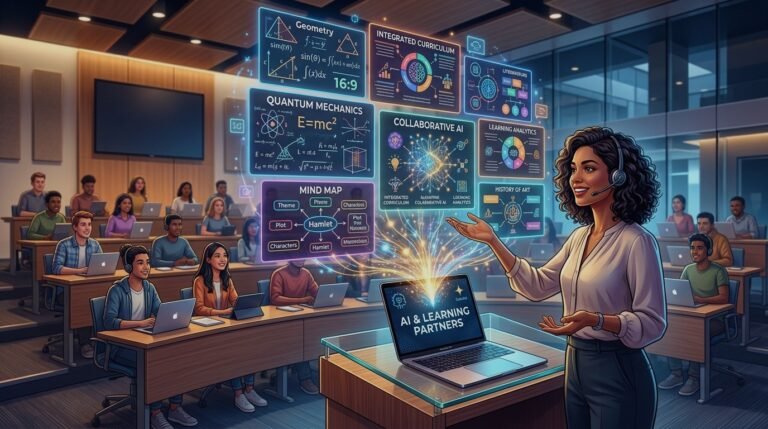
Trong kỷ nguyên chuyển đổi số giáo dục, việc chuyển dịch từ tài liệu học tập truyền thống sang sách giáo khoa điện tử tương tác (Interactive Digital Textbooks) không còn là một lựa chọn mang tính thời thượng mà đã trở thành yêu cầu cấp bách. Sự bùng nổ của trí tuệ nhân tạo (AI), công nghệ thực tế ảo tăng cường (AR/VR) và dữ liệu lớn (Big Data) đang đặt ra một tiêu chuẩn mới cho cách thức truyền tải tri thức. Sách giáo khoa không còn là những khối văn bản tĩnh trên giấy, mà đã trở thành những hệ sinh thái học tập sống động, nơi người học đóng vai trò trung tâm thông qua các hoạt động tương tác đa chiều.
Việc phát triển sách giáo khoa điện tử tương tác đòi hỏi sự kết hợp hài hòa giữa sư phạm học hiện đại và kỹ thuật công nghệ tiên tiến. Đây không đơn thuần là việc số hóa các trang sách (digitization) mà là quá trình tái cấu trúc nội dung (digitization transformation) để tối ưu hóa khả năng tiếp thu và tư duy phản biện của học sinh. Bài viết này sẽ đi sâu vào phân tích cơ chế vận hành, những giá trị cốt lõi, cũng như những thách thức trong quá trình triển khai thực tế nhằm định hình một tương lai giáo dục bền vững và thông minh hơn.
Phân tích khái niệm và cơ chế cốt lõi
Sách giáo khoa điện tử tương tác là một định dạng nội dung số được thiết kế để thay thế hoặc bổ trợ cho sách giáo khoa in ấn, với các đặc tính ưu việt như: tính linh hoạt, khả năng đa phương tiện (multimedia) và khả năng phản hồi tức thì. Khác với tệp PDF đơn thuần vốn chỉ là phiên bản số hóa của trang giấy, sách giáo khoa tương tác được xây dựng trên các nền tảng phần mềm chuyên biệt, cho phép tích hợp các yếu tố sau:
- Yếu tố đa phương tiện tích hợp: Bao gồm video mô phỏng, tệp âm thanh minh họa, sơ đồ tư duy động và các mô hình 3D cho phép học sinh xoay, phóng to để quan sát chi tiết.
- Hệ thống tương tác hai chiều: Học sinh có thể trực tiếp làm bài tập, nhận phản hồi ngay lập tức (instant feedback), và kiểm tra kết quả thông qua các câu đố (quiz) trắc nghiệm được nhúng trực tiếp trong chương học.
- Khả năng cá nhân hóa (Personalization): Thuật toán cho phép tùy chỉnh lộ trình học tập dựa trên tốc độ tiếp thu của từng cá nhân, tạo ra một môi trường học tập thích ứng (adaptive learning).
- Kết nối dữ liệu thời gian thực: Giáo viên có thể theo dõi tiến độ học tập, điểm yếu và điểm mạnh của từng học sinh thông qua bảng điều khiển (dashboard) chuyên dụng.
Lợi ích vượt trội và Giá trị thực tế mang lại
Việc đầu tư phát triển sách giáo khoa điện tử tương tác mang lại những lợi ích đột phá cho cả hệ thống giáo dục, bao gồm các chủ thể: học sinh, giáo viên và cơ sở quản lý giáo dục.
Bảng so sánh: Sách giáo khoa truyền thống vs. Sách giáo khoa điện tử tương tác
| Tiêu chí | Sách giáo khoa truyền thống | Sách giáo khoa điện tử tương tác |
|---|---|---|
| Nội dung | Tĩnh, cố định, văn bản và hình ảnh 2D | Động, đa phương tiện, cập nhật liên tục |
| Tương tác | Không có | Cao (Game hóa, mô phỏng 3D) |
| Phản hồi | Chậm (phải đợi giáo viên chấm) | Tức thì (hệ thống tự động chấm điểm) |
| Cá nhân hóa | Đồng loạt (One size fits all) | Dựa trên năng lực (Adaptive learning) |
Giá trị thực tế đối với người học
Học sinh không còn phải “đọc” tri thức một cách thụ động mà được “trải nghiệm” tri thức. Chẳng hạn, trong môn Sinh học, thay vì nhìn hình ảnh mô tả hệ tuần hoàn, học sinh có thể tương tác với mô hình trái tim 3D, quan sát luồng máu di chuyển qua các van tim. Việc này giúp kích hoạt đa giác quan, từ đó tăng cường khả năng ghi nhớ dài hạn và kích thích sự tò mò khoa học.
Thách thức, Rủi ro và Giải pháp tối ưu
Mặc dù tiềm năng rất lớn, việc phát triển sách giáo khoa điện tử tương tác đối mặt với không ít rào cản:
- Rào cản về kỹ thuật và hạ tầng: Sự chênh lệch về điều kiện tiếp cận thiết bị số giữa các vùng miền vẫn là bài toán nan giải. Việc thiếu đồng bộ về phần cứng khiến trải nghiệm học tập bị ngắt quãng.
- Năng lực số của giáo viên: Công nghệ chỉ thực sự hiệu quả khi người đứng lớp có khả năng vận hành và ứng dụng nó vào phương pháp giảng dạy. Nếu không được đào tạo bài bản, công nghệ có thể trở thành gánh nặng.
- Rủi ro về bảo mật dữ liệu: Việc thu thập dữ liệu học tập cần được bảo mật nghiêm ngặt theo các tiêu chuẩn quốc tế để tránh lộ lọt thông tin cá nhân của người học.
Giải pháp tối ưu: Các đơn vị phát triển cần ưu tiên thiết kế Offline-first (cho phép tải nội dung học tập khi không có internet) để khắc phục vấn đề hạ tầng. Đồng thời, cần áp dụng mô hình Micro-learning (chia nhỏ nội dung thành các đơn vị kiến thức nhỏ) để tối ưu hóa trải nghiệm trên các thiết bị di động.
Ví dụ thực tế và Xu hướng tương lai
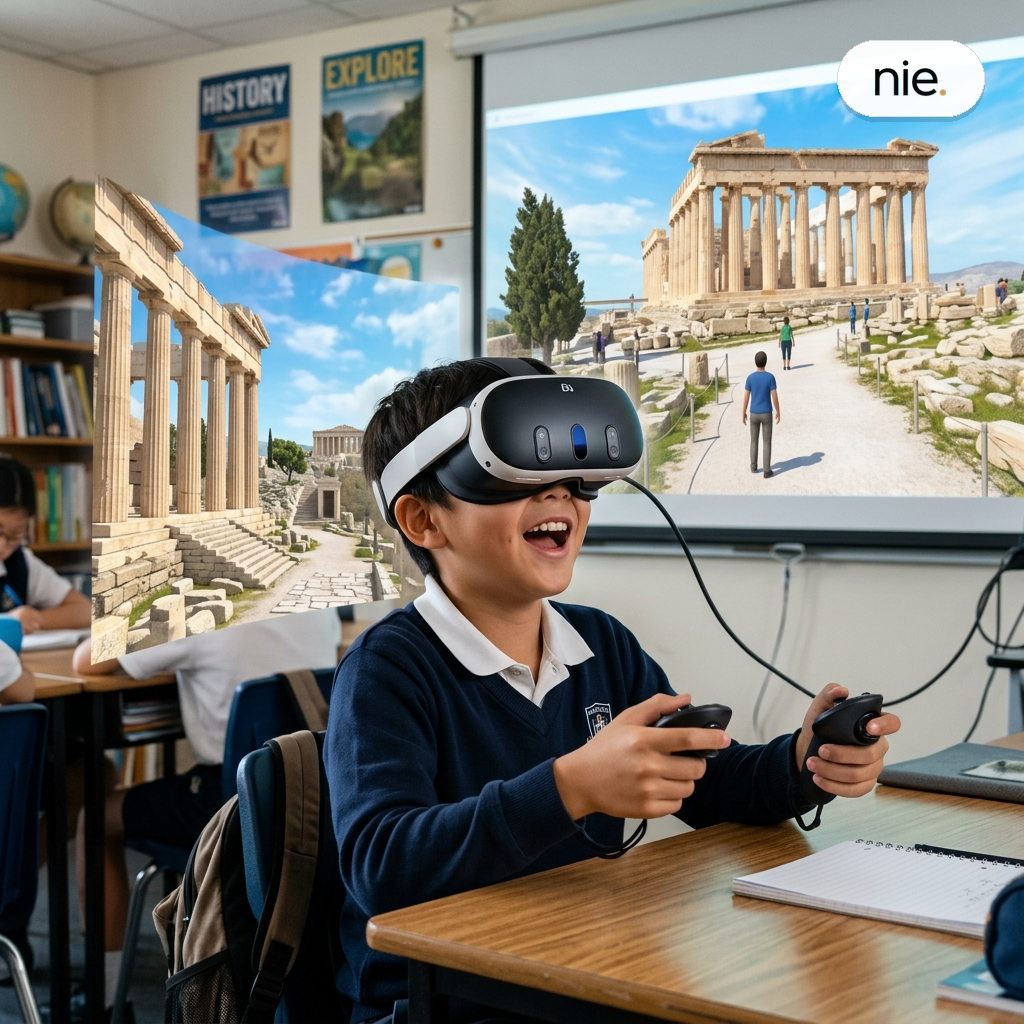
Trong 3-5 năm tới, xu hướng tích hợp AI tạo sinh (Generative AI) vào sách giáo khoa điện tử sẽ trở thành tiêu chuẩn. Hệ thống sẽ không chỉ cung cấp bài học mà còn đóng vai trò như một “gia sư riêng” (tutor), sẵn sàng giải đáp mọi thắc mắc của học sinh bằng ngôn ngữ tự nhiên. Việc tích hợp các bài học thực tế ảo (VR) sẽ làm mờ dần ranh giới giữa không gian lớp học vật lý và môi trường học tập số.
Câu hỏi thường gặp (FAQ)
1. Sách giáo khoa điện tử tương tác có thay thế hoàn toàn sách in không?
Sách điện tử tương tác là công cụ hỗ trợ mạnh mẽ, không nhất thiết thay thế hoàn toàn sách in. Một mô hình giáo dục kết hợp (Blended Learning) thường mang lại hiệu quả cao nhất, tận dụng được ưu điểm của cả sự tương tác kỹ thuật số và sự tập trung cần thiết từ việc đọc trên giấy.
2. Làm thế nào để đảm bảo nội dung số không gây xao nhãng cho học sinh?
Việc thiết kế trải nghiệm người dùng (UX/UI) đóng vai trò then chốt. Nội dung phải được tinh lọc, cấu trúc logic, lược bỏ các thành phần tương tác thừa thãi không phục vụ cho mục tiêu sư phạm cụ thể.
3. Chi phí phát triển sách điện tử tương tác có quá cao so với ngân sách giáo dục?
Mặc dù chi phí đầu tư ban đầu cho phát triển phần mềm và nội dung số là rất lớn, nhưng về dài hạn, việc này giúp giảm thiểu chi phí in ấn, lưu kho và vận chuyển, đồng thời nội dung có thể được tái sử dụng và cập nhật dễ dàng trên quy mô lớn.
Kết luận và Định hướng phát triển cùng NIE.vn
Phát triển sách giáo khoa điện tử tương tác là một cuộc cách mạng tất yếu. Nó đòi hỏi sự đồng bộ giữa công nghệ và tư duy sư phạm để tạo ra những giá trị bền vững cho thế hệ tương lai. Nếu quý đối tác, nhà xuất bản hoặc tổ chức giáo dục đang tìm kiếm giải pháp chuyên nghiệp để hiện thực hóa các dự án E-learning hoặc chuyển đổi số hệ thống giáo dục, hãy để NIE.vn đồng hành cùng bạn.
Tại NIE.vn (Network, Information, Education thuộc Hộ kinh doanh Công nghệ và Giáo dục Nguyễn Thông), chúng tôi tự hào là chuyên gia hàng đầu trong lĩnh vực Thiết kế Website chuẩn SEO, phát triển phần mềm giáo dục bản quyền, xây dựng hệ thống E-learning và cung cấp các giải pháp công nghệ toàn diện. Với kinh nghiệm thực chiến và am hiểu sâu sắc về hành vi người dùng trong giáo dục, NIE.vn cam kết mang đến những sản phẩm công nghệ không chỉ tối ưu về kỹ thuật mà còn đạt chuẩn cao nhất về tính sư phạm. Hãy liên hệ với chúng tôi để cùng tạo ra những đột phá trong giáo dục số ngay hôm nay!
2. English Version (Abstract)
In the era of digital education transformation, the shift from traditional textbooks to interactive digital textbooks has become a necessity. These textbooks act as living learning ecosystems, integrating AI, AR/VR, and Big Data to foster active learning. At NIE.vn, we specialize in providing advanced technological solutions, including high-end E-learning platforms and customized software, to help institutions thrive in the digital age.
2. English Version
In the era of digital education transformation, the shift from traditional, legacy learning materials to interactive digital textbooks is no longer merely a modern trend; it has become an urgent imperative. The rapid advancement of Artificial Intelligence (AI), Augmented Reality/Virtual Reality (AR/VR), and Big Data is setting a new benchmark for how knowledge is disseminated. Textbooks are no longer static blocks of text on paper; they have evolved into dynamic, vibrant learning ecosystems where students transition from passive consumers to central participants through multidimensional, interactive activities.
Developing interactive digital textbooks requires a harmonious blend of modern pedagogy and cutting-edge technology. This process goes far beyond simple digitization—it involves a fundamental “digitization transformation” that restructures content to optimize student absorption and critical thinking. This article explores the operational mechanisms, core values, and implementation challenges of digital textbooks to help shape a smarter, more sustainable future for global education.
Conceptual Framework and Core Mechanisms
An interactive digital textbook is a digital content format designed to either replace or complement traditional printed textbooks. It is characterized by superior flexibility, rich multimedia capabilities, and the potential for real-time feedback. Unlike simple PDF files, which are merely digital replicas of printed pages, interactive textbooks are built on specialized software platforms that integrate the following essential elements:
- Integrated Multimedia Elements: These include simulation videos, audio-enhanced illustrations, dynamic mind maps, and interactive 3D models that allow students to rotate, zoom, and inspect details from every angle.
- Two-Way Interactive Systems: Students can complete exercises, receive instant feedback, and verify their understanding through embedded quizzes seamlessly integrated into each chapter.
- Personalization Capabilities: Intelligent algorithms customize the learning path based on the individual student’s pace and performance, effectively creating an adaptive learning environment.
- Real-Time Data Connectivity: Teachers gain access to a dedicated dashboard that tracks individual progress, enabling them to identify each student’s specific strengths and weaknesses instantly.
Breakthrough Benefits and Practical Value
Investing in the development of interactive digital textbooks delivers transformative benefits across the entire educational spectrum, significantly impacting students, educators, and administrative institutions alike.
Comparison Table: Traditional Textbooks vs. Interactive Digital Textbooks
| Criteria | Traditional Textbooks | Interactive Digital Textbooks |
|---|---|---|
| Content | Static, fixed, 2D text and images | Dynamic, multimedia-rich, constantly updated |
| Interaction | None | High (Gamification, 3D simulations) |
| Feedback | Delayed (requires manual teacher grading) | Instant (automated assessment systems) |
| Personalization | One-size-fits-all | Adaptive (based on individual competency) |
Practical Value for Learners
Students no longer simply “read” knowledge passively; they “experience” it. For instance, in a Biology lesson, instead of looking at static 2D images of the circulatory system, students can interact with a 3D heart model, observing the blood flow through the valves in real-time. This multisensory approach deepens long-term retention and fuels scientific curiosity, making learning a deeply engaging process.
Challenges, Risks, and Optimal Solutions
Despite their immense potential, the development of interactive digital textbooks faces several significant barriers:
- Technical and Infrastructure Barriers: The digital divide remains a daunting challenge. Disparities in access to hardware across different regions can lead to inconsistent learning experiences and technical bottlenecks.
- Teacher Digital Literacy: Technology is only as effective as the educator operating it. Without comprehensive training, advanced tools can become a burden rather than a facilitator in the classroom.
- Data Security Risks: The collection of learning analytics must strictly adhere to international data protection standards to prevent the exposure of students’ personal information.
Optimal Solutions: Developers must prioritize Offline-first design—allowing students to download content for use without a constant internet connection—to mitigate infrastructure issues. Furthermore, adopting a Micro-learning model (breaking knowledge down into manageable, modular units) is crucial to optimizing the user experience on various mobile devices.
Real-World Examples and Future Trends
Over the next 3–5 years, the integration of Generative AI into digital textbooks will become the industry standard. These systems will not only provide lessons but will also act as personalized “AI tutors,” capable of answering student inquiries in natural language. The implementation of VR lessons will further blur the lines between physical classrooms and virtual learning environments.
Frequently Asked Questions (FAQ)
1. Will interactive digital textbooks completely replace printed books?
Interactive digital textbooks are powerful supportive tools, not necessarily total replacements. A Blended Learning model often yields the highest efficiency, leveraging the interactive power of digital technology while maintaining the focused, deep-reading habits fostered by printed materials.
2. How can we ensure digital content does not become a distraction for students?
User Experience (UX) and User Interface (UI) design play a critical role. Content must be filtered, logically structured, and stripped of unnecessary interactive elements that do not serve specific pedagogical goals.
3. Are the development costs of interactive digital textbooks too high for educational budgets?
While initial investment in software development and digital content creation is significant, it reduces long-term costs associated with printing, storage, and distribution. Additionally, digital content can be easily reused and updated at scale, providing a superior return on investment over time.
Conclusion and Development Direction with NIE.vn
The development of interactive digital textbooks is an inevitable revolution. It requires a perfect synchronization between technology and pedagogy to create sustainable value for future generations. If your partners, publishing houses, or educational organizations are seeking professional solutions to realize your E-learning projects or digital transformation goals, let NIE.vn be your trusted companion.
At NIE.vn (Network, Information, Education under Nguyen Thong Technology and Education Business Household), we pride ourselves on being leading experts in SEO-optimized Website Design, proprietary educational software development, E-learning system construction, and comprehensive digital solutions. With extensive practical experience and deep insights into learner behavior, NIE.vn is committed to delivering technology products that are not only technically robust but also meet the highest pedagogical standards. Contact us today to create breakthroughs in digital education!
3. 中文版
在教育数字化转型的时代浪潮中,从传统学习资料向交互式数字教科书(Interactive Digital Textbooks)的转型已不再是一种时尚的选择,而成为了一项紧迫的必然要求。人工智能(AI)、增强现实与虚拟现实(AR/VR)以及大数据(Big Data)技术的爆发,正为知识的传播方式设定了全新的基准。教科书已不再是纸面上静态的文字堆砌,而是蜕变为充满活力的学习生态系统,学习者通过多维度的交互活动,在其中占据了核心地位。
开发交互式数字教科书,要求现代教育学与先进信息技术的和谐融合。这不仅仅是对书页的数字化(digitization),更是一个内容重构的数字化转型(digitization transformation)过程,旨在优化学生的吸收能力和批判性思维。本文将深入剖析其运行机制、核心价值,以及在实际部署过程中的挑战,从而为塑造一个更智能、更可持续的教育未来提供参考。
概念解析与核心运行机制
交互式数字教科书是一种旨在替代或辅助印刷版教科书的数字内容格式,具备灵活性、多媒体性(multimedia)以及即时反馈能力等卓越特征。与仅仅是书页数字化版本的纯PDF文件不同,交互式教科书构建在专门的软件平台上,允许集成以下核心要素:
- 整合多媒体元素: 包括模拟视频、辅助音频文件、动态思维导图以及允许学生旋转、缩放以观察细节的3D模型。
- 双向交互系统: 学生可以直接完成练习,获取即时反馈(instant feedback),并通过嵌入在章节中的测验(quiz)直接检验学习成果。
- 个性化能力(Personalization): 算法能够根据每个学生的吸收速度定制学习路径,创造一个适应性学习(adaptive learning)环境。
- 实时数据连接: 教师可以通过专门的仪表盘(dashboard)实时跟踪每个学生的学习进度、强项与弱项。
卓越优势与现实价值体现
投入开发交互式数字教科书,能够为教育系统的各方主体——包括学生、教师和教育管理机构——带来颠覆性的益处。
对照表:传统教科书 vs. 交互式数字教科书
| 标准 | 传统教科书 | 交互式数字教科书 |
|---|---|---|
| 内容 | 静态、固定、纯文本及2D图像 | 动态、多媒体、持续更新 |
| 交互性 | 无 | 高(游戏化、3D模拟) |
| 反馈 | 滞后(需等待教师批改) | 即时(系统自动评分) |
| 个性化 | 统一标准(One size fits all) | 基于能力(适应性学习) |
对学习者的现实价值
学生不再是被动地“阅读”知识,而是能够主动“体验”知识。例如,在生物课上,学生无需再枯燥地盯着循环系统的描述图片,而是可以与3D心脏模型进行交互,观察血液流经瓣膜的过程。这种方式激活了多感官体验,从而显著增强了长时记忆,并有效激发了学生的科学探究好奇心。
挑战、风险与最优解决方案
尽管潜力巨大,但交互式数字教科书的发展仍面临不少阻碍:
- 技术与基础设施壁垒: 不同地区之间在数字设备获取条件上的差距依然是亟待解决的难题。硬件设施的不统一会导致学习体验的中断。
- 教师的数字素养: 只有当授课教师具备操作能力并能将其应用于教学法时,技术才能发挥真正的效用。如果缺乏系统的培训,技术可能会成为教学的负担。
- 数据安全风险: 学习数据的收集必须严格按照国际标准进行保护,以防止学习者的个人信息泄露。
最优解决方案: 开发单位应优先考虑 离线优先(Offline-first) 设计(允许在无互联网环境下下载学习内容),以克服基础设施的问题。同时,应采用 微课(Micro-learning) 模式(将内容碎片化为较小的知识点),以优化移动设备上的使用体验。
实际案例与未来趋势
在未来3至5年内,将生成式人工智能(Generative AI)集成到数字教科书中将成为行业标准。系统不仅提供课程内容,还将扮演“私人导师”(tutor)的角色,随时以自然语言解答学生的任何疑问。虚拟现实(VR)课程的融合将进一步模糊物理教室空间与数字学习环境之间的界限。
常见问题(FAQ)
1. 交互式数字教科书会完全取代纸质书吗?
交互式电子书是强有力的辅助工具,并不一定要完全取代纸质书。通常,“混合式学习”(Blended Learning)模式能带来最高效率,既能利用数字交互的优势,又能保留纸质阅读所带来的专注感。
2. 如何确保数字内容不会让学生分心?
用户体验(UX/UI)设计起着关键作用。内容必须精炼、结构逻辑清晰,并剔除掉那些不服务于具体教学目标的冗余交互元素。
3. 交互式电子书的开发成本是否过高,超出教育预算?
虽然软件开发和数字内容的初始投资较高,但从长远来看,这能有效降低印刷、仓储和运输成本,且内容可在大规模范围内被轻松复用和更新。
结论及与 NIE.vn 的发展方向
发展交互式数字教科书是一场必然的变革。它需要技术与教育理念的同步演进,从而为未来的一代创造持久的价值。如果贵方合作伙伴、出版社或教育机构正在寻求专业解决方案以实现电子学习(E-learning)项目或教育系统数字化转型,请让 NIE.vn 成为您的同行者。
在 NIE.vn(隶属于阮通教育与技术个体经营户,全称:Network, Information, Education),我们引以为傲的是在SEO标准网站设计、版权教育软件开发、E-learning系统构建及提供全方位技术解决方案领域的领先专家地位。凭借深厚的实战经验及对教育用户行为的深刻洞察,NIE.vn 承诺为您交付不仅在技术上最优,且在教学法上达到最高标准的科技产品。立即联系我们,共同在数字教育领域开创突破性的成果!
4. English Version (Abstract)
In the era of digital education transformation, the shift from traditional textbooks to interactive digital textbooks has become a necessity. These textbooks act as living learning ecosystems, integrating AI, AR/VR, and Big Data to foster active learning. At NIE.vn, we specialize in providing advanced technological solutions, including high-end E-learning platforms and customized software, to help institutions thrive in the digital age.
🤖 Đội Ngũ AI Tự Hành 24/7
Tự động hóa quy trình nghiệp vụ, cào dữ liệu, xử lý tài liệu và đối soát báo cáo liên tục không ngừng nghỉ.
✍️ AI Sáng Tạo Nội Dung
Tự động viết bài chuẩn SEO, thiết kế Infographic và phân phối đa kênh lên Website, Facebook Fanpage.
🔗 Kết Nối n8n & Webhooks
Tích hợp liền mạch với Google Workspace, CRM, Zalo OA, Telegram và hệ thống cơ sở dữ liệu doanh nghiệp.
🧠 Đa Mô Hình AI Tiên Tiến
Ứng dụng linh hoạt Google Gemini Pro, OpenAI GPT, Claude 3.5 và các mô hình mã nguồn mở DeepSeek/Ollama.
🎓 Khóa Học AI Thực Chiến
Chương trình đào tạo từ cơ bản đến nâng cao: Làm chủ AI Agents, Prompt Engineering và Tự động hóa 0đ chi phí.
💎 Tài Khoản AI Doanh Nghiệp
Cung cấp gói tài khoản Google One 2TB, Gemini Advanced, ChatGPT Plus bản quyền giá ưu đãi.
🏢 Đơn Vị Pháp Lý Rõ Ràng
HỘ KINH DOANH CÔNG NGHỆ VÀ GIÁO DỤC NGUYỄN THÔNG (MST: 6000861747-001). Cung cấp hóa đơn và hợp đồng đầy đủ.
🔒 Bảo Mật Dữ Liệu Khách Hàng
Tuân thủ nghiêm ngặt Nghị định 13/2023/NĐ-CP về bảo vệ dữ liệu cá nhân và bí mật kinh doanh của khách hàng.