
1. Phiên bản Tiếng Việt
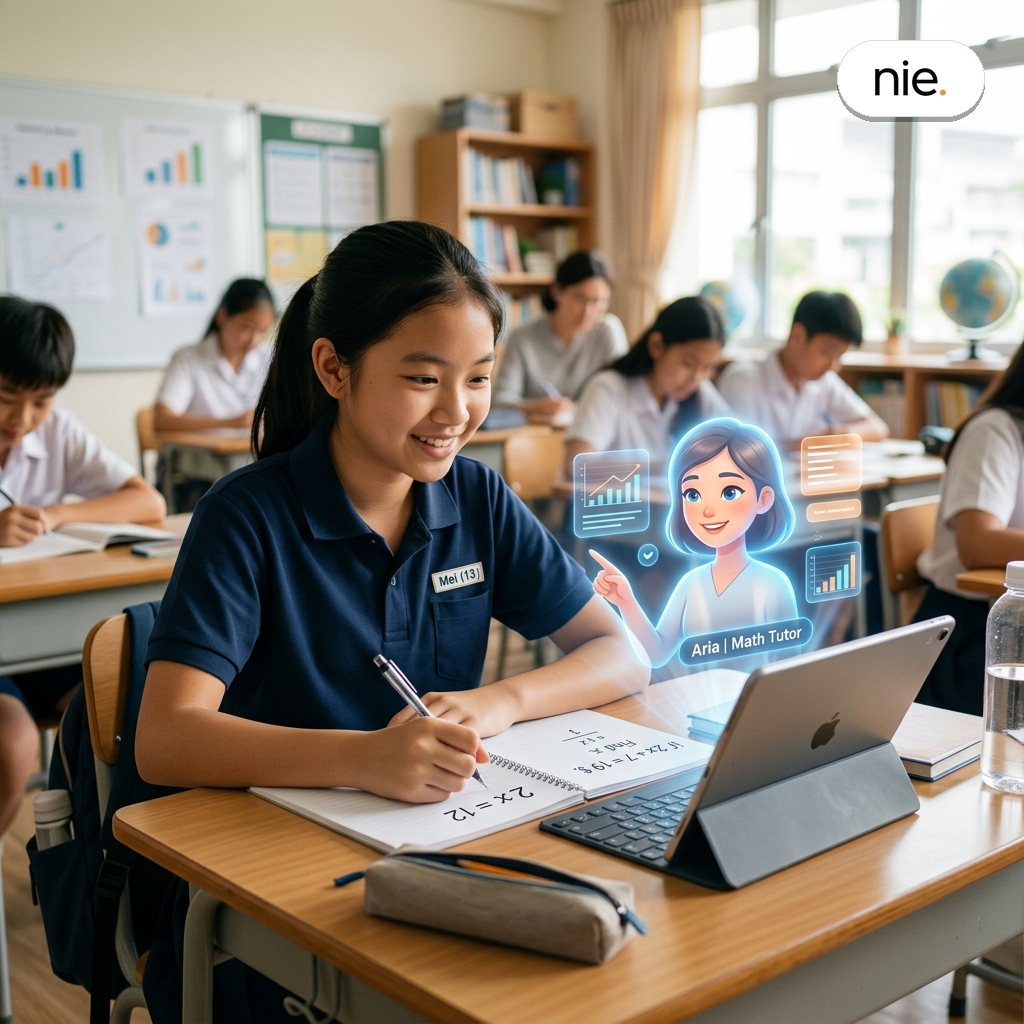
Trong kỷ nguyên số hóa giáo dục, khái niệm “học tập suốt đời” (lifelong learning) đã không còn là một khẩu hiệu lý thuyết mà trở thành yêu cầu thiết yếu của lực lượng lao động hiện đại. Tuy nhiên, sự bùng nổ của các nền tảng học tập trực tuyến (MOOCs) lại tạo ra một “nghịch lý của sự lựa chọn”: người học bị choáng ngợp giữa hàng triệu khóa học, tài liệu và kỹ năng cần trang bị. Chính tại điểm giao thoa này, hệ thống gợi ý khóa học AI đã nổi lên như một giải pháp mang tính cách mạng, đóng vai trò như một “người hướng dẫn cá nhân” (personal tutor) thông minh, giúp tối ưu hóa hành trình phát triển tri thức cho từng cá nhân.
Việc ứng dụng trí tuệ nhân tạo không chỉ dừng lại ở việc lọc dữ liệu đơn thuần. Đó là sự kết hợp tinh vi giữa khai phá dữ liệu (data mining), học máy (machine learning) và phân tích hành vi thời gian thực để thấu hiểu trình độ, mục tiêu nghề nghiệp và phong cách học tập của người dùng. Một hệ thống gợi ý khóa học AI hiệu quả không chỉ giới thiệu những gì người học “muốn”, mà quan trọng hơn, nó gợi ý những gì họ “cần” để đạt được các cột mốc sự nghiệp tiếp theo. Với sự phát triển của các mô hình ngôn ngữ lớn (LLM) và thuật toán học tăng cường, độ chính xác của các hệ thống này đang đạt đến những ngưỡng chưa từng có, hứa hẹn thay đổi hoàn toàn cách thức chúng ta tiếp cận tri thức trong thập kỷ tới.
Phân tích khái niệm và cơ chế cốt lõi
Hệ thống gợi ý khóa học AI là một tập hợp các thuật toán phức tạp được thiết kế để phân tích các tập dữ liệu khổng lồ liên quan đến nội dung khóa học và hồ sơ người học. Cơ chế cốt lõi của hệ thống này vận hành dựa trên ba phương pháp chính:
- Lọc dựa trên nội dung (Content-based Filtering): Hệ thống phân tích các đặc điểm của khóa học (như từ khóa, kỹ năng đầu ra, độ khó, thời lượng) và đối chiếu với hồ sơ, lịch sử học tập của người dùng. Nếu bạn đã hoàn thành một khóa học “Lập trình Python cơ bản”, hệ thống sẽ gợi ý “Phát triển Web với Django”.
- Lọc cộng tác (Collaborative Filtering): Đây là phương pháp dựa trên sự tương đồng giữa các người dùng. Nếu người dùng A và người dùng B có hành vi, sở thích và trình độ tương đồng, những khóa học mà người dùng B hoàn thành thành công sẽ được gợi ý cho người dùng A.
- Hệ thống gợi ý lai (Hybrid Recommendation Systems): Kết hợp cả hai phương pháp trên để khắc phục các hạn chế như hiện tượng “cold start” (khi hệ thống chưa có đủ dữ liệu về người dùng mới) hoặc sự thiếu đa dạng trong gợi ý.
Bên cạnh đó, sự tích hợp của Deep Learning (Học sâu) thông qua các mạng thần kinh (Neural Networks) cho phép hệ thống hiểu được bối cảnh (context) phức tạp, chẳng hạn như xu hướng thị trường lao động hiện tại hoặc các kỹ năng đang “khát” nhân lực, từ đó đưa ra gợi ý mang tính dự báo thay vì chỉ phản hồi các hành động trong quá khứ.
Lợi ích vượt trội và Giá trị thực tế mang lại
Cá nhân hóa lộ trình học tập (Personalized Learning Path)
Thay vì sử dụng một giáo trình chung cho tất cả, AI xây dựng lộ trình thích ứng (Adaptive Learning). Hệ thống đánh giá kiến thức nền tảng của người học, từ đó lược bỏ những phần họ đã nắm vững và tập trung vào những lỗ hổng kiến thức cần bù đắp, giúp tiết kiệm thời gian đáng kể.
Tăng tỷ lệ hoàn thành khóa học
Một trong những nỗi đau lớn nhất của giáo dục trực tuyến là tỷ lệ bỏ cuộc cao. Hệ thống gợi ý AI giải quyết vấn đề này bằng cách gửi các gợi ý đúng thời điểm (just-in-time) và đúng nội dung, giúp người học duy trì động lực thông qua việc nhìn thấy sự tiến bộ rõ rệt.
| Tiêu chí | Cách tiếp cận truyền thống | Hệ thống gợi ý AI |
|---|---|---|
| Nội dung | Tĩnh (Static) | Thích ứng (Adaptive) |
| Tương tác | Đơn phương | Hai chiều (AI tương tác với người học) |
| Tốc độ | Chậm, dựa trên quy trình | Thời gian thực (Real-time) |
Thách thức, Rủi ro và Giải pháp tối ưu
Mặc dù đầy hứa hẹn, việc triển khai các hệ thống này đối mặt với nhiều rào cản kỹ thuật và đạo đức. Vấn đề lớn nhất là “bong bóng lọc” (filter bubbles), nơi hệ thống chỉ giới thiệu các nội dung tương tự với những gì người dùng đã biết, vô tình làm hạn chế khả năng tiếp cận các lĩnh vực mới hoặc quan điểm đa chiều. Ngoài ra, quyền riêng tư dữ liệu là một thách thức nhức nhối khi AI cần thu thập lượng lớn dữ liệu hành vi nhạy cảm.
Giải pháp tối ưu:
- Tính minh bạch thuật toán: Cho phép người dùng hiểu tại sao họ nhận được gợi ý đó.
- Cơ chế “Serendipity” (Sự tình cờ may mắn): Tích hợp các thuật toán cố tình chèn thêm các nội dung ngoài sở thích thông thường để mở rộng phạm vi kiến thức cho người dùng.
- Bảo mật dữ liệu chuẩn mực: Áp dụng các kỹ thuật như Federated Learning – nơi AI học từ dữ liệu mà không cần phải truyền dữ liệu cá nhân về máy chủ trung tâm.
Xu hướng tương lai trong 3-5 năm tới
Trong tương lai gần, hệ thống gợi ý khóa học AI sẽ chuyển dịch sang mô hình AI đồng hành (AI Mentor). Thay vì chỉ gợi ý link khóa học, AI sẽ chủ động tương tác bằng giọng nói, giải đáp thắc mắc trực tiếp trong quá trình học và thậm chí mô phỏng các buổi phỏng vấn dựa trên kiến thức đã học. Sự hội tụ giữa AI và Công nghệ thực tế ảo (VR/AR) sẽ tạo ra những môi trường học tập nhập vai, nơi hệ thống gợi ý sẽ quyết định loại bài tập thực hành VR nào là hiệu quả nhất dựa trên dữ liệu hiệu năng của từng cá nhân.
Câu hỏi thường gặp (FAQ)
Tại sao hệ thống gợi ý lại quan trọng đối với các doanh nghiệp đào tạo nội bộ?
Đối với doanh nghiệp, hệ thống này giúp tối ưu hóa nguồn lực đào tạo, đảm bảo nhân viên được trang bị đúng kỹ năng cần thiết để vận hành tổ chức, từ đó tăng năng suất lao động và giảm tỷ lệ nghỉ việc do thiếu định hướng phát triển.
Dữ liệu nào là quan trọng nhất để hệ thống hoạt động chính xác?
Dữ liệu về “kết quả học tập” (những gì người học đã thực sự nắm vững) và “lịch sử hành vi” (thời gian xem, tốc độ hoàn thành) là hai yếu tố then chốt giúp thuật toán hiểu rõ năng lực thực tế của người học.
Liệu AI có thay thế hoàn toàn vai trò của người thầy?
Không. AI đóng vai trò là công cụ hỗ trợ (Augmented Intelligence). Nó xử lý việc phân phối nội dung và theo dõi lộ trình, còn giáo viên sẽ tập trung vào vai trò truyền cảm hứng, giải quyết các vấn đề phức tạp và xây dựng tư duy phản biện – những kỹ năng mà máy móc chưa thể sao chép hoàn hảo.
Việc xây dựng một hệ thống gợi ý khóa học thông minh yêu cầu sự đầu tư nghiêm túc về hạ tầng công nghệ và tư duy quản trị dữ liệu. Tại NIE.vn, chúng tôi hiểu rằng mỗi tổ chức giáo dục đều có những nhu cầu riêng biệt. Với kinh nghiệm chuyên sâu trong lĩnh vực Thiết kế Website chuẩn SEO, phát triển phần mềm giáo dục (E-learning) và các giải pháp chuyển đổi số, Hộ kinh doanh Công nghệ và Giáo dục Nguyễn Thông luôn sẵn sàng đồng hành cùng bạn. Chúng tôi không chỉ cung cấp giải pháp công nghệ, chúng tôi kiến tạo hệ sinh thái để tri thức được lan tỏa hiệu quả nhất. Hãy liên hệ với NIE.vn để bắt đầu hành trình nâng tầm hệ thống đào tạo của bạn bằng công nghệ AI tiên tiến nhất hiện nay.
2. English Version (Core Content Summary)
In the digital age, AI-powered course recommendation systems act as personal guides in the vast ocean of online education. By utilizing collaborative filtering, content-based algorithms, and machine learning, these systems transition learning from a “one-size-fits-all” approach to a hyper-personalized journey. As we look ahead, the integration of AI will transform static repositories into dynamic, adaptive learning ecosystems, paving the way for lifelong success in a rapidly evolving global workforce.
2. English Version
In the era of educational digitalization, the concept of “lifelong learning” has evolved from a theoretical slogan into an essential requirement for the modern workforce. However, the explosion of Massive Open Online Courses (MOOCs) has triggered a “paradox of choice”: learners are overwhelmed by millions of courses, disparate materials, and an endless array of skills to acquire. It is at this critical intersection that AI-powered course recommendation systems have emerged as a revolutionary solution, acting as intelligent “personal tutors” that optimize the knowledge acquisition journey for each individual.
The application of artificial intelligence transcends mere data filtering. It represents a sophisticated synergy of data mining, machine learning, and real-time behavioral analytics designed to deeply understand a user’s current proficiency, career objectives, and distinct learning style. An effective AI recommendation system does not simply suggest what a learner “wants”; more importantly, it identifies what they “need” to reach their next career milestone. With the rapid evolution of Large Language Models (LLMs) and reinforcement learning algorithms, the precision of these systems is reaching unprecedented thresholds, promising to fundamentally transform how we access and consume knowledge over the next decade.
Core Concepts and Operational Mechanisms
An AI course recommendation system is a collection of complex algorithms designed to analyze massive datasets related to course content and learner profiles. The core mechanism of these systems operates on three primary methodologies:
- Content-based Filtering: The system analyzes course attributes—such as keywords, output skills, difficulty levels, and duration—and cross-references them with the user’s profile and learning history. For instance, if a user has completed an “Introduction to Python Programming” course, the system will proactively suggest “Web Development with Django.”
- Collaborative Filtering: This method relies on the similarities between users. If User A and User B share similar behaviors, preferences, and skill levels, the courses successfully completed by User B are recommended to User A.
- Hybrid Recommendation Systems: By combining both methodologies, these systems effectively mitigate limitations such as the “cold start” problem (when the system lacks sufficient data for new users) or a lack of diversity in recommendations.
Furthermore, the integration of Deep Learning through Neural Networks allows systems to grasp complex contexts—such as current labor market trends or high-demand skills—thereby delivering predictive recommendations rather than merely reacting to past actions.
Superior Benefits and Practical Value
Personalized Learning Paths
Instead of a “one-size-fits-all” curriculum, AI constructs an Adaptive Learning path. The system evaluates the learner’s foundational knowledge, effectively bypassing concepts they have already mastered while focusing on specific knowledge gaps. This precision saves significant time and accelerates the learning curve.
Increasing Course Completion Rates
One of the most persistent pain points in online education is high attrition. AI recommendation systems address this by delivering “just-in-time” suggestions and highly relevant content, keeping learners motivated by allowing them to visualize their tangible progress.
| Criteria | Traditional Approach | AI Recommendation System |
|---|---|---|
| Content | Static | Adaptive |
| Interaction | One-way | Two-way (AI interacts with the learner) |
| Speed | Slow, process-dependent | Real-time |
Challenges, Risks, and Optimal Solutions
Despite their promise, implementing these systems presents significant technical and ethical hurdles. The most prominent issue is the “filter bubble,” where the system only introduces content similar to what the user already knows, inadvertently limiting exposure to new fields or diverse perspectives. Furthermore, data privacy remains a critical concern, as AI requires the collection of vast amounts of sensitive behavioral data.
Optimal Solutions:
- Algorithmic Transparency: Providing users with insights into why a specific recommendation was generated.
- “Serendipity” Mechanisms: Intentionally integrating algorithms that suggest content outside of standard preferences to broaden the user’s knowledge horizon.
- Standardized Data Security: Implementing techniques like Federated Learning, where the AI learns from decentralized data without requiring the transmission of personal information to a central server.
Future Trends (3-5 Years)
In the near future, AI course recommendation systems will transition into AI Mentor models. Instead of merely suggesting course links, the AI will proactively engage through voice interaction, clarify complex queries in real-time, and even simulate job interviews based on acquired knowledge. The convergence of AI and Extended Reality (VR/AR) will create immersive learning environments where recommendation engines determine which VR practical exercises are most effective based on individual performance analytics.
Frequently Asked Questions (FAQ)
Why are recommendation systems crucial for corporate internal training?
For businesses, these systems optimize training resources, ensuring employees are equipped with the exact skills required to drive organizational goals. This leads to increased labor productivity and reduced turnover caused by a lack of clear professional development.
What data is most vital for the system to operate accurately?
Data on “learning outcomes” (what the learner has actually mastered) and “behavioral history” (watch time, completion speed) are the two key pillars that help algorithms understand the learner’s actual competence.
Will AI completely replace the role of human teachers?
No. AI functions as Augmented Intelligence. It handles content distribution and progress tracking, while teachers focus on the human aspects: providing inspiration, resolving complex problems, and fostering critical thinking—skills that machines cannot yet perfectly emulate.
Building a truly intelligent course recommendation system requires serious investment in technological infrastructure and data management philosophy. At NIE.vn, we understand that every educational organization has unique needs. With deep expertise in SEO-driven website design, E-learning software development, and digital transformation solutions, Nguyen Thong Technology and Education Business is ready to be your partner. We do not just provide technological solutions; we craft ecosystems where knowledge can flourish most effectively. Contact NIE.vn today to begin elevating your training system with the most advanced AI technology available.
3. 中文版
在教育数字化的浪潮中,“终身学习”(lifelong learning)的概念已不再仅仅是一句理论口号,而是现代劳动力市场的核心诉求。然而,在线学习平台(MOOCs)的爆发式增长却引发了所谓的“选择悖论”:学习者在海量的课程、资料和技能需求中感到不知所措。正是在这一交汇点上,人工智能课程推荐系统应运而生,成为一场革命性的解决方案。它扮演着智能“私人导师”(personal tutor)的角色,致力于为每一位学习者优化知识进阶的旅程。
人工智能的应用绝非简单的算法筛选,它是数据挖掘(data mining)、机器学习(machine learning)与实时行为分析的深度融合,旨在精准洞察用户的知识水平、职业目标及学习习惯。一个高效的AI课程推荐系统,不仅是向学习者推荐他们“想要”的内容,更重要的是,它能精准识别并推送那些有助于用户实现职业里程碑的“刚需”课程。随着大语言模型(LLM)和强化学习算法的持续演进,这些系统的精准度已达到前所未有的水平,预示着未来十年我们将彻底改变获取知识的方式。
核心概念与运作机制解析
人工智能课程推荐系统是由一系列复杂的算法集合而成,旨在分析与课程内容及学习者画像相关的海量数据集。该系统的核心运作机制主要基于以下三种方法:
- 基于内容的过滤(Content-based Filtering): 系统分析课程属性(如关键词、产出技能、难度、时长等),并将其与用户的个人档案及学习历史进行匹配。例如,如果您已经完成了“Python编程基础”课程,系统会自动推荐“Django Web开发”。
- 协同过滤(Collaborative Filtering): 该方法基于用户之间的相似性。如果用户A和用户B的行为习惯、兴趣爱好及知识水平高度相似,那么系统会将用户B成功完成的课程推荐给用户A。
- 混合推荐系统(Hybrid Recommendation Systems): 结合上述两种方法,以克服诸如“冷启动”(Cold Start,即系统缺乏新用户数据时)或推荐多样性不足等技术限制。
此外,通过神经网络集成的深度学习(Deep Learning)技术,使系统能够理解复杂的语境,例如当前的劳动力市场趋势或紧缺技能,从而进行前瞻性推荐,而非仅仅是被动响应用户的过去行为。
卓越优势与实际价值
个性化学习路径(Personalized Learning Path)
AI摒弃了“一刀切”的教学大纲,转而构建自适应学习(Adaptive Learning)路径。系统通过评估学习者的底层知识储备,剔除已掌握内容,专注于填补知识盲区,从而显著节省学习时间。
提升课程完成率
在线教育面临的最大痛点之一是居高不下的辍学率。AI推荐系统通过在恰当的时间(just-in-time)推送精准内容来解决这一难题,让学习者通过直观看到学习进度,持续保持动力。
| 对比维度 | 传统教学模式 | AI推荐系统 |
|---|---|---|
| 内容 | 静态(Static) | 自适应(Adaptive) |
| 互动 | 单向传递 | 双向互动(AI与学习者实时交流) |
| 响应速度 | 缓慢,依赖流程 | 实时(Real-time) |
挑战、风险与最优解决方案
尽管前景广阔,但这些系统的部署也面临诸多技术和伦理障碍。最大的问题是“过滤气泡”(filter bubbles),即系统倾向于只推荐与用户已知领域相似的内容,从而无意中限制了用户接触新领域或多元观点的机会。此外,数据隐私也是一个严峻的挑战,因为AI需要收集海量的敏感行为数据。
最优解决方案:
- 算法透明度: 赋予用户知情权,使其了解系统为何推荐特定内容。
- “意外发现”(Serendipity)机制: 在算法中刻意加入非用户常规兴趣的内容,以拓宽学习者的知识广度。
- 标准化数据安全: 采用联邦学习(Federated Learning)等先进技术,使AI在无需将个人数据上传至中央服务器的情况下进行模型训练。
未来3-5年的发展趋势
在不久的将来,课程推荐系统将演变为AI陪练(AI Mentor)模式。AI将不再仅仅推送课程链接,而是主动通过语音进行交互,在学习过程中答疑解惑,甚至根据已掌握知识模拟面试场景。AI与虚拟现实(VR/AR)技术的融合将打造出沉浸式学习环境,推荐系统将根据个人的表现数据,自动决定最有效的VR实操练习方案。
常见问题(FAQ)
为何推荐系统对企业内训至关重要?
对于企业而言,该系统能优化培训资源配置,确保员工掌握运营组织所需的关键技能,从而提升劳动生产率,并降低因职业规划缺失而导致的人员流失率。
哪些数据对系统精准运行最重要?
“学习成果数据”(用户真正掌握的内容)与“行为轨迹数据”(观看时长、完成速度)是衡量系统运作效率的两个关键指标,能帮助算法深刻理解学习者的实际能力。
AI是否会完全取代教师的角色?
不会。AI扮演的是辅助者(Augmented Intelligence)角色。它负责处理内容分发和进度跟踪,而教师则专注于启发思维、解决复杂难题及培养批判性思维——这些均是机器目前无法完美复制的技能。
构建一个智能化的课程推荐系统需要对技术基础设施和数据治理理念进行深厚投入。在 NIE.vn,我们深知每一家教育机构都有其独特的诉求。凭借在SEO标准网站设计、E-learning软件开发以及数字化转型解决方案领域的深厚积淀,阮通教育科技有限公司(Hộ kinh doanh Công nghệ và Giáo dục Nguyễn Thông)随时准备成为您的可靠伙伴。我们不仅提供技术解决方案,更致力于创造一个让知识高效传播的生态系统。请即刻联系 NIE.vn,利用最前沿的AI技术开启您培训系统的升级之旅。
4. English Version (Core Content Summary)
In the digital age, AI-powered course recommendation systems act as personal guides in the vast ocean of online education. By utilizing collaborative filtering, content-based algorithms, and machine learning, these systems transition learning from a “one-size-fits-all” approach to a hyper-personalized journey. As we look ahead, the integration of AI will transform static repositories into dynamic, adaptive learning ecosystems, paving the way for lifelong success in a rapidly evolving global workforce.
📚 Chuẩn Công Văn 5512/BGDĐT
Đầy đủ 4 hoạt động sư phạm, xác định rõ phẩm chất & năng lực học sinh, phủ kín 3 bộ sách KNTT, Cánh Diều, Chân Trời.
🎯 Khung Đánh Giá Toàn Diện
Thiết kế sẵn phiếu học tập, tiêu chí đánh giá thường xuyên (Rubrics) hỗ trợ giáo viên tiết kiệm 80% thời gian soạn giáo án.
⚡ Định Dạng GIFT Chuẩn Moodle
Hàng ngàn câu hỏi trắc nghiệm kèm lời giải chi tiết, nạp thẳng vào Moodle LMS chỉ trong 1 cú nhấp chuột.
📊 Ma Trận 4 Mức Độ Phân Hóa
Phân bổ khoa học: Nhận biết (40%), Thông hiểu (30%), Vận dụng (20%) và Vận dụng cao (10%).
📝 File Word (.docx) 100%
Định dạng trang in chuẩn A4, công thức MathType chuẩn xác, dễ dàng chỉnh sửa thông tin giáo viên và trường học.
🎨 Slide Bài Giảng Điện Tử
Bài giảng PowerPoint sinh động, tích hợp mini-game trắc nghiệm khởi động tạo hứng thú học tập cho học sinh.
🏫 Tích Hợp LMS Trường Học
Đóng gói Course Backup (.mbz) tiện lợi, tự động chấm điểm và xuất bảng điểm Excel cho giáo viên.
📥 Tải Nhanh Google Drive
Kho học liệu lưu trữ trên Google Drive tốc độ cao, cập nhật bổ sung giáo án mới hoàn toàn miễn phí.