

1. Phiên bản Tiếng Việt
Hầu hết các doanh nghiệp hiện nay vẫn lầm tưởng rằng việc xóa email hay dữ liệu trên Google Drive đồng nghĩa với việc chúng đã biến mất vĩnh viễn. Sai lầm. Sự nhầm lẫn giữa tính năng “thùng rác” thông thường và nhu cầu lưu trữ phục vụ tuân thủ pháp lý là kẽ hở lớn nhất khiến nhiều tổ chức mất trắng dữ liệu quan trọng khi có tranh chấp phát sinh. Khi luật pháp gõ cửa, một nhân viên IT cuống cuồng đi khôi phục dữ liệu đã bị xóa từ sáu tháng trước không phải là phương án phòng thủ, đó là một thất bại quản trị.
Google Vault không phải là công cụ sao lưu dữ liệu cá nhân thông thường theo kiểu “copy-paste”. Nó là một kho lưu trữ chính sách (retention policy) và công cụ eDiscovery (khám phá điện tử) được thiết kế để giữ chân những gì luật pháp yêu cầu. Nhiều người coi đây là “thẻ bảo hiểm” cho dữ liệu, nhưng thực tế, nếu không định cấu hình chặt chẽ, Google Vault chỉ là một chiếc hộp đen rỗng tuếch chứa đầy rủi ro pháp lý. Việc hiểu đúng bản chất của Google Workspace Google Vault là yêu cầu tiên quyết trước khi bạn đặt bút ký vào các cam kết bảo mật với khách hàng hoặc cơ quan quản lý.
Bản chất cốt lõi của Google Vault trong quản trị dữ liệu
Google Vault hoạt động dựa trên nguyên tắc “tạm giữ” (Legal Hold) và “quy tắc lưu giữ” (Retention Rule). Thay vì sao lưu theo từng mốc thời gian, công cụ này can thiệp trực tiếp vào quy trình xóa của hệ thống Workspace. Khi thiết lập một chính sách lưu giữ, bạn buộc Google phải giữ lại các bản sao của dữ liệu – bao gồm email, lịch sử trò chuyện trong Chat, hay các phiên bản tài liệu – ngay cả khi người dùng đã nhấn nút xóa. Đây là sự khác biệt giữa lưu trữ tự nguyện và tuân thủ bắt buộc.
Tuy nhiên, sự nguy hiểm nằm ở cấu hình chồng chéo. Nếu bạn thiết lập thời gian lưu giữ mâu thuẫn giữa các ứng dụng hoặc tài khoản, dữ liệu có thể bị xóa sớm hơn dự định hoặc ngược lại, tồn tại vĩnh viễn gây ra sự dư thừa không cần thiết. Vault không thay thế cho hệ thống sao lưu dự phòng (Backup & Disaster Recovery) vì nó không cho phép phục hồi nhanh chóng toàn bộ cấu trúc thư mục của người dùng nếu tài khoản bị tấn công hoặc mã hóa tống tiền. Hiểu rõ ranh giới này là sống còn.
Giá trị thực tế và so sánh hiệu quả quản trị
| Tiêu chí | Google Vault | Sao lưu thông thường |
|---|---|---|
| Mục đích | Tuân thủ pháp lý & eDiscovery | Khôi phục sau sự cố kỹ thuật |
| Độ trễ phục hồi | Cao (cần tìm kiếm & xuất dữ liệu) | Thấp (khôi phục nhanh) |
| Khả năng can thiệp | Ngăn chặn xóa dữ liệu vĩnh viễn | Sao chép dữ liệu định kỳ |
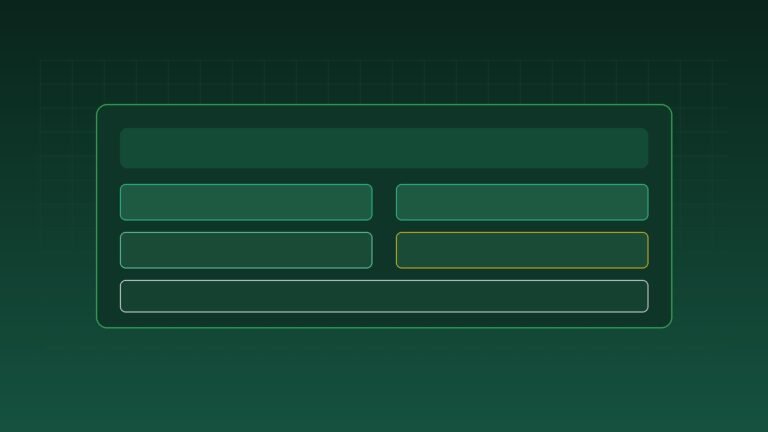
Luồng xử lý tuân thủ với Google Vault
Thách thức triển khai và rào cản vận hành
Rào cản lớn nhất khi triển khai Google Vault nằm ở tư duy của người dùng cuối. Nhân viên thường cảm thấy bị theo dõi khi biết mọi email bị xóa vẫn nằm trong kho lưu trữ của công ty. Điều này không chỉ gây ra vấn đề về tâm lý mà còn làm phát sinh chi phí lưu trữ dữ liệu thừa không cần thiết trên Google Cloud. Để quản lý tốt, doanh nghiệp cần một chính sách rõ ràng: cái gì được lưu, lưu bao lâu và ai có quyền truy cập vào dữ liệu đó. Việc lạm dụng quyền truy cập Vault để “soi” nhân viên sẽ phá hủy văn hóa doanh nghiệp nhanh hơn bất kỳ rò rỉ dữ liệu nào.
Một rủi ro khác là sự phức tạp trong việc xuất dữ liệu. Nếu bạn cần xuất hàng Terabyte dữ liệu cho một vụ kiện, quá trình này tiêu tốn thời gian và tài nguyên tính toán đáng kể. Giải pháp ở đây không phải là tăng thêm dung lượng, mà là tinh chỉnh bộ lọc tìm kiếm (Search Query) ngay từ đầu để xuất đúng những gì cần thiết. Đừng bao giờ lưu tất cả mọi thứ nếu bạn không có kế hoạch quản lý những gì đã lưu.
Giải đáp thắc mắc thường gặp (FAQ)
Google Vault có thể khôi phục email đã xóa vào thùng rác không?
Không trực tiếp. Vault chỉ cung cấp khả năng tìm kiếm và xuất email đó ra tệp lưu trữ. Để khôi phục email trực tiếp vào hòm thư người dùng, bạn cần sử dụng các tính năng quản trị khác trong bảng điều khiển Workspace hoặc các công cụ backup bên thứ ba chuyên dụng.
Legal Hold có tốn thêm dung lượng lưu trữ không?
Có. Khi bạn đặt Legal Hold lên một tài khoản, mọi thay đổi hoặc xóa bỏ đều được Google Vault ghi lại. Dữ liệu này chiếm dung lượng trong hạn mức của tổ chức. Bạn cần cân nhắc giữa chi phí lưu trữ và giá trị pháp lý của thông tin đó.
Tôi có thể chặn quản trị viên khác truy cập dữ liệu trong Vault không?
Có thể thông qua phân quyền (Privileges). Hãy giới hạn quyền truy cập Vault cho một nhóm nhỏ nhân sự pháp chế hoặc quản trị viên cấp cao nhất để đảm bảo tính riêng tư và ngăn chặn việc lạm dụng thông tin nội bộ.
Việc làm chủ các công cụ quản trị dữ liệu là bài toán khó của mọi doanh nghiệp. Nếu bạn đang loay hoay trong việc thiết lập hệ thống bảo mật, tối ưu hóa quy trình làm việc trên Workspace hoặc cần một đơn vị đồng hành tin cậy, Hộ kinh doanh Nguyễn Thông (NIE.vn) với kinh nghiệm triển khai phần mềm bản quyền và giải pháp E-learning là lựa chọn thực tế. Chúng tôi tập trung vào việc tạo ra những giá trị bền vững thay vì những lời hứa hẹn hào nhoáng. Hãy để công nghệ phục vụ doanh nghiệp của bạn, thay vì trở thành gánh nặng quản lý.
2. English Version
Most businesses today operate under a dangerous misconception: they believe that hitting “delete” on an email or a file in Google Drive means it’s gone forever. They are wrong. Confusing the standard “Trash” feature with the rigorous requirements of legal data retention is a significant vulnerability. It is the primary reason why many organizations lose critical data when a legal dispute arises. When a subpoena arrives, having an IT staffer frantically scramble to recover data deleted six months ago is not a security defense; it is an administrative failure of the highest order.
Google Vault is not your typical “copy-paste” personal backup tool. It is a robust retention policy engine and eDiscovery platform engineered specifically to preserve data as required by law. While many view it as an “insurance policy” for data, in reality, without precise configuration, Google Vault is merely an empty black box—or worse, a repository of legal liability. Understanding the fundamental architecture of Google Workspace Vault is a prerequisite before you sign any security commitment with clients or regulatory authorities.
The Core Essence of Google Vault in Data Governance
Google Vault operates on the twin pillars of “Legal Holds” and “Retention Rules.” Rather than performing snapshot backups based on time, the tool intercepts the deletion workflow of the Workspace system. When you enforce a retention policy, you compel Google to preserve copies of data—including emails, Chat history, and document versions—even after a user hits the delete button. This is the crucial distinction between voluntary archival and mandatory legal compliance.
However, the danger lies in conflicting configurations. If you establish retention durations that clash across different applications or accounts, data might be purged earlier than intended or, conversely, stored indefinitely, creating unnecessary data bloat and privacy risks. It is vital to remember that Vault is not a substitute for a comprehensive Backup & Disaster Recovery (BDR) system; it does not allow for the rapid, granular restoration of a user’s entire folder structure if an account is compromised or hit by ransomware. Understanding this boundary is essential for survival.
Practical Value and Governance Comparison
| Criteria | Google Vault | Standard Backup |
|---|---|---|
| Primary Purpose | Legal Compliance & eDiscovery | Disaster Recovery |
| Recovery Latency | High (requires search & export) | Low (rapid restoration) |
| Intervention Capability | Prevents permanent data deletion | Periodic data replication |
The Compliance Workflow with Google Vault
Implementation Challenges and Operational Hurdles
The most significant hurdle in deploying Google Vault is the end-user mindset. Employees often feel surveilled when they realize that every email they delete remains within the company’s grasp. This doesn’t just create psychological friction; it also generates costs for storing redundant data on Google Cloud. To manage this effectively, businesses need a transparent data governance policy: define exactly what is stored, for how long, and who holds the keys. Misusing Vault access to “spy” on employees will erode company culture far faster than any potential data breach ever could.
Another risk is the complexity of data exports. If you are required to export terabytes of data for litigation, the process is incredibly time-consuming and computationally expensive. The solution is not to simply increase storage quotas, but to refine your search queries at the outset to export only what is strictly necessary. Never store everything if you do not have a robust plan for managing what you have saved.
Frequently Asked Questions (FAQ)
Can Google Vault recover emails that have been deleted to the trash?
Not directly. Vault does not function as a “restore” button for the end-user’s inbox. Instead, it provides the capability to search for and export that email into a preservation archive. To restore an email directly back into a user’s inbox, you would need to utilize other administrative features within the Workspace console or a specialized third-party backup solution.
Does a Legal Hold consume additional storage?
Yes. When you place a Legal Hold on an account, every modification or deletion is tracked and archived by Google Vault. This data counts against your organization’s storage quota. You must carefully weigh the balance between storage costs and the legal necessity of that information.
Can I restrict other administrators from accessing data in Vault?
Yes, through granular Privileges. You should limit Vault access to a small, vetted group of legal personnel or high-level administrators to ensure privacy and prevent the misuse of sensitive internal information.
Mastering data governance tools is an uphill battle for any enterprise. If you find yourself struggling to configure security systems, optimize your Workspace workflows, or if you simply need a trusted partner, Nguyen Thong Business (NIE.vn) provides expert guidance in software licensing and E-learning solutions. We focus on building sustainable, long-term value rather than offering flashy, empty promises. Let technology serve your business, rather than becoming an administrative burden.
3. 中文版
目前,大多数企业仍然存在一个严重的误区:认为从 Google Drive 或电子邮箱中删除数据就意味着它们已经彻底消失。这是一个极其危险的错觉。企业往往混淆了“回收站”清理功能与法律合规存储需求之间的界限,而这正是许多机构在面临法律纠纷时,导致核心数据丢失、处于被动地位的最大漏洞。当法律传票送达时,如果IT人员还在手忙脚乱地尝试恢复半年前删除的数据,这绝不是防御策略,而是一次彻头彻尾的管理失职。
Google Vault 并非传统意义上的“复制粘贴”式个人数据备份工具。它是一套专门为满足法律合规要求而设计的“保留策略”(Retention Policy)与电子取证(eDiscovery)系统。许多人将其视为数据安全的“保险单”,但事实是,如果缺乏严谨的配置,Google Vault 不过是一个空洞的黑匣子,甚至潜藏着巨大的法律风险。在您签署任何针对客户或监管机构的安全承诺书之前,深刻理解 Google Workspace Google Vault 的本质是先决条件。
Google Vault 在数据治理中的核心本质
Google Vault 的运作机制建立在“法律保留”(Legal Hold)和“保留规则”(Retention Rule)两大基石之上。与传统定时备份不同,该工具直接干预 Workspace 的底层删除逻辑。当您设定了一项保留策略时,即强制 Google 保留所有数据副本——包括电子邮件、Chat 聊天记录及文档的历史版本,即使终端用户手动执行了删除操作,这些数据依然会被封存。这就是“自愿备份”与“强制合规”之间的本质区别。
然而,过度配置或配置冲突往往会带来二次风险。如果您在不同应用程序或账户之间设置了相互矛盾的保留期限,数据可能会比预期更早被销毁;反之,若设置不当,无用的历史数据将长期存在,造成存储空间的冗余。必须明确的是,Vault 无法替代传统的“备份与灾难恢复”(Backup & Disaster Recovery)系统,因为它无法在账户遭遇攻击或勒索软件加密时,实现全结构化数据的快速一键还原。认清这一边界,对企业的生存至关重要。
实际价值与管理效率对比
| 指标 | Google Vault | 常规备份 |
|---|---|---|
| 主要目标 | 法律合规与电子取证 | 技术故障后的快速恢复 |
| 恢复延迟 | 高(需经过搜索与导出流程) | 低(支持快速批量恢复) |
| 干预能力 | 拦截删除,确保数据留存 | 定期克隆数据快照 |
Google Vault 合规处理流程
部署挑战与运营障碍
部署 Google Vault 时,最大的阻碍往往源于终端用户的认知偏差。当员工意识到即便删除的邮件仍被公司留存时,心理上难免会产生被“监视”的不适感。这不仅涉及管理层与员工之间的信任危机,还会因无限制的数据积压而产生不必要的 Google Cloud 存储费用。有效的管理策略要求企业明确三点:保留什么、保留多久、谁有权访问。如果滥用 Vault 访问权限来“窥探”员工隐私,其对企业文化的破坏力远超任何潜在的数据泄露事件。
另一个现实风险是数据导出过程的复杂性。在应对涉及数 TB 数据的诉讼时,导出过程极其耗时且占用巨大的计算资源。解决之道不在于盲目增加存储容量,而在于从源头优化“搜索查询”(Search Query),以确保导出数据的精准度。永远不要在没有明确管理计划的前提下,盲目存储所有信息。
常见问题解答 (FAQ)
Google Vault 能否将已清空回收站的邮件恢复到用户收件箱?
不能直接实现。Vault 仅提供针对该类邮件的搜索与导出功能。若需将邮件直接还原至用户收件箱,您需要结合 Workspace 控制台的其他管理功能,或使用专业的第三方备份解决方案。
开启“法律保留”(Legal Hold)会占用额外存储空间吗?
是的。当您对某个账户设置法律保留时,Google Vault 会记录下该账户的所有更改与删除历史。这些数据会占用组织分配的存储额度。企业必须权衡存储成本与这些信息背后的法律价值。
我可以限制其他管理员访问 Vault 中的数据吗?
可以通过权限管理(Privileges)实现。建议将 Vault 的访问权限仅授予极少数的法务人员或最高权限管理员,以确保信息安全并防止内部信息的滥用。
掌握数据治理工具是每一家现代企业的必修课。如果您正困扰于如何构建稳固的合规体系、优化 Workspace 工作流程,或正在寻找值得信赖的合作伙伴,Nguyen Thong (NIE.vn) 凭借其在正版软件部署及在线教育(E-learning)解决方案方面的丰富经验,是您的理想选择。我们致力于为您提供可持续的长期价值,而非虚假的承诺。让技术真正服务于您的业务,而非成为沉重的管理负担。
🤖 Đội Ngũ AI Tự Hành 24/7
Tự động hóa quy trình nghiệp vụ, cào dữ liệu, xử lý tài liệu và đối soát báo cáo liên tục không ngừng nghỉ.
✍️ AI Sáng Tạo Nội Dung
Tự động viết bài chuẩn SEO, thiết kế Infographic và phân phối đa kênh lên Website, Facebook Fanpage.
🔗 Kết Nối n8n & Webhooks
Tích hợp liền mạch với Google Workspace, CRM, Zalo OA, Telegram và hệ thống cơ sở dữ liệu doanh nghiệp.
🧠 Đa Mô Hình AI Tiên Tiến
Ứng dụng linh hoạt Google Gemini Pro, OpenAI GPT, Claude 3.5 và các mô hình mã nguồn mở DeepSeek/Ollama.
🎓 Khóa Học AI Thực Chiến
Chương trình đào tạo từ cơ bản đến nâng cao: Làm chủ AI Agents, Prompt Engineering và Tự động hóa 0đ chi phí.
💎 Tài Khoản AI Doanh Nghiệp
Cung cấp gói tài khoản Google One 2TB, Gemini Advanced, ChatGPT Plus bản quyền giá ưu đãi.
🏢 Đơn Vị Pháp Lý Rõ Ràng
HỘ KINH DOANH CÔNG NGHỆ VÀ GIÁO DỤC NGUYỄN THÔNG (MST: 6000861747-001). Cung cấp hóa đơn và hợp đồng đầy đủ.
🔒 Bảo Mật Dữ Liệu Khách Hàng
Tuân thủ nghiêm ngặt Nghị định 13/2023/NĐ-CP về bảo vệ dữ liệu cá nhân và bí mật kinh doanh của khách hàng.