
1. Phiên bản Tiếng Việt
Hàng ngàn bài viết chất lượng cao vẫn nằm im lìm trong bóng tối, không một lượt truy cập tự nhiên nào ghé thăm dù bạn đã dành hàng chục giờ để trau chuốt nội dung. Vấn đề không nằm ở tài viết lách, mà nằm ở Google. Khi Google Search Console báo đỏ, website của bạn đang bị “cô lập” khỏi bộ máy tìm kiếm toàn cầu. Nhiều quản trị viên web rơi vào cái bẫy tự mãn, tin rằng chỉ cần ấn nút “Yêu cầu lập chỉ mục” là xong. Nhưng thực tế lại khác. Việc ép buộc bot quét lại trang không phải là tấm thẻ bài vạn năng, đặc biệt nếu cấu trúc web của bạn chứa đầy lỗi kỹ thuật hoặc nội dung không mang lại giá trị thực sự cho người dùng.
Sự kiên nhẫn với Google là một sai lầm chết người. Các công cụ kiểm tra của Google thường xuyên cung cấp dữ liệu chậm trễ, đôi khi gây ra cảm giác hoang mang với những báo cáo “Lỗi server (5xx)” hoặc “URL bị loại trừ bởi thẻ noindex”. Hiểu rõ cơ chế vận hành của Search Console lập chỉ mục không chỉ là kỹ năng kỹ thuật, mà là cuộc chiến giành lại quyền kiểm soát hiển thị nội dung. Đừng để trang web của bạn trở thành một “thành phố ma” trên internet chỉ vì những cấu hình sai lệch mà bạn hoàn toàn có thể tự tay sửa chữa.
Bản chất cốt lõi của quá trình Indexing
Google không lập chỉ mục toàn bộ web ngay tức thì. Công cụ tìm kiếm này vận hành dựa trên các trình thu thập dữ liệu (bot) liên tục quét qua hàng tỷ liên kết. Khi một trang bị từ chối, nguyên nhân thường bắt nguồn từ lỗi cấu trúc điều hướng hoặc sự bất đồng bộ giữa tệp sitemap.xml và thực tế hiển thị trên trình duyệt. Việc đọc báo cáo lỗi không phải là đọc văn bản, đó là việc giải mã sự ưu tiên của thuật toán.
Khi bạn nhìn thấy thông báo lỗi “Khám phá – hiện chưa được lập chỉ mục”, điều đó có nghĩa là Google đã biết trang đó tồn tại nhưng quyết định tạm thời bỏ qua. Tại sao? Thường là do ngân sách thu thập dữ liệu (crawl budget) đã cạn kiệt hoặc nội dung quá mỏng, thiếu tính chuyên sâu. Nếu cứ cố tình yêu cầu index lại hàng loạt trang kém chất lượng, bạn sẽ nhận được một hình phạt vô hình: độ tin cậy của tên miền giảm mạnh trong mắt thuật toán.
Lợi ích của việc kiểm soát báo cáo
| Trạng thái | Hành động ưu tiên | Tác động đến thứ hạng |
|---|---|---|
| Lỗi Server 5xx | Kiểm tra Hosting/DNS | Nguy hại (Rớt hạng nhanh) |
| Chuyển hướng lỗi | Sửa cấu trúc Redirect | Trung bình (Mất trải nghiệm) |
| Noindex tag | Loại bỏ thẻ cản trở | Tích cực (Kích hoạt index) |
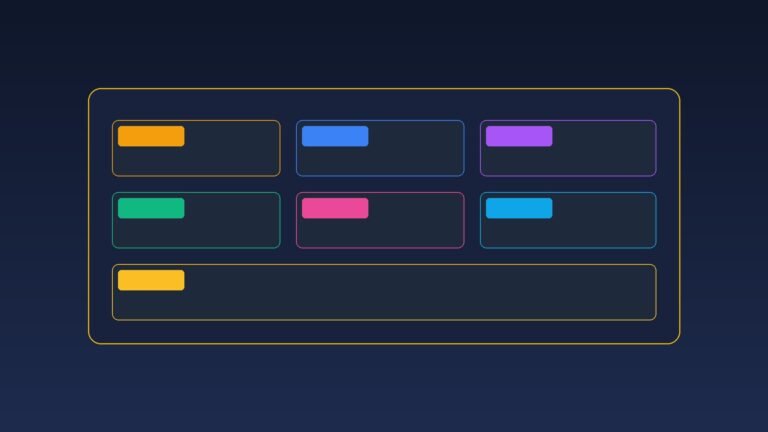
Quy trình xử lý Index từ A-Z
Kiểm tra GSC
Sửa lỗi mã nguồn
Validate lại URL
Thách thức và giải pháp kỹ thuật
Rào cản lớn nhất không nằm ở kỹ thuật, mà ở tính nhất quán. Nhiều trang web cập nhật sitemap nhưng quên khai báo trong GSC, hoặc tệ hơn là sử dụng file robots.txt chặn nhầm các thư mục quan trọng. Nếu bạn đang đối mặt với việc lỗi index không biến mất sau khi đã sửa, khả năng cao là do bộ nhớ đệm (cache) của CDN hoặc plugin bảo mật đang “nhốt” phiên bản cũ lại.
Để giải quyết dứt điểm, hãy sử dụng tính năng “Kiểm tra URL” (URL Inspection) thường xuyên. Nhấn vào “Kiểm tra URL đang hoạt động” để xem chính xác những gì bot thấy ngay lúc này. Nếu mã trạng thái là 200 (OK), bạn mới nên ấn nút yêu cầu lập chỉ mục. Đừng làm điều này một cách máy móc cho toàn bộ website, chỉ thực hiện trên các trang quan trọng nhất. Yêu cầu quá nhiều trong thời gian ngắn là cách nhanh nhất để tài khoản bị Google liệt vào danh sách spam.
Câu hỏi thường gặp về Indexing
Tại sao trang của tôi đã yêu cầu lập chỉ mục 1 tuần rồi mà vẫn chưa xuất hiện?
Google không cam kết thời gian lập chỉ mục. Nếu trang web của bạn mới, có độ uy tín thấp (Authority) hoặc nội dung tương đồng với hàng triệu trang khác, thuật toán sẽ không ưu tiên tài nguyên để quét. Tập trung vào việc xây dựng backlink và cải thiện tín hiệu người dùng là cách duy nhất để tăng tốc độ này.
Tôi có nên xóa các trang bị lỗi 404 khỏi sitemap không?
Chắc chắn là có. Việc để các liên kết chết (broken links) trong sitemap gửi tín hiệu sai lệch đến bot, làm lãng phí ngân sách thu thập dữ liệu quý giá của bạn.
Công cụ “Yêu cầu lập chỉ mục” có thực sự hiệu quả không?
Nó chỉ hiệu quả khi trang web của bạn đã sạch lỗi. Nó giống như một lời nhắc nhở nhẹ nhàng thay vì một mệnh lệnh. Nếu bản chất trang web của bạn bị chặn bởi cấu hình bảo mật hoặc nội dung kém, dù bạn nhấn nút hàng nghìn lần, kết quả vẫn là con số không tròn trĩnh.
Kết luận
Google Search Console là công cụ định danh sức khỏe kỹ thuật cho bất kỳ ai muốn nghiêm túc với con đường kinh doanh trực tuyến. Tuy nhiên, đừng quá phụ thuộc vào những con số báo cáo tự động. Kỹ thuật SEO cần sự can thiệp từ tư duy chiến lược và am hiểu mã nguồn. Nếu bạn cảm thấy quá tải với những cấu hình kỹ thuật phức tạp hay cần một hạ tầng web vững chắc ngay từ đầu, hãy để đội ngũ chuyên gia của Nguyễn Thông (NIE.vn) hỗ trợ. Từ thiết kế website chuẩn SEO cho đến các giải pháp phần mềm bản quyền và E-learning, chúng tôi cung cấp nền tảng công nghệ giúp bạn tập trung hoàn toàn vào giá trị kinh doanh cốt lõi thay vì loay hoay với những lỗi lập chỉ mục kéo dài.
2. English Version
Thousands of high-quality articles remain buried in the digital shadows, devoid of a single organic visitor despite the countless hours you poured into crafting them. The problem isn’t your writing prowess; it’s Google. When Google Search Console (GSC) flashes red, your website is essentially “quarantined” from the global search engine ecosystem. Many webmasters fall into the trap of complacency, believing that simply clicking “Request Indexing” is a magical fix-all. In reality, it is nothing of the sort. Forcing a re-crawl is not a universal pass, especially if your site architecture is riddled with technical debt or if your content fails to provide genuine value to the end-user.
Patience with Google can be a fatal mistake, yet reacting blindly is just as dangerous. Google’s diagnostic tools often provide delayed insights, leading to widespread panic over “Server error (5xx)” reports or “URL excluded by noindex tag.” Mastering the mechanics of Search Console indexing is not merely a technical skill—it is a strategic battle to reclaim control over your content’s visibility. Do not allow your website to descend into a “ghost town” on the internet simply because of misconfigurations that are well within your power to repair.
The Core Essence of the Indexing Process
Google does not index the entire web instantaneously. The search engine operates through sophisticated crawlers (bots) that continuously scan billions of links. When a page is rejected, the root cause usually stems from structural navigation flaws or a synchronization mismatch between your sitemap.xml file and the actual version of the page rendered in a browser. Reading error reports isn’t just about processing text; it’s about decoding the algorithm’s priorities.
When you encounter the “Discovered – currently not indexed” status, it means Google knows the page exists but has opted to ignore it for the time being. Why? Most often, your crawl budget has been exhausted, or the content is too thin, lacking the depth required to justify inclusion. If you persistently force the indexing of low-quality pages, you risk an invisible penalty: a sharp decline in domain authority in the eyes of the search algorithm.
The Strategic Advantage of Reporting Control
| Status | Priority Action | Impact on Ranking |
|---|---|---|
| 5xx Server Error | Check Hosting/DNS | Critical (Rapid Drop) |
| Redirect Error | Repair Redirect Chain | Moderate (User Experience) |
| Noindex Tag | Remove Blocking Tag | Positive (Triggers Index) |
The A-Z Indexing Workflow
Analyze GSC Reports
Fix Source Code Errors
Validate the URL
Technical Challenges and Proven Solutions
The greatest barrier isn’t technical complexity; it is consistency. Many websites update their sitemaps but neglect to declare them in GSC, or worse, use robots.txt files to inadvertently block high-priority directories. If you find that indexing errors persist despite your fixes, the culprit is often a stale cache held by your CDN or a security plugin that is “trapping” an outdated version of your site.
For a definitive resolution, leverage the “URL Inspection” tool frequently. Always click “Test Live URL” to see exactly what Google’s bot sees at this very moment. If the status code returns 200 (OK), only then should you hit the request indexing button. Do not perform this mechanically for your entire site; focus your efforts on the most high-value pages. Requesting indexing for hundreds of URLs in a short window is the fastest way to flag your account as spam.
Frequently Asked Questions About Indexing
Why hasn’t my page appeared in search results even after requesting indexing a week ago?
Google does not guarantee a specific indexing timeline. If your site is new, has low domain authority, or features content that mirrors millions of other pages, the algorithm will not prioritize resources to scan it. Focusing on building legitimate backlinks and improving user signals is the only sustainable way to accelerate this process.
Should I remove 404 error pages from my sitemap?
Absolutely. Keeping broken links in your sitemap sends conflicting signals to crawlers and wastes your precious crawl budget on dead ends.
Is the “Request Indexing” tool actually effective?
It is only effective when your site is fundamentally “clean.” Think of it as a polite nudge rather than a forceful command. If your site is inherently blocked by security configurations or thin content, you could click that button a thousand times, and the result would remain unchanged.
Final Thoughts
Google Search Console is the ultimate health diagnostic for anyone serious about digital entrepreneurship. However, never fall into the trap of over-relying on automated reports. True SEO requires the intersection of strategic thinking and deep technical knowledge. If you feel overwhelmed by complex configurations or require a robust, enterprise-grade web infrastructure, allow the experts at Nguyen Thong (NIE.vn) to assist. From SEO-optimized web development to licensed software and E-learning solutions, we provide the technological backbone that allows you to focus entirely on your core business value, rather than struggling with perpetual indexing errors.
3. 中文版
成千上万篇高质量的文章正沉睡在黑暗的角落,尽管你花费数十小时打磨内容,却依然换不来一个自然流量。问题的核心并不在于你的文笔,而在于谷歌(Google)。当 Google Search Console(GSC)亮起红灯时,意味着你的网站正在被全球搜索引擎“隔离”。许多站长陷入了自满的陷阱,天真地认为只需点击“请求编入索引”按钮就万事大吉了。然而现实往往更为残酷:强行要求爬虫重新抓取并非万能药,尤其是当你的网站结构充斥着技术性漏洞,或者内容本身无法为用户提供实质价值时。
对谷歌抱有无谓的耐心是一个致命的错误。谷歌的测试工具反馈的数据往往存在滞后性,有时还会抛出诸如“服务器错误 (5xx)”或“通过 noindex 标记排除的 URL”等令人困惑的报告。深刻理解 Search Console 的索引运作机制,不仅是一项技术技能,更是夺回内容展示权的一场博弈。别让你的网站仅仅因为一些完全可以修复的配置偏差,而沦为互联网上的“鬼城”。
索引过程的核心本质
谷歌并不会瞬间将整个网站编入索引。这一搜索引擎依赖于不断扫描数十亿链接的抓取工具(爬虫)。当一个页面被拒绝时,原因通常源于导航结构错误,或者是 sitemap.xml 文件与浏览器显示的实际内容之间存在不同步。阅读错误报告不仅仅是看文字,更是在解码算法的优先级逻辑。
当你看到“已发现 – 目前未编入索引”的错误通知时,这意味着谷歌已经知道该页面的存在,但决定暂时忽略它。为什么?通常是因为抓取预算(Crawl Budget)已耗尽,或者页面内容过于单薄,缺乏深度。如果你执意大量请求索引质量低下的页面,你将面临一种隐形的惩罚:域名权重在算法眼中的公信力会大幅下降。
掌控报告的商业价值
| 状态 | 优先操作 | 对排名的影响 |
|---|---|---|
| 服务器错误 5xx | 检查主机/DNS解析 | 极度危险(权重急速下降) |
| 重定向错误 | 修复重定向结构 | 中等(损害用户体验) |
| Noindex 标记 | 移除阻碍标签 | 积极(激活索引进程) |
从 A 到 Z 的索引修复流程
深度检查 GSC
源代码纠错
重新验证 URL
技术挑战与解决方案
最大的障碍往往不在于技术,而在于“一致性”。许多网站更新了 sitemap 却忘记在 GSC 中同步提交,或者更糟糕的是,错误地使用 robots.txt 文件封禁了关键目录。如果你发现修复后的索引错误依然存在,极有可能是 CDN 的缓存或安全插件在作祟,将旧版本的页面“囚禁”住了。
为了彻底解决问题,请养成频繁使用“URL 检查”(URL Inspection)功能的习惯。点击“测试实际运行的 URL”,以直观地查看爬虫此刻所见的内容。只有当状态码显示为 200 (OK) 时,你才应该点击请求索引按钮。切记,不要盲目地对整个网站进行批量操作,仅针对最重要的页面执行。在短时间内进行过多的请求,是让账号被谷歌标记为垃圾信息的捷径。
索引常见问题 FAQ
问:为什么我的页面已经请求编入索引一周了,却依然没有出现?
答:谷歌并不承诺具体的索引时效。如果你的网站是新站、权威度较低(Authority),或者内容与成千上万的现有页面高度雷同,算法就不会优先分配资源来扫描。专注于建立高质量反向链接并提升用户交互信号,是提升索引速度的唯一途径。
问:我应该从 sitemap 中删除 404 错误页面吗?
答:必须删除。在 sitemap 中保留死链(Broken Links)会向爬虫发送错误的信号,浪费宝贵的抓取预算。
问: “请求编入索引”工具真的有效吗?
答:只有在网站排除了技术故障的前提下才有效。它更像是一个温柔的提醒,而非命令。如果你的网站本质上被安全配置阻挡或内容质量低下,即便你按下一千次按钮,结果依然是零。
结语
Google Search Console 是每一位严肃投身在线商业者的技术体检报告。然而,不要过度依赖自动生成的数字指标。SEO 技术需要战略思维的介入以及对底层源码的洞察。如果你正被复杂的配置弄得焦头烂额,或者在寻求一套稳固的网站基础设施,不妨让 Nguyễn Thông (NIE.vn) 的专家团队为你助力。从 SEO 标准化的网站设计,到正版软件授权与在线学习解决方案,我们提供全方位的技术支撑,让你摆脱琐碎的索引错误困扰,专注于业务核心价值的增长。
🤖 Đội Ngũ AI Tự Hành 24/7
Tự động hóa quy trình nghiệp vụ, cào dữ liệu, xử lý tài liệu và đối soát báo cáo liên tục không ngừng nghỉ.
✍️ AI Sáng Tạo Nội Dung
Tự động viết bài chuẩn SEO, thiết kế Infographic và phân phối đa kênh lên Website, Facebook Fanpage.
🔗 Kết Nối n8n & Webhooks
Tích hợp liền mạch với Google Workspace, CRM, Zalo OA, Telegram và hệ thống cơ sở dữ liệu doanh nghiệp.
🧠 Đa Mô Hình AI Tiên Tiến
Ứng dụng linh hoạt Google Gemini Pro, OpenAI GPT, Claude 3.5 và các mô hình mã nguồn mở DeepSeek/Ollama.
🎓 Khóa Học AI Thực Chiến
Chương trình đào tạo từ cơ bản đến nâng cao: Làm chủ AI Agents, Prompt Engineering và Tự động hóa 0đ chi phí.
💎 Tài Khoản AI Doanh Nghiệp
Cung cấp gói tài khoản Google One 2TB, Gemini Advanced, ChatGPT Plus bản quyền giá ưu đãi.
🏢 Đơn Vị Pháp Lý Rõ Ràng
HỘ KINH DOANH CÔNG NGHỆ VÀ GIÁO DỤC NGUYỄN THÔNG (MST: 6000861747-001). Cung cấp hóa đơn và hợp đồng đầy đủ.
🔒 Bảo Mật Dữ Liệu Khách Hàng
Tuân thủ nghiêm ngặt Nghị định 13/2023/NĐ-CP về bảo vệ dữ liệu cá nhân và bí mật kinh doanh của khách hàng.