
1. Phiên bản Tiếng Việt
Hàng tá giờ đồng hồ bị lãng phí chỉ để cấu hình Kubernetes cluster, sửa lỗi file YAML hay vá lỗi bảo mật cho các node máy chủ. Đó là thực trạng của không ít đội ngũ kỹ thuật khi triển khai ứng dụng web. Nhiều người vẫn tin rằng việc tự tay quản lý hạ tầng sẽ mang lại sự kiểm soát tuyệt đối, nhưng thực tế, đó thường là cái bẫy về chi phí vận hành và hiệu suất. Khi một ứng dụng web gặp biến động về lưu lượng, việc giữ cho các máy chủ luôn sẵn sàng là một cơn ác mộng thực sự. Câu hỏi đặt ra không phải là liệu chúng ta có đủ nhân sự để “cày cuốc” hạ tầng hay không, mà là tại sao phải làm điều đó khi Google đã giải quyết phần việc khó nhằn nhất thông qua GCP Cloud Run?
Đây không phải là một bài ca ngợi dịch vụ đám mây đơn thuần. Cloud Run là lời đáp cho bài toán về sự lười biếng thông minh của kỹ sư phần mềm. Thay vì loay hoay với hạ tầng, bạn ném vào đó một container và nó tự chạy. Nghe thì có vẻ đơn giản, nhưng đằng sau sự đơn giản đó là những cơ chế phức tạp về định tuyến lưu lượng và tự động mở rộng quy mô. Việc từ bỏ quyền kiểm soát lớp hạ tầng khiến nhiều quản trị viên hệ thống cảm thấy bất an. Họ sợ mất khả năng tùy biến. Họ sợ vendor lock-in. Nhưng hãy nhìn thẳng vào sự thật: thời gian bạn dành để vá lỗi server là thời gian bạn không dành cho việc phát triển tính năng sản phẩm.
Bản chất vận hành: Chạy container mà không cần máy chủ
GCP Cloud Run vận hành dựa trên Knative, một chuẩn mở giúp chuẩn hóa cách thức container được triển khai trên nền tảng serverless. Bản chất của nó không phải là ảo hóa phần cứng mà là trừu tượng hóa môi trường chạy mã nguồn. Khi bạn đóng gói ứng dụng vào một container image chuẩn OCI, Cloud Run sẽ tự động xử lý toàn bộ khâu khởi tạo, quản lý tài nguyên tính toán và gỡ bỏ khi không còn yêu cầu. Khi có request đến, hệ thống ngay lập tức khởi động phiên bản container của bạn. Khi request biến mất, container cũng được tắt đi. Bạn chỉ trả tiền cho đúng miligiây mà code của bạn đang thực thi. Không có máy chủ nhàn rỗi. Không có phí ẩn cho việc duy trì trạng thái chờ.
Tuy nhiên, đừng hiểu lầm khái niệm “không máy chủ” (serverless) là không có máy chủ thực. Máy chủ vẫn ở đó, nhưng Google chịu trách nhiệm quản lý chúng. Bạn chỉ cần quan tâm đến container. Điểm mấu chốt ở đây là khả năng cô lập. Mỗi request được xử lý riêng biệt, đảm bảo sự ổn định ngay cả khi lưu lượng tăng đột biến. Nhưng cái giá của sự linh hoạt này là việc khởi động lạnh (cold start) nếu ứng dụng của bạn quá nặng nề hoặc cấu hình môi trường chưa chuẩn xác. Đó là điểm yếu chí mạng mà các kỹ sư thường bỏ qua khi lựa chọn giải pháp này.
So sánh giữa quản lý hạ tầng truyền thống và Cloud Run
| Tiêu chí | Hạ tầng truyền thống (VMs) | GCP Cloud Run |
|---|---|---|
| Quản trị | Cần nhân sự quản lý OS, patch, update | Zero-touch, Google tự động xử lý |
| Chi phí | Cố định theo tài nguyên đã thuê | Tính theo dung lượng sử dụng thực tế |
| Khả năng mở rộng | Thủ công hoặc cấu hình phức tạp | Tự động scale dựa trên lưu lượng |
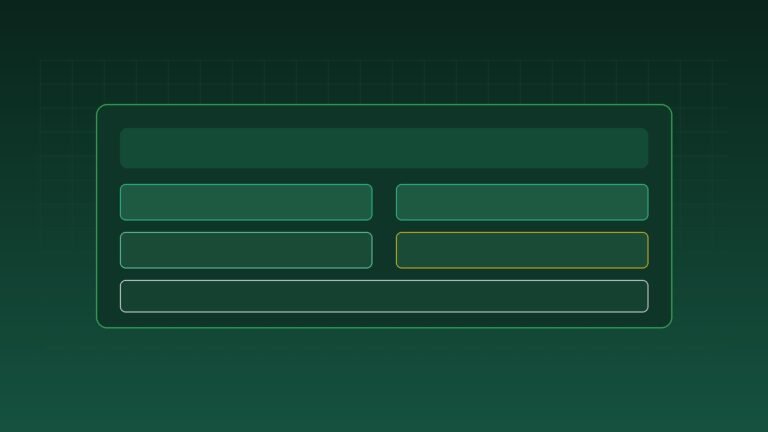
Quy trình vận hành container trên Cloud Run
Đóng gói app bằng Docker
Đẩy lên Artifact Registry
Cloud Run tự khởi chạy
Thách thức thực tế và giải pháp
Không có công nghệ nào là hoàn hảo. Vấn đề lớn nhất của Cloud Run nằm ở tính trạng thái (statefulness). Đây là môi trường stateless, nghĩa là mọi dữ liệu lưu cục bộ trong container sẽ biến mất khi container tắt. Rất nhiều lập trình viên thất bại vì cố lưu file ảnh hoặc session của người dùng trực tiếp trong ổ đĩa của container. Giải pháp duy nhất là sử dụng các dịch vụ bên ngoài như Cloud Storage hoặc Memorystore để đồng bộ dữ liệu. Nếu bạn định chạy các ứng dụng kế thừa (legacy app) đòi hỏi quyền truy cập sâu vào file system, hãy quên Cloud Run đi. Nó không dành cho bạn.
Một điểm yếu khác là vấn đề chi phí “ngoài tầm kiểm soát”. Dù trả tiền theo lượt request nghe rất kinh tế, nhưng nếu ứng dụng bị tấn công DDoS hoặc code bị lỗi dẫn đến vòng lặp vô tận, hóa đơn cuối tháng của bạn sẽ nhảy vọt đáng sợ. Việc thiết lập cảnh báo ngân sách (budget alerts) và giới hạn concurrency (độ đồng thời) cho mỗi instance là bắt buộc để ngăn chặn thảm họa tài chính. Kiểm soát chặt chẽ không bao giờ là thừa.
FAQ: Giải đáp những lo ngại kỹ thuật
Cloud Run có hỗ trợ ứng dụng chạy lâu (long-running process) không?
Có, nhưng giới hạn thời gian thực thi tối đa cho mỗi request là 60 phút. Nếu ứng dụng của bạn cần xử lý tác vụ background dài hơn thế, hãy sử dụng Cloud Tasks hoặc Cloud Pub/Sub kết hợp Cloud Functions để điều phối công việc thay vì bắt container phải “gồng” hết sức mình.
Việc debug trong môi trường không máy chủ có khó không?
Cực kỳ khó nếu thiếu logging. Bạn bắt buộc phải cấu hình Google Cloud Logging bài bản. Nếu chỉ dựa vào log in ra console, bạn sẽ sớm mất kiểm soát khi hệ thống mở rộng lên hàng trăm container đồng thời. Hãy tận dụng Cloud Trace để phân tích đường đi của request.
Làm sao để tránh vendor lock-in với GCP?
Cloud Run dựa trên Knative, một chuẩn mã nguồn mở. Điều này cho phép bạn mang image container của mình chạy ở bất kỳ đâu hỗ trợ Kubernetes mà không cần thay đổi quá nhiều cấu trúc mã nguồn. Sự linh hoạt nằm ở việc tuân thủ các chuẩn chung thay vì lạm dụng các dịch vụ độc quyền của GCP.
Triển khai ứng dụng web hiệu quả đòi hỏi sự kết hợp giữa kỹ thuật tinh gọn và chiến lược vận hành thông minh. Việc lựa chọn công nghệ chỉ là bước đầu; xây dựng nền tảng bền vững mới là mục tiêu dài hạn. Nếu bạn đang tìm kiếm giải pháp thiết kế website chuyên nghiệp, hệ thống phần mềm bản quyền an toàn, hay các chương trình đào tạo E-learning chuẩn hóa, Hộ kinh doanh Nguyễn Thông (NIE.vn) luôn sẵn sàng là đối tác đồng hành đáng tin cậy. Chúng tôi không chỉ cung cấp dịch vụ, chúng tôi cung cấp sự an tâm dựa trên những công nghệ thực chiến, giúp doanh nghiệp tập trung vào giá trị cốt lõi thay vì lạc lối trong ma trận kỹ thuật.
2. English Version
Dozens of hours wasted simply configuring Kubernetes clusters, debugging YAML files, or patching security vulnerabilities for server nodes. This is the grim reality for countless engineering teams deploying web applications. Many remain convinced that manual infrastructure management equates to absolute control; in reality, it is often a trap that drains both operational budget and performance. When a web application experiences traffic volatility, keeping servers ready and responsive becomes a true nightmare. The question isn’t whether we have enough staff to “grind” through infrastructure maintenance—the real question is: why would you, when Google has already solved the hardest parts through GCP Cloud Run?
This is not merely a eulogy for cloud services. Cloud Run is the definitive answer to the “smart laziness” of modern software engineers. Instead of wrestling with underlying infrastructure, you throw a container at it, and it just runs. It sounds deceptively simple, but underneath that veneer lies a sophisticated engine of traffic routing and auto-scaling. Surrendering control over the infrastructure layer makes many system administrators uneasy. They fear losing customization capabilities. They fear vendor lock-in. But let’s look at the truth: every minute you spend patching a server is a minute you aren’t spending developing product features.
Operational Essence: Running Containers Without Servers
GCP Cloud Run operates on the foundation of Knative, an open-source standard that normalizes how containers are deployed in a serverless environment. At its core, it is not about hardware virtualization, but about abstracting the code execution environment. When you package your application into an OCI-compliant container image, Cloud Run automatically handles the entire lifecycle: provisioning, resource management, and teardown when idle. When a request arrives, the system instantly spins up your container instance. When the request subsides, the container shuts down. You pay only for the exact milliseconds your code is executing. No idle servers. No hidden fees for maintaining a “warm” state.
However, do not mistake “serverless” for the absence of servers. The servers are still there; Google is simply the one responsible for managing them. You only care about the container. The key here is isolation. Each request is processed independently, ensuring stability even during sudden traffic spikes. The trade-off for this flexibility is the dreaded “cold start”—a latency penalty if your application is bloated or the environment configuration is sub-optimal. This is a critical weakness that engineers often overlook when choosing this solution.
Infrastructure Comparison: Traditional Management vs. Cloud Run
| Criteria | Traditional Infrastructure (VMs) | GCP Cloud Run |
|---|---|---|
| Administration | Requires staff for OS patches and updates | Zero-touch, fully managed by Google |
| Cost | Fixed cost based on provisioned resources | Pay-per-use based on actual consumption |
| Scalability | Manual or complex auto-scaling setup | Automatic scaling based on traffic |
The Container Operation Workflow on Cloud Run
Package app via Docker
Upload to Artifact Registry
Cloud Run auto-launches
Real-world Challenges and Solutions
No technology is a silver bullet. The most significant hurdle with Cloud Run is statefulness. It is inherently a stateless environment; any data stored locally within a container vanishes the moment it terminates. Many developers stumble by attempting to store user images or session data directly on the container’s disk. The only viable solution is to integrate external services like Cloud Storage or Memorystore for data synchronization. If you are planning to run legacy applications that require deep file system access, you should look elsewhere—Cloud Run is not the tool for you.
Another pitfall is the risk of “runaway costs.” While paying per request sounds incredibly economical, if your application is hit by a DDoS attack or a code bug results in an infinite loop, your monthly bill could skyrocket. Establishing budget alerts and setting concurrency limits per instance are mandatory safeguards to prevent financial disaster. Rigorous oversight is never redundant in a serverless ecosystem.
FAQ: Addressing Technical Concerns
Does Cloud Run support long-running processes?
It does, but with a maximum request timeout of 60 minutes. If your application needs to handle background tasks that exceed this, consider using Cloud Tasks or Cloud Pub/Sub in conjunction with Cloud Functions to orchestrate your workloads, rather than forcing the container to bear the entire burden.
Is debugging in a serverless environment difficult?
Extremely, if you lack robust logging. You are essentially required to configure Google Cloud Logging correctly. Relying solely on standard console output will lead to a loss of visibility as your system grows to hundreds of concurrent containers. Utilize Cloud Trace to map the lifecycle and path of your requests effectively.
How can I avoid vendor lock-in with GCP?
Cloud Run is built on Knative, an open-source standard. This allows you to migrate your container images to any environment that supports Kubernetes without needing a total rewrite of your codebase. True flexibility lies in adhering to common standards rather than over-relying on proprietary GCP features.
Effective web application deployment requires a fusion of lean engineering and intelligent operational strategy. Selecting technology is just the first step; building a sustainable foundation is the long-term goal. If you are seeking professional web design solutions, secure licensed software systems, or standardized E-learning training programs, Nguyen Thong Business (NIE.vn) stands ready as your trusted partner. We do not just provide services; we provide peace of mind based on battle-tested technologies, empowering businesses to focus on core value rather than getting lost in the technical matrix.
3. 中文版
浪费数小时仅仅为了配置 Kubernetes 集群、调试 YAML 文件或是为服务器节点打安全补丁,这是许多技术团队在部署 Web 应用时面临的现实困境。许多人依然执着于“亲力亲为”地管理基础设施,认为这样能获得绝对的控制权,但事实往往恰恰相反——这通常是一个运维成本与性能效率的陷阱。当 Web 应用的流量出现剧烈波动时,如何保证服务器时刻处于可用状态简直是一场噩梦。现在的问题不再是我们是否有足够的资源来“苦战”底层架构,而是当 Google 已经通过 GCP Cloud Run 解决了最棘手的难题后,我们为什么还要继续绕弯路?
这并非一篇单纯的云服务软文。Cloud Run 是对软件工程师“聪明懒惰”哲学的一次完美回应。与其在繁杂的基础设施中苦苦挣扎,不如直接将容器交给 Cloud Run,它会自动接管一切。这听起来简单,但其背后支撑的是复杂而精密的流量路由机制与自动扩缩容逻辑。许多系统管理员会因为放弃对基础设施层的控制而感到不安,担心失去自定义能力,担心厂商绑定(vendor lock-in)。但让我们直面现实:你花在修补服务器上的时间,本该投入到产品的核心功能开发中。
运维本质:无服务器容器化运行
GCP Cloud Run 基于 Knative 构建,这是一个旨在标准化容器在无服务器(Serverless)平台上部署方式的开放标准。其本质并非硬件虚拟化,而是对源代码运行环境的极致抽象。当你将应用打包成标准的 OCI 容器镜像后,Cloud Run 会自动处理所有的初始化、资源调度以及任务卸载工作。当请求到达时,系统会瞬间启动你的容器实例;当请求消失时,容器随之关闭。你只需为代码实际运行的每一毫秒付费。没有闲置的服务器,也没有隐藏的待机成本。
当然,不要误解“无服务器”的概念,它并非指真的没有服务器。服务器依然存在,只是由 Google 负责管理。你只需要关注你的容器。这里的关键在于隔离性:每个请求被独立处理,确保即使流量突发,系统依然稳定。但这种灵活性的代价是“冷启动”(Cold Start)问题,尤其是当你的应用过重或环境配置不够精简时。这是工程师在选择该方案时最容易忽视的致命弱点。
传统基础设施与 Cloud Run 的深度对比
| 维度 | 传统基础设施 (VMs) | GCP Cloud Run |
|---|---|---|
| 管理维护 | 需要专人负责操作系统打补丁、更新与维护 | 零接触运维,由 Google 自动处理 |
| 计费模式 | 按租用资源固定计费 | 按实际使用量精确计费 |
| 扩展能力 | 手动配置或复杂的自动化策略 | 基于流量自动完成瞬时伸缩 |
Cloud Run 容器化运作流程
使用 Docker 封装应用
上传至 Artifact Registry
Cloud Run 自动启动
实战挑战与解决方案
没有任何技术是完美的。Cloud Run 最大的痛点在于“有状态性”(Statefulness)。这是一个无状态环境,意味着容器关闭时,所有本地存储的数据都会丢失。许多程序员因为试图直接在容器磁盘内存储用户图片或会话(Session)而遭遇失败。唯一的解决方案是使用外部服务,如 Cloud Storage 或 Memorystore 进行数据同步。如果你计划运行需要深度访问文件系统的遗留系统(Legacy App),请放弃 Cloud Run,它并不适合此类场景。
另一个隐患是“失控的成本”。虽然按请求数付费听起来非常经济,但如果应用遭遇 DDoS 攻击,或者代码逻辑缺陷导致死循环,月末的账单可能会让你大吃一惊。因此,设置预算警报(Budget Alerts)和为每个实例配置并发限制(Concurrency Limits)是防止财务灾难的强制性手段。严密的防御与监控永远不嫌多。
FAQ:技术疑难解答
Cloud Run 是否支持长时运行任务(Long-running process)?
支持,但每个请求的最长执行时间限制为 60 分钟。如果你的应用需要处理超过此时间的后台任务,建议使用 Cloud Tasks 或 Cloud Pub/Sub 配合 Cloud Functions 来进行任务调度,而不是让容器超负荷运转。
在 Serverless 环境下调试是否非常困难?
如果缺乏完善的日志系统,确实非常困难。你必须配置好 Google Cloud Logging。如果仅依赖控制台打印日志,当系统扩展到数百个并发容器时,你很快就会失去对全局的把控。请务必利用 Cloud Trace 来分析请求全链路,这能让你事半功倍。
如何避免被 GCP 厂商锁定?
Cloud Run 基于开源的 Knative 标准,这允许你在任何支持 Kubernetes 的平台上运行你的容器镜像,而无需对源码进行大规模重构。真正的灵活性源于遵守通用标准,而非过度依赖某一家云厂商的独有服务。
高效部署 Web 应用需要将精简的工程实践与智能的运维策略相结合。选择技术仅仅是第一步,构建可持续发展的底层逻辑才是长期的终极目标。如果您正在寻求专业的网站设计解决方案、安全合规的软件系统,或标准化的在线教育培训方案,阮通商业(NIE.vn)随时准备成为您值得信赖的合作伙伴。我们提供的不仅仅是服务,更是基于实战技术带来的安全感,助力企业专注于核心价值,拒绝迷失在复杂的技术迷宫中。
🤖 Đội Ngũ AI Tự Hành 24/7
Tự động hóa quy trình nghiệp vụ, cào dữ liệu, xử lý tài liệu và đối soát báo cáo liên tục không ngừng nghỉ.
✍️ AI Sáng Tạo Nội Dung
Tự động viết bài chuẩn SEO, thiết kế Infographic và phân phối đa kênh lên Website, Facebook Fanpage.
🔗 Kết Nối n8n & Webhooks
Tích hợp liền mạch với Google Workspace, CRM, Zalo OA, Telegram và hệ thống cơ sở dữ liệu doanh nghiệp.
🧠 Đa Mô Hình AI Tiên Tiến
Ứng dụng linh hoạt Google Gemini Pro, OpenAI GPT, Claude 3.5 và các mô hình mã nguồn mở DeepSeek/Ollama.
🎓 Khóa Học AI Thực Chiến
Chương trình đào tạo từ cơ bản đến nâng cao: Làm chủ AI Agents, Prompt Engineering và Tự động hóa 0đ chi phí.
💎 Tài Khoản AI Doanh Nghiệp
Cung cấp gói tài khoản Google One 2TB, Gemini Advanced, ChatGPT Plus bản quyền giá ưu đãi.
🏢 Đơn Vị Pháp Lý Rõ Ràng
HỘ KINH DOANH CÔNG NGHỆ VÀ GIÁO DỤC NGUYỄN THÔNG (MST: 6000861747-001). Cung cấp hóa đơn và hợp đồng đầy đủ.
🔒 Bảo Mật Dữ Liệu Khách Hàng
Tuân thủ nghiêm ngặt Nghị định 13/2023/NĐ-CP về bảo vệ dữ liệu cá nhân và bí mật kinh doanh của khách hàng.