
1. Phiên bản Tiếng Việt
Hàng ngàn chủ shop vẫn đang loay hoay với việc cập nhật kho hàng thủ công. Họ copy-paste từng thông số, chỉnh sửa giá bán trên từng danh mục sản phẩm, để rồi nhận ra dữ liệu vẫn sai lệch so với phần mềm quản lý bán hàng. Sự lạc hậu này không chỉ tiêu tốn thời gian mà còn khiến lòng tin của khách hàng rạn nứt khi đặt hàng xong mới biết hết món. Nhiều người tin rằng chỉ cần cài plugin là xong, nhưng khi quy mô tăng lên, hệ thống sẽ sụp đổ. Đồng bộ WooCommerce API không phải là một món đồ chơi cài đặt bằng vài cú nhấp chuột; đó là một bài toán hạ tầng đòi hỏi sự am hiểu về cấu trúc dữ liệu và khả năng xử lý bất đồng bộ.
Việc kết nối WooCommerce với các nguồn dữ liệu bên ngoài qua REST API không chỉ đơn thuần là gửi và nhận thông tin. Nó là quá trình định nghĩa lại luồng vận hành của doanh nghiệp. Bạn không chỉ đẩy dữ liệu lên web, mà là đang tạo ra một “đường ống” truyền dẫn thông tin liên tục, nơi mỗi giây trễ nhịp đều có thể dẫn đến việc mất doanh thu hoặc sai lệch tồn kho. Câu hỏi đặt ra không phải là làm sao để đồng bộ, mà là làm sao để đồng bộ mà không làm chậm website hay gây quá tải cho máy chủ. Rất nhiều người thất bại vì bỏ qua yếu tố này.
Bản chất của cơ chế đồng bộ và khả năng tự động hóa
WordPress REST API hoạt động dựa trên phương thức HTTP quen thuộc, bao gồm GET, POST, PUT và DELETE. Khi bạn muốn đăng bài hoặc cập nhật sản phẩm tự động từ bên ngoài, bạn thực chất đang gửi các yêu cầu JSON xác thực bằng cặp khóa Consumer Key và Consumer Secret. Vấn đề nằm ở chỗ, nếu bạn gửi hàng nghìn yêu cầu cùng lúc (batch requests), website sẽ từ chối kết nối ngay lập tức hoặc phản hồi cực chậm. Bản chất của việc vận hành ổn định nằm ở khả năng kiểm soát số lượng yêu cầu (rate limiting) và xử lý phân đoạn dữ liệu thông minh.
Để đăng bài tự động, bạn cần cấu trúc dữ liệu chuẩn xác theo schema của WooCommerce. Một lỗi nhỏ trong định dạng JSON cũng khiến API từ chối phản hồi. Điều này đòi hỏi người thực hiện phải nắm vững cấu trúc endpoint của WooCommerce (như /wp-json/wc/v3/products). Đừng quá phụ thuộc vào các thư viện trung gian nếu bạn không hiểu cơ chế phía sau, vì khi xảy ra lỗi kết nối, bạn sẽ rơi vào ma trận của các dòng log dày đặc mà không biết truy vết từ đâu.
So sánh giữa việc tự triển khai và sử dụng giải pháp kết nối
| Tiêu chí | Tự code API | Giải pháp chuyên dụng |
|---|---|---|
| Chi phí vận hành | Thấp, nhưng tốn công bảo trì | Phí thuê bao, ổn định cao |
| Khả năng tùy biến | Toàn diện, không giới hạn | Hạn chế trong khung chức năng |
| Rủi ro kỹ thuật | Cao, dễ lỗi bảo mật | Thấp, được chuẩn hóa |
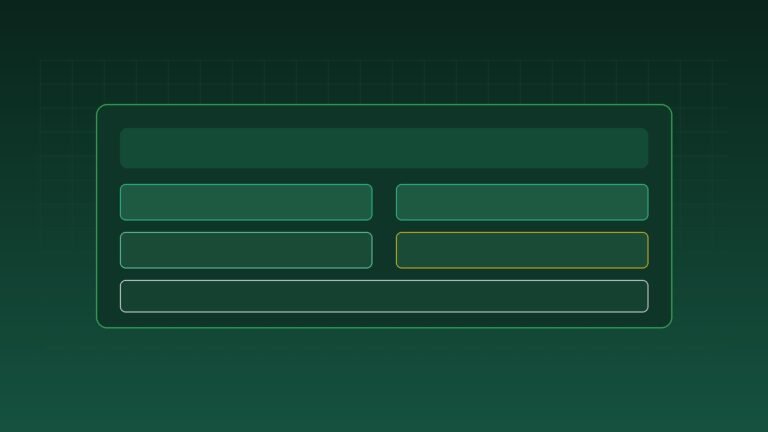
Quy trình luồng dữ liệu API
Đảm bảo xác thực SSL và giới hạn băng thông để tránh treo hệ thống.
Thách thức triển khai và giải pháp thực tế
Rào cản lớn nhất khi thực hiện đồng bộ WooCommerce API chính là xung đột dữ liệu. Khi bạn có hai nguồn dữ liệu cùng cập nhật một SKU, thông tin nào sẽ được ưu tiên? Nếu không thiết lập logic ưu tiên (Priority Rules) ngay từ đầu, website của bạn sẽ trở thành một mớ hỗn độn. Sự thiếu hụt về xử lý lỗi (error handling) cũng là một “tử huyệt”. Hãy tưởng tượng hệ thống gửi yêu cầu trong lúc server đang bảo trì hoặc đạt ngưỡng request tối đa; nếu không có cơ chế “hàng đợi” (queue) hoặc “thử lại” (retry logic), dữ liệu sẽ vĩnh viễn bị mất mà bạn không hề hay biết.
Một giải pháp khả thi là sử dụng các công cụ quản lý hàng đợi như Redis để lưu trữ tạm thời trước khi đẩy vào database chính. Ngoài ra, hãy luôn tách biệt môi trường thử nghiệm (staging) và môi trường thực tế (production). Đừng bao giờ thử nghiệm các script API trực tiếp trên website đang kinh doanh. Chỉ cần một lỗi trong vòng lặp (loop) cũng đủ khiến cơ sở dữ liệu của bạn bị ghi đè hoặc crash hoàn toàn.
Câu hỏi thường gặp
Làm thế nào để xử lý giới hạn tốc độ của WordPress API?
Bạn nên áp dụng kỹ thuật “phân trang” (pagination) và gửi các gói dữ liệu nhỏ. Thay vì gửi 100 sản phẩm cùng lúc, hãy chia nhỏ thành 10 gói, mỗi gói 10 sản phẩm và thêm độ trễ (delay) vài giây giữa mỗi lần gửi để server có thời gian xử lý.
Dữ liệu sản phẩm bị sai sau khi đồng bộ, nguyên nhân do đâu?
Thường là do sự khác biệt giữa múi giờ của server API và WooCommerce, hoặc cấu trúc dữ liệu JSON không khớp với định dạng mong đợi của WooCommerce. Hãy kiểm tra lại header “Content-Type: application/json” và chắc chắn rằng dữ liệu gửi đi đã được encode chuẩn UTF-8.
Làm sao để bảo mật kết nối API?
Chỉ sử dụng HTTPS. Luôn tạo các API Key riêng biệt với quyền hạn (permissions) giới hạn tối đa. Nếu chỉ cần đọc dữ liệu, đừng bao giờ cấp quyền ghi (write/delete) cho key đó. Đặc biệt, hãy lưu khóa API trong file môi trường (.env) thay vì nhúng trực tiếp vào source code.
Đồng bộ dữ liệu không đơn giản là việc kết nối kỹ thuật, mà là sự tối ưu hóa tư duy quản trị. Nếu bạn cảm thấy quá trình này vượt quá khả năng kiểm soát hoặc tiềm ẩn quá nhiều rủi ro, hãy tìm đến sự hỗ trợ chuyên sâu. Tại NIE.vn, chúng tôi cung cấp các giải pháp công nghệ toàn diện từ thiết kế website chuẩn SEO cho đến xây dựng phần mềm bản quyền và hệ thống E-learning chuyên nghiệp. Với kinh nghiệm thực chiến từ Hộ kinh doanh Nguyễn Thông, chúng tôi cam kết mang lại sự ổn định và hiệu suất cao nhất cho hệ thống của bạn, giúp bạn thoát khỏi những gánh nặng kỹ thuật để tập trung phát triển kinh doanh bền vững.
2. English Version
Thousands of shop owners are still struggling with manual inventory updates. They copy-paste individual specifications and painstakingly adjust pricing across product categories, only to realize that their data remains out of sync with their sales management software. This archaic approach is not just a massive time sink; it erodes customer trust when shoppers order items that are already out of stock. Many believe that installing a simple plugin is the solution, but as the business scales, the system inevitably collapses. WooCommerce API synchronization is not a “click-to-install” toy; it is a complex infrastructure challenge that demands a deep understanding of data structures and asynchronous processing capabilities.
Connecting WooCommerce to external data sources via REST API is far more than just sending and receiving information. It is a fundamental redesign of your business’s operational workflow. You aren’t just pushing data to a website; you are building a continuous “data pipeline,” where every millisecond of latency can lead to lost revenue or inventory discrepancies. The question isn’t just how to synchronize—it’s how to synchronize without slowing down your website or overwhelming your server. Many businesses fail simply because they ignore this critical bottleneck.
The Mechanics of Synchronization and Automation
The WordPress REST API operates on familiar HTTP methods, including GET, POST, PUT, and DELETE. When you want to publish posts or update products automatically from an external source, you are essentially sending JSON requests authenticated via a Consumer Key and Consumer Secret pair. The catch? If you blast thousands of requests simultaneously—batch requests—your website will either reject the connection outright or respond at a glacial pace. Operational stability relies on your ability to implement rate limiting and intelligent data segmentation.
To automate product listings, your data must adhere strictly to the WooCommerce schema. Even a minor error in the JSON structure will result in an API rejection. This requires developers to have a firm grasp of WooCommerce endpoint architecture (e.g., /wp-json/wc/v3/products). Do not rely blindly on middleware libraries if you don’t understand the underlying mechanisms; when a connection error occurs, you will find yourself lost in a maze of dense log files with no clear path to troubleshooting.
Self-Implementation vs. Specialized Integration Solutions
| Criteria | Manual API Coding | Specialized Solutions |
|---|---|---|
| Operational Cost | Low upfront, high maintenance cost | Subscription-based, high stability |
| Customization | Unlimited, fully comprehensive | Limited to functional frameworks |
| Technical Risk | High, prone to security vulnerabilities | Low, standardized and secure |
API Data Flow Pipeline
Ensure SSL authentication and bandwidth capping to prevent system crashes.
Implementation Challenges and Practical Solutions
The greatest barrier when synchronizing WooCommerce API is data conflict. When two separate data sources attempt to update the same SKU, which record takes precedence? Without predefined Priority Rules, your website will quickly become a chaotic mess. Poor error handling is another “Achilles’ heel.” Imagine your system firing off requests while your server is undergoing maintenance or hits its maximum request threshold; without a queueing system or retry logic, data will be lost forever without you even realizing it.
A viable solution is to utilize queue management tools like Redis to store data temporarily before committing it to the main database. Furthermore, always separate your staging and production environments. Never test API scripts directly on your live e-commerce site. A single logic error in a loop is enough to overwrite your entire database or cause a total system crash.
Frequently Asked Questions
How can I manage WordPress API rate limits?
The best practice is to employ “pagination” and send data in smaller chunks. Instead of pushing 100 products in one go, break them into 10 batches of 10, adding a slight delay of a few seconds between each request to give the server ample breathing room to process the data.
Why is my product data incorrect after synchronization?
This is usually caused by a time zone mismatch between your API source and WooCommerce, or a JSON data structure that doesn’t align with WooCommerce’s expected format. Double-check your “Content-Type: application/json” header and ensure that all outgoing data is correctly UTF-8 encoded.
How can I secure API connections?
Only ever use HTTPS. Always generate unique API Keys with strictly limited permissions (Principle of Least Privilege). If your integration only needs to read data, never grant write/delete access to that key. Most importantly, store your API credentials in an environment file (.env) rather than hard-coding them directly into your source code.
Data synchronization is not merely a technical task; it is the optimization of your management mindset. If you feel this process is beyond your scope or carries too many risks, seek professional support. At NIE.vn, we provide comprehensive technology solutions ranging from SEO-optimized website design to licensed software development and professional E-learning systems. With real-world experience, including our partnership with Nguyen Thong Business, we are committed to delivering the stability and peak performance your system needs, allowing you to shed technical burdens and focus on sustainable business growth.
3. 中文版
成千上万的电商卖家仍深陷于繁琐的手动库存更新泥潭中。他们一遍又一遍地复制粘贴产品参数,逐个修改价格,最后却发现系统数据与销售管理软件完全不匹配。这种陈旧的工作方式不仅耗费大量精力,还会因为库存信息滞后导致订单处理出错,严重损害客户的信任。许多人天真地认为装个插件就能解决问题,但随着业务规模扩大,系统架构往往会直接崩溃。WooCommerce API 同步绝非简单的“点击式”安装游戏;这是一项涉及数据结构解析与异步处理能力的复杂基础设施工程。
将 WooCommerce 与外部数据源通过 REST API 进行连接,绝不仅仅是简单的信息发送与接收,而是一次企业运营流程的深层重构。你不仅仅是在将数据推送到网站上,而是在构建一条连续的信息传输“管道”,任何一秒的延迟都可能导致销售损失或库存错乱。问题的核心不在于“如何实现同步”,而在于“如何在高并发下实现同步,同时不拖慢网站速度或造成服务器过载”。绝大多数失败的项目,恰恰是因为忽视了这一关键点。
同步机制的本质与自动化处理能力
WordPress REST API 基于通用的 HTTP 协议(包括 GET、POST、PUT 和 DELETE 方法)运行。当你希望从外部系统自动发布文章或更新产品时,本质上是在发送通过 Consumer Key 和 Consumer Secret 进行身份验证的 JSON 请求。然而,问题在于,如果你同时发送数千个请求(批处理请求),网站会立即拒绝连接或产生极度缓慢的响应。实现系统稳定运行的奥秘在于:对请求速率的控制(Rate Limiting)以及对数据分片的智能处理能力。
要实现自动发布,你必须确保数据结构完全符合 WooCommerce 的 Schema 标准。JSON 格式中的一个小错误都可能导致 API 直接拒绝响应。这要求开发者必须深刻理解 WooCommerce 的端点结构(例如 /wp-json/wc/v3/products)。切勿过度依赖第三方中间件库,除非你完全掌握其底层运行机制;否则,一旦出现连接故障,你将陷入无尽的 Debug 日志迷宫中,甚至无从追踪错误源头。
自主开发与专用集成方案的深度对比
| 对比维度 | 自研 API 开发 | 专用集成解决方案 |
|---|---|---|
| 运维成本 | 初期成本低,但维护投入极高 | 需订阅费用,但高度稳定 |
| 定制化深度 | 全流程定制,无功能限制 | 受限于现有功能框架 |
| 技术风险 | 高,易出现安全漏洞或逻辑错误 | 低,经过标准化处理 |
API 数据流处理流程
确保启用 SSL 验证及带宽限流,以防系统在高压下崩溃。
部署挑战与实际解决方案
进行 WooCommerce API 同步时,最大的障碍在于数据冲突。当两个数据源同时更新同一个 SKU 时,系统应以哪一个为准?如果没有在初期设定严格的优先逻辑(Priority Rules),你的网站数据库最终会变成一堆难以清理的乱码。错误处理机制(Error Handling)的缺失同样是一个“致命伤”。设想一下,当系统在服务器维护期间或达到最大请求阈值时发送请求,如果没有队列(Queue)管理或重试逻辑(Retry Logic),这些数据将永久丢失,而你甚至无法察觉。
一种可行的方案是利用 Redis 等队列工具进行缓存存储,在推送到主数据库之前先进行缓冲处理。此外,必须严格区分测试环境(Staging)与正式生产环境(Production)。永远不要在正在盈利的线上网站直接测试 API 脚本,循环语句中的一个小错误就足以导致你的数据库被覆盖或彻底瘫痪。
常见问题解答 (FAQ)
如何应对 WordPress API 的频率限制?
建议采用“分页”(Pagination)技术并进行小包数据发送。不要一次性发送 100 个产品,应拆分为 10 个包,每个包 10 个产品,并在每次发送间设置几秒的延迟,为服务器留出足够的处理缓冲期。
同步后产品数据出错,通常是什么原因?
这通常源于 API 服务器与 WooCommerce 之间的时区差异,或者 JSON 数据结构与 WooCommerce 预期格式不匹配。请仔细检查 Header 中的 “Content-Type: application/json”,并确保发送的数据经过标准的 UTF-8 编码。
如何保障 API 连接的安全?
仅使用 HTTPS 协议。务必创建具有最小权限的专属 API Key。如果你只需要读取数据,请勿赋予该 Key 写入(Write/Delete)权限。此外,务必将 API 密钥存储在环境变量(.env)文件中,严禁直接硬编码到源代码中。
数据同步不仅仅是技术对接,更是管理思维的优化。如果你觉得这个过程超出了现有的管控能力或隐含过高风险,建议寻求专业支持。在 NIE.vn,我们提供全面的技术解决方案,从 SEO 标准化网站建设到正版软件开发及专业 E-learning 系统构建,应有尽有。凭借与 Nguyễn Thông 经营户的实战经验,我们致力于为您提供最稳定、最高效的系统架构,助您摆脱技术负担,全心专注于商业的长远发展。
🤖 Đội Ngũ AI Tự Hành 24/7
Tự động hóa quy trình nghiệp vụ, cào dữ liệu, xử lý tài liệu và đối soát báo cáo liên tục không ngừng nghỉ.
✍️ AI Sáng Tạo Nội Dung
Tự động viết bài chuẩn SEO, thiết kế Infographic và phân phối đa kênh lên Website, Facebook Fanpage.
🔗 Kết Nối n8n & Webhooks
Tích hợp liền mạch với Google Workspace, CRM, Zalo OA, Telegram và hệ thống cơ sở dữ liệu doanh nghiệp.
🧠 Đa Mô Hình AI Tiên Tiến
Ứng dụng linh hoạt Google Gemini Pro, OpenAI GPT, Claude 3.5 và các mô hình mã nguồn mở DeepSeek/Ollama.
🎓 Khóa Học AI Thực Chiến
Chương trình đào tạo từ cơ bản đến nâng cao: Làm chủ AI Agents, Prompt Engineering và Tự động hóa 0đ chi phí.
💎 Tài Khoản AI Doanh Nghiệp
Cung cấp gói tài khoản Google One 2TB, Gemini Advanced, ChatGPT Plus bản quyền giá ưu đãi.
🏢 Đơn Vị Pháp Lý Rõ Ràng
HỘ KINH DOANH CÔNG NGHỆ VÀ GIÁO DỤC NGUYỄN THÔNG (MST: 6000861747-001). Cung cấp hóa đơn và hợp đồng đầy đủ.
🔒 Bảo Mật Dữ Liệu Khách Hàng
Tuân thủ nghiêm ngặt Nghị định 13/2023/NĐ-CP về bảo vệ dữ liệu cá nhân và bí mật kinh doanh của khách hàng.