
1. Phiên bản Tiếng Việt
Hàng thập kỷ qua, giảng dạy Vật lý vẫn luẩn quẩn trong vòng lặp của bảng đen, phấn trắng và những công thức khô khan. Học sinh nhìn vào những định luật bảo toàn hay phương trình Maxwell như nhìn vào một bức tường ngăn cách giữa lý thuyết và thực tế. Nhiều giáo viên cố gắng minh họa bằng hình vẽ tĩnh, nhưng sự trừu tượng vẫn là rào cản lớn nhất. Khi khả năng tư duy hình ảnh của người trẻ ngày càng tăng, phương pháp truyền thống dần trở nên lạc hậu. Liệu một lớp học AI Vật lý có thực sự giải mã được sự nhàm chán này, hay chỉ là một món đồ chơi đắt tiền trong lớp học?
Thách thức không nằm ở công nghệ, mà ở cách chúng ta đặt nó vào bài giảng. Nếu chỉ dùng AI để tạo đề kiểm tra, đó là sự lãng phí tài nguyên nghiêm trọng. Chúng ta cần nhiều hơn thế. Chúng ta cần những mô hình mô phỏng thời gian thực, nơi học sinh không còn là người nghe thụ động mà trở thành người điều khiển các biến số trong một môi trường giả lập. Câu hỏi đặt ra là, liệu nhà trường có đủ kiên nhẫn để thay đổi quy trình sư phạm đã bám rễ quá sâu, hay lại vấp ngã vì những rào cản kỹ thuật cơ bản?
Cơ chế cốt lõi của lớp học thông minh
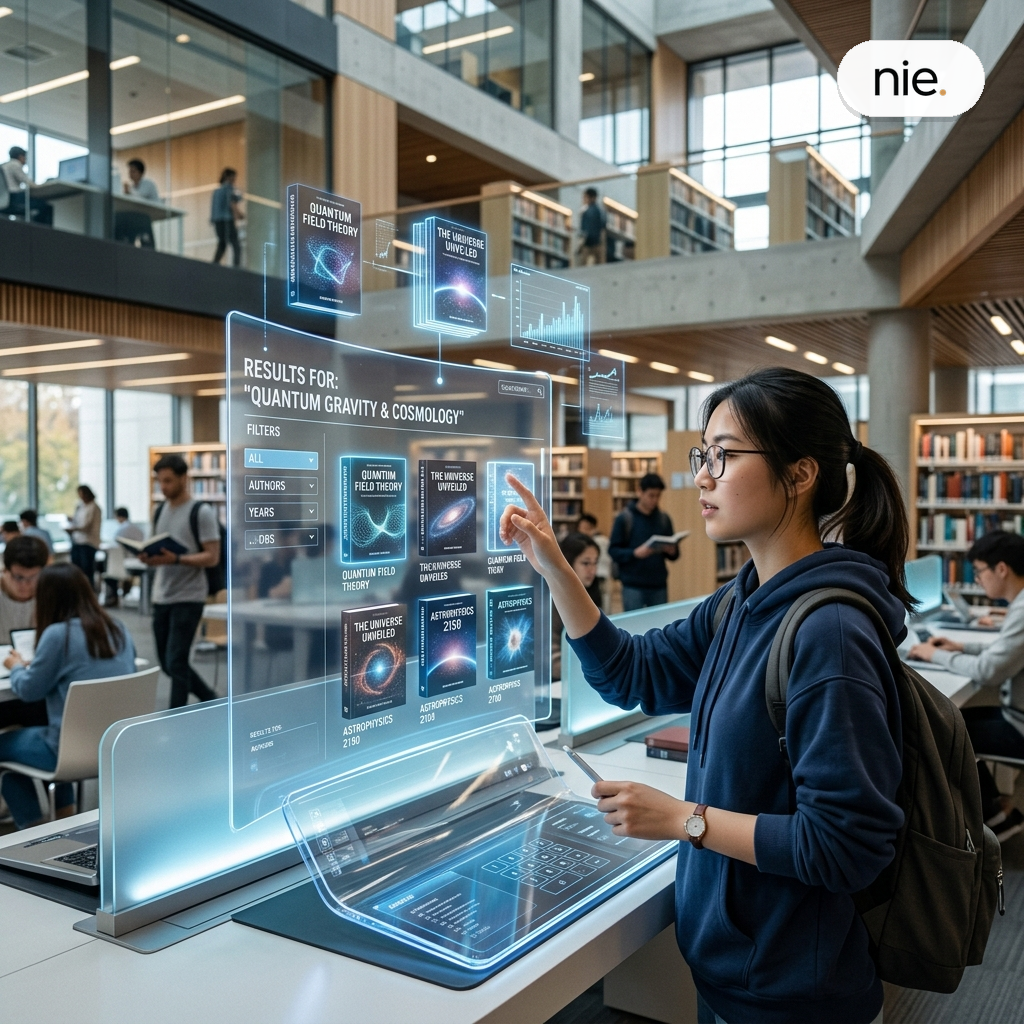
Bản chất của việc ứng dụng AI vào Vật lý không nằm ở việc thay thế giáo viên bằng chatbot. Nó nằm ở khả năng cá nhân hóa trải nghiệm học tập dựa trên tốc độ tư duy của từng cá nhân. Các hệ thống hỗ trợ học tập thông minh hiện nay sử dụng thuật toán suy luận để phát hiện lỗ hổng kiến thức ngay khi học sinh gặp khó khăn với một bài toán rơi tự do hoặc dao động điều hòa. Thay vì để học sinh loay hoay trong bế tắc, AI sẽ gợi ý các bước tư duy logic thay vì đáp án trực tiếp. Đây là sự khác biệt giữa học vẹt và hiểu bản chất.
Hệ thống thu thập dữ liệu về cách học sinh tương tác với các biến số trong mô hình mô phỏng. Nếu bạn thay đổi gia tốc trọng trường trên Sao Hỏa, AI sẽ phản hồi ngay lập tức về sự thay đổi của quỹ đạo. Quá trình này tạo ra phản hồi tức thời, thứ mà những cuốn sách giáo khoa vật lý cũ kỹ chưa bao giờ làm được. Tuy nhiên, rủi ro nằm ở việc lạm dụng mô hình hóa. Nếu quá dựa vào máy tính, khả năng tính toán tay và tư duy logic căn bản của học sinh có thể bị bào mòn. Sự cân bằng là cần thiết. Máy tính tính toán, con người tư duy.
So sánh giữa phương pháp truyền thống và lớp học AI
| Tiêu chí | Phương pháp truyền thống | Lớp học AI Vật lý |
|---|---|---|
| Tương tác | Thụ động, nghe chép | Chủ động, tương tác 2 chiều |
| Cá nhân hóa | Đồng loạt, một cách dạy | Điều chỉnh theo năng lực |
| Phản hồi | Chậm, chờ chấm bài | Tức thì, ngay tại chỗ |
Quy trình Vận hành Trực quan
AI phân tích dữ liệu đầu vào từ câu hỏi của học sinh.
Thiết lập môi trường vật lý ảo để thử nghiệm giả thuyết.
Điều chỉnh phương pháp giảng dạy dựa trên kết quả thực tế.
Thách thức và giải pháp triển khai
Đầu tư vào AI không đơn thuần là mua bản quyền phần mềm. Chi phí ẩn nằm ở hạ tầng máy tính và đào tạo lại giáo viên. Nhiều trường học mắc sai lầm khi vung tiền vào thiết bị nhưng lại quên chuẩn bị lộ trình sư phạm cho đội ngũ nhân sự. Giáo viên không được hỗ trợ sẽ coi AI là gánh nặng thay vì trợ thủ. Khi công nghệ lỗi, bài học đình trệ. Đó là thảm họa.
Giải pháp ở đây là triển khai từng bước. Đừng thay thế hoàn toàn. Hãy tích hợp mô hình AI như một phần bổ trợ trong các tiết thực hành. Hãy bắt đầu bằng việc kiểm tra tính tương thích của nền tảng với dữ liệu học tập hiện có. Ưu tiên những giải pháp có khả năng vận hành ổn định trên thiết bị cấu hình thấp thay vì chạy theo những thuật toán hào nhoáng yêu cầu phần cứng đắt đỏ.
Câu hỏi thường gặp
AI có khiến giáo viên mất đi vị thế trong lớp học không?
Hoàn toàn không. AI chỉ đảm nhận vai trò cung cấp dữ liệu và mô phỏng. Sự định hướng về đạo đức, cảm hứng học tập và khả năng kết nối con người vẫn thuộc về giáo viên. Công nghệ chỉ là công cụ để giải phóng giáo viên khỏi các công việc hành chính lặp lại.
Làm thế nào để tránh việc học sinh phụ thuộc vào AI?
Cần thiết lập cơ chế giới hạn truy cập. AI chỉ nên kích hoạt gợi ý sau khi học sinh đã thử giải quyết vấn đề trong một khoảng thời gian nhất định. Kiểm soát quy trình tư duy quan trọng hơn việc kiểm soát đáp án cuối cùng.
Chi phí vận hành có quá cao so với ngân sách trường học?
Chi phí ban đầu có thể lớn, nhưng nếu nhìn dài hạn, việc số hóa giúp tiết kiệm chi phí in ấn tài liệu, thiết bị thí nghiệm ảo thay thế vật tư tiêu hao. Việc lựa chọn các đơn vị cung cấp giải pháp uy tín như NIE.vn sẽ giúp tối ưu hóa ngân sách thông qua các gói phần mềm bản quyền và giải pháp E-learning chuyên biệt, được thiết kế thực tế cho nhu cầu giáo dục.
Kết lại, công nghệ là chất xúc tác, không phải phép màu. Việc đưa AI vào lớp học Vật lý đòi hỏi sự tỉnh táo trong khâu lựa chọn và sự quyết liệt trong khâu thực thi. Nếu bạn đang tìm kiếm sự đồng hành để xây dựng lộ trình số hóa giáo dục bền vững, từ thiết kế website học tập cho đến các hệ thống quản lý lớp học thông minh, hãy liên hệ với NIE.vn. Chúng tôi không vẽ ra viễn cảnh hoa hồng, chúng tôi cung cấp giải pháp thực tế để bạn làm chủ công nghệ.
2. English Version
For decades, the teaching of Physics has remained trapped in a stagnant loop: chalkboards, white chalk, and dry, lifeless formulas. Students often stare at the Law of Conservation or Maxwell’s equations as if peering at an impenetrable wall separating abstract theory from tangible reality. While many educators strive to bridge this gap with static illustrations, the inherent abstraction remains a formidable barrier. As the visual-spatial processing abilities of younger generations evolve, traditional pedagogical methods are increasingly falling behind. This raises the critical question: can an AI-powered Physics classroom truly dismantle this wall of boredom, or is it merely another expensive, glorified classroom gadget?
The true challenge does not lie in the technology itself, but in our strategic implementation within the curriculum. Using AI solely for automated quiz generation is a profound waste of potential. We need more than that. We need real-time, interactive simulation models where students transition from passive listeners to active architects of variables within a simulated environment. The burning question remains: do educational institutions possess the resolve to overhaul deeply rooted pedagogical processes, or will they stumble over fundamental technical hurdles?
The Core Mechanics of the Intelligent Classroom
The essence of applying AI to Physics is not to replace the teacher with a chatbot, but to personalize the learning experience based on the individual’s cognitive pace. Modern intelligent tutoring systems employ sophisticated reasoning algorithms to detect knowledge gaps the moment a student hits a roadblock—whether it is a free-fall problem or simple harmonic motion. Instead of letting students wallow in frustration, AI suggests logical reasoning paths rather than spoon-feeding the final answer. This is the fundamental difference between rote memorization and true conceptual mastery.
These systems capture granular data on how students interact with variables in simulation models. If you adjust the gravitational acceleration on Mars, the AI provides immediate feedback on the resulting orbital shift. This process creates instantaneous feedback loops, a feat that archaic textbooks could never achieve. However, there is a risk in over-reliance. If we lean too heavily on digital models, there is a danger of eroding students’ fundamental mental arithmetic and logical reasoning skills. A delicate balance is required: let the computer handle the heavy computation, while humans retain the duty of critical thought.
Traditional Methods vs. The AI-Driven Classroom
| Criteria | Traditional Methods | AI-Integrated Physics Classroom |
|---|---|---|
| Interaction | Passive, listen-and-write | Active, two-way engagement |
| Personalization | One-size-fits-all | Adaptive to individual aptitude |
| Feedback | Delayed, waiting for grading | Instant, real-time response |
Visual Operational Workflow
AI parses data from student inquiries to identify core confusion points.
Deploying virtual physics environments to test hypotheses safely.
Adaptive instructional adjustments based on real-world experimental results.
Challenges and Implementation Strategies
Investing in AI is far more than just purchasing software licenses. The “hidden costs” often reside in legacy computing infrastructure and the need for significant faculty retraining. Many schools make the mistake of splashing out on high-end hardware while neglecting the pedagogical roadmap required to support their staff. Teachers who lack proper training will inevitably view AI as a burden rather than an assistant. When technology fails and the teacher is unprepared, the lesson grinds to a halt. That is a pedagogical disaster.
The solution lies in phased implementation. Do not aim for a wholesale replacement. Instead, integrate AI as a supplementary tool within laboratory sessions. Begin by testing the platform’s compatibility with existing academic data. Prioritize solutions that offer stable performance on low-spec hardware rather than chasing flashy, resource-heavy algorithms that necessitate prohibitively expensive gear.
Frequently Asked Questions
Will AI diminish the teacher’s authority in the classroom?
Absolutely not. AI functions solely as a facilitator for data processing and simulation. The ethical guidance, emotional inspiration, and the human connection remain strictly in the hands of the educator. Technology serves as a tool to liberate teachers from repetitive administrative tasks, allowing them to focus on mentoring.
How do we prevent students from becoming overly dependent on AI?
Access control is key. AI-driven suggestions should only be unlocked after a student has genuinely attempted to solve a problem for a predetermined period. Controlling the cognitive journey is far more important than merely controlling the final answer.
Is the operational cost too high for school budgets?
While initial investment might appear significant, the long-term ROI is clear. Digital transformation minimizes expenses on printed materials and laboratory consumables, which are often replaced by virtual counterparts. Partnering with reputable providers like NIE.vn allows schools to optimize budgets through specialized software licensing and E-learning solutions specifically engineered for real-world educational demands.
Ultimately, technology is a catalyst, not a magic wand. Introducing AI into the Physics classroom requires sober judgment in selection and ruthless precision in execution. If you are seeking a partner to build a sustainable digital transformation roadmap—from learning website design to intelligent classroom management systems—reach out to NIE.vn. We do not paint rosy, unrealistic scenarios; we provide the practical solutions you need to master the future of technology.
3. 中文版
几十年来,物理教学似乎一直困在黑板、粉笔和枯燥公式的循环中。学生们注视着守恒定律或麦克斯韦方程组,就像在面对一道隔绝理论与现实的高墙。许多教师尝试用静态图像进行演示,但抽象性依然是最大的阻碍。随着年轻一代视觉思维能力的不断提升,传统的教学方法已逐渐显露出颓势。那么,AI物理课堂真的能破解这种沉闷吗?还是说,它仅仅是课堂上的一个昂贵玩具?
挑战不在于技术本身,而在于我们如何将其融入教学设计。如果仅仅利用AI来出试卷,那将是对资源的严重浪费。我们需要的是更多深层次的创新。我们需要实时仿真模型,让学生不再是被动的聆听者,而是成为模拟环境中变量的掌控者。问题在于,学校是否有足够的耐心去重塑根深蒂固的教学流程,还是会再次因为基础技术障碍而折戟?
智能课堂的核心机制
将AI应用于物理教学的本质,绝非用聊天机器人取代教师,而是基于每个学生的思维速度,实现学习体验的个性化。现今的智能学习辅助系统利用推理算法,能够在学生遇到自由落体或简谐运动等难题时,精准捕捉到其知识盲点。AI不会让学生在死胡同里徘徊,而是提供逻辑思维的引导,而非直接抛出答案。这就是“死记硬背”与“领悟本质”之间的鸿沟。
系统会实时采集学生与模拟模型中各项变量交互的数据。例如,如果你改变火星上的重力加速度,AI会立即反馈轨道的变化。这一过程产生了即时响应,这是陈旧的物理教科书从未实现过的。然而,过度依赖建模也存在风险。如果过分依赖计算机,学生的纸笔计算能力和基础逻辑思维可能会退化。因此,平衡至关重要:让机器负责计算,让人类负责思考。
传统教学法与AI物理课堂对比分析
| 指标维度 | 传统教学法 | AI物理课堂 |
|---|---|---|
| 交互方式 | 被动式,听讲记录 | 主动式,双向互动 |
| 个性化程度 | 同质化,单一教法 | 自适应,因材施教 |
| 反馈时效 | 滞后,等待批改 | 即时,现场反馈 |
可视化运行流程
AI对学生提出的问题及交互数据进行深度分析。
构建虚拟物理环境,供学生测试各类假说。
根据实测结果,动态调整教学策略与讲解深度。
挑战与落地解决方案
投资AI不仅仅是购买软件版权。真正的隐形成本在于计算基础设施的建设和教师的再培训。许多学校犯了同一个错误:砸重金购买设备,却忽略了为教师团队制定配套的教学路径。如果教师缺乏支持,他们会将AI视为负担而非助手。一旦技术故障发生,课程进度停滞,那将是一场灾难。
解决方案在于分阶段实施。不要试图彻底取代一切,而是将AI模型作为实践课的补充手段。首先测试平台与现有教学数据的兼容性。优先选择那些能在低配置设备上稳定运行的解决方案,而不是盲目追求需要昂贵硬件支撑的“华丽”算法。
常见问题解答
AI是否会导致教师在课堂上的地位丧失?
完全不会。AI仅承担数据处理与仿真的角色。道德引导、学习灵感激发以及人际情感的连接,始终属于教师。技术只是工具,旨在将教师从重复性的行政任务中解放出来,从而回归教育的本质。
如何防止学生对AI产生依赖?
关键在于建立访问限制机制。AI仅应在学生尝试独立解决问题一定时间后才给出提示。管控思维过程远比管控最终答案更为重要。
运营成本是否远超学校预算?
初始投资或许较大,但从长期来看,数字化能节省大量的教材印刷费及实验室耗材费用。选择像 NIE.vn 这样专业且信誉良好的服务商,能够通过正版软件授权和定制化电子教学(E-learning)解决方案来优化预算,这些方案均是基于教育实际需求而设计的。
综上所述,技术是催化剂,而非灵丹妙药。将AI引入物理课堂,需要决策者在选择时保持清醒,在执行时保持坚定。如果您正在寻找数字化教育的可持续转型之路,从学习网站设计到智能课堂管理系统,请联系 NIE.vn。我们从不描绘虚幻的愿景,我们只为您提供掌握技术的实用解决方案。
🤖 Đội Ngũ AI Tự Hành 24/7
Tự động hóa quy trình nghiệp vụ, cào dữ liệu, xử lý tài liệu và đối soát báo cáo liên tục không ngừng nghỉ.
✍️ AI Sáng Tạo Nội Dung
Tự động viết bài chuẩn SEO, thiết kế Infographic và phân phối đa kênh lên Website, Facebook Fanpage.
🔗 Kết Nối n8n & Webhooks
Tích hợp liền mạch với Google Workspace, CRM, Zalo OA, Telegram và hệ thống cơ sở dữ liệu doanh nghiệp.
🧠 Đa Mô Hình AI Tiên Tiến
Ứng dụng linh hoạt Google Gemini Pro, OpenAI GPT, Claude 3.5 và các mô hình mã nguồn mở DeepSeek/Ollama.
🎓 Khóa Học AI Thực Chiến
Chương trình đào tạo từ cơ bản đến nâng cao: Làm chủ AI Agents, Prompt Engineering và Tự động hóa 0đ chi phí.
💎 Tài Khoản AI Doanh Nghiệp
Cung cấp gói tài khoản Google One 2TB, Gemini Advanced, ChatGPT Plus bản quyền giá ưu đãi.
🏢 Đơn Vị Pháp Lý Rõ Ràng
HỘ KINH DOANH CÔNG NGHỆ VÀ GIÁO DỤC NGUYỄN THÔNG (MST: 6000861747-001). Cung cấp hóa đơn và hợp đồng đầy đủ.
🔒 Bảo Mật Dữ Liệu Khách Hàng
Tuân thủ nghiêm ngặt Nghị định 13/2023/NĐ-CP về bảo vệ dữ liệu cá nhân và bí mật kinh doanh của khách hàng.