
1. Phiên bản Tiếng Việt
Trong kỷ nguyên số hóa giáo dục, mô hình “một kích cỡ cho tất cả” (one-size-fits-all) đã bộc lộ những hạn chế rõ rệt. Khi tốc độ tiếp thu kiến thức và nền tảng tri thức của mỗi cá nhân là khác biệt, việc áp dụng cùng một lộ trình đào tạo cho hàng ngàn người không chỉ làm giảm hiệu suất học tập mà còn gây lãng phí nguồn lực đáng kể. Đây chính là lúc Machine Learning cá nhân hóa học tập trở thành chìa khóa chiến lược, thay đổi hoàn toàn cục diện của nền giáo dục hiện đại.
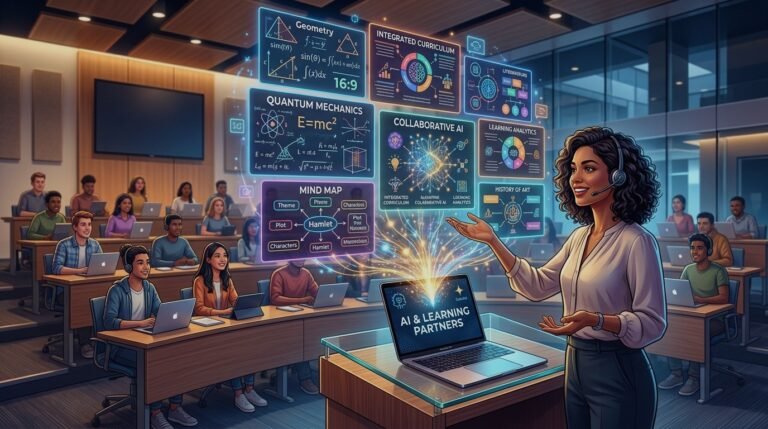
Machine Learning cá nhân hóa học tập không đơn thuần là một xu hướng công nghệ, mà là sự chuyển dịch sang mô hình lấy người học làm trung tâm, nơi trí tuệ nhân tạo (AI) đóng vai trò là một gia sư thông minh, hiểu rõ phong cách học tập, sở trường và cả những “điểm mù” kiến thức của học viên. Việc tích hợp các thuật toán học máy cho phép hệ thống dự đoán nhu cầu, đề xuất lộ trình tối ưu và điều chỉnh nội dung theo thời gian thực. Đối với các tổ chức giáo dục và doanh nghiệp, việc ứng dụng AI vào học tập không chỉ nâng cao tỷ lệ hoàn thành khóa học mà còn tối đa hóa ROI (tỷ suất hoàn vốn) thông qua việc cải thiện năng lực nhân sự một cách khoa học. Bài viết này sẽ đi sâu vào cơ chế vận hành, giá trị cốt lõi cũng như những thách thức trong việc triển khai Machine Learning để kiến tạo lộ trình học tập mang tính cá nhân hóa cao nhất.
Phân tích khái niệm và cơ chế cốt lõi
Cơ chế cốt lõi của việc cá nhân hóa học tập thông qua Machine Learning dựa trên sự kết hợp giữa phân tích dữ liệu lớn (Big Data) và các mô hình học máy (Machine Learning Models). Thay vì dựa trên các quy tắc cố định, hệ thống học máy tự học từ hành vi của người dùng để đưa ra các quyết định giáo dục thông minh.
Cơ chế phân nhóm (Clustering): Hệ thống sử dụng thuật toán phân nhóm như K-Means để chia người học thành các nhóm dựa trên hành vi (tốc độ đọc, tần suất tương tác, độ khó của câu hỏi đã vượt qua). Điều này giúp hệ thống xác định được hồ sơ người học (Learner Profile) một cách tự động.
Hệ thống gợi ý (Recommender Systems): Tương tự như cách Netflix gợi ý phim, hệ thống học máy phân tích nội dung phù hợp nhất (dựa trên kỹ thuật Collaborative Filtering hoặc Content-based Filtering) để đề xuất các bài học tiếp theo mà người học có khả năng cao sẽ hứng thú hoặc cần thiết để củng cố lỗ hổng kiến thức.
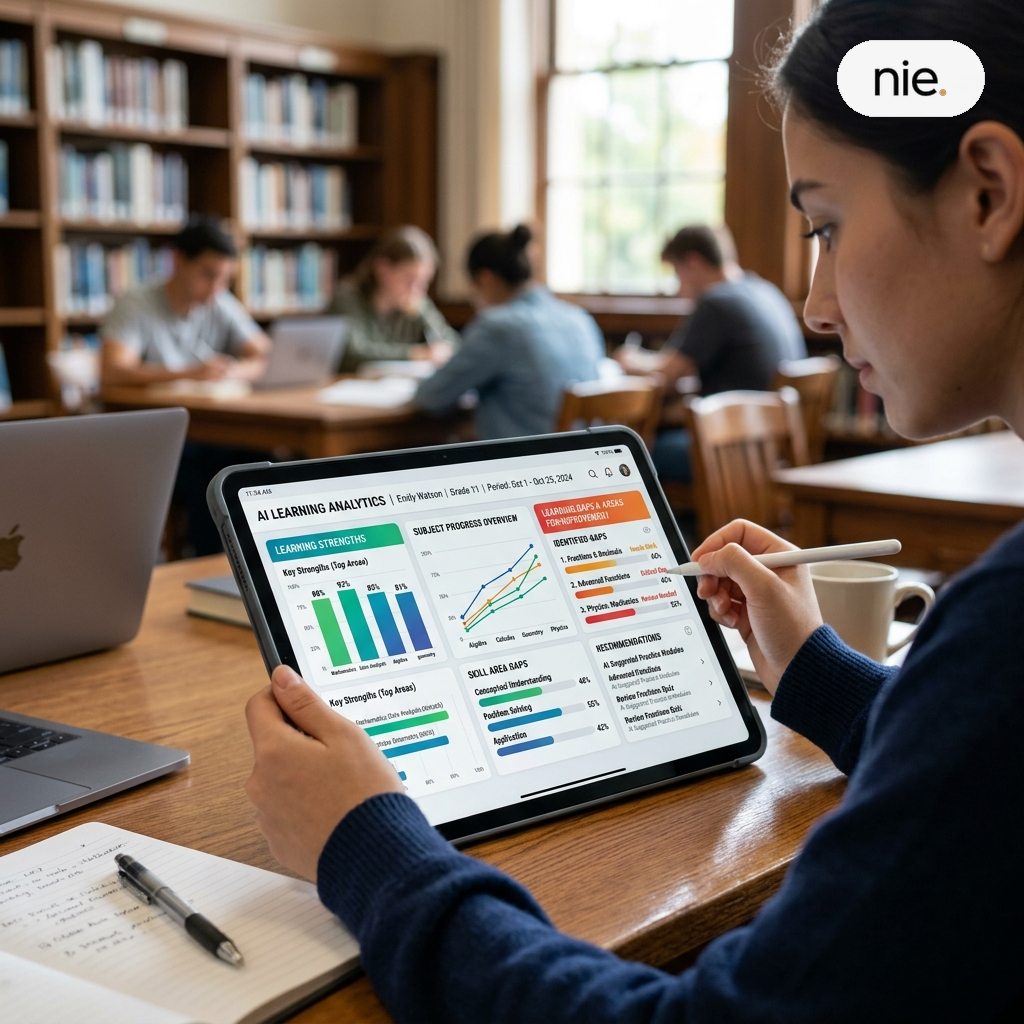
Dự báo năng lực (Predictive Analytics): Sử dụng các mô hình hồi quy (Regression Models) hoặc mạng thần kinh (Neural Networks) để dự báo khả năng hoàn thành hoặc nguy cơ bỏ cuộc của học viên. Khi hệ thống nhận thấy một học viên đang chật vật với một khái niệm, nó sẽ tự động kích hoạt các tài liệu hỗ trợ bổ sung.
Lợi ích vượt trội và Giá trị thực tế mang lại
Việc áp dụng Machine Learning vào lộ trình học tập tạo ra những thay đổi mang tính đột phá cho cả người học và cơ sở đào tạo:
Tối ưu hóa trải nghiệm học tập
Lợi ích lớn nhất là khả năng thích ứng linh hoạt (Adaptive Learning). Hệ thống không ép buộc người học đi theo một đường thẳng mà sẽ điều hướng lộ trình dựa trên sự tiến bộ của chính họ.
Bảng so sánh: Truyền thống vs. Cá nhân hóa dựa trên AI
| Tiêu chí | Giáo dục truyền thống | Cá nhân hóa bằng Machine Learning |
|---|---|---|
| Nội dung | Tĩnh, giống nhau cho mọi người | Động, thay đổi theo năng lực |
| Tốc độ | Phụ thuộc vào tốc độ chung của lớp | Tự điều chỉnh theo cá nhân |
| Phản hồi | Chậm, qua kiểm tra định kỳ | Tức thời, xuyên suốt quá trình |
| Hiệu quả | Thấp do thiếu sự tương tác sâu | Cao nhờ tập trung đúng điểm yếu |
- Nâng cao động lực: Người học cảm thấy được thấu hiểu khi nội dung luôn nằm trong vùng phát triển gần (Zone of Proximal Development).
- Giảm tỷ lệ bỏ cuộc: Khả năng nhận diện sớm dấu hiệu chán nản hoặc quá tải giúp giáo viên can thiệp kịp thời.
- Tiết kiệm thời gian: Loại bỏ các phần kiến thức mà người học đã nắm vững, tập trung vào những kỹ năng cần thiết.
Thách thức, Rủi ro và Giải pháp tối ưu
Dù sở hữu tiềm năng lớn, việc triển khai Machine Learning trong giáo dục không tránh khỏi những thách thức kỹ thuật và đạo đức.
Thách thức về Dữ liệu (Data Quality): Hệ thống Machine Learning chỉ thông minh bằng chính dữ liệu đầu vào. Nếu dữ liệu về hành vi người học không đồng nhất hoặc bị nhiễu, các gợi ý của hệ thống sẽ sai lệch. Giải pháp: Cần thiết lập hệ thống thu thập dữ liệu (data pipeline) chuẩn xác từ các nền tảng E-learning.
Rủi ro về đạo đức và sự thiên kiến: Các thuật toán có thể vô tình tạo ra sự thiên kiến nếu dữ liệu lịch sử có sự phân biệt đối xử. Giải pháp: Cần thực hiện kiểm soát thuật toán (algorithmic auditing) thường xuyên để đảm bảo sự công bằng.
Sự cô lập người học: Quá tập trung vào việc học cá nhân có thể làm giảm đi kỹ năng làm việc nhóm và thảo luận xã hội. Giải pháp: Kết hợp mô hình “Blended Learning”, nơi AI hỗ trợ việc học cá nhân, còn con người (giáo viên) điều phối các hoạt động tương tác nhóm.
Xu hướng tương lai: Cá nhân hóa thế hệ mới (2025-2028)
Trong 3-5 năm tới, chúng ta sẽ chứng kiến sự chuyển dịch từ “Cá nhân hóa nội dung” sang “Cá nhân hóa trải nghiệm tâm lý”. Các hệ thống AI thế hệ mới sẽ tích hợp cảm biến đo lường cảm xúc (Affective Computing) để nhận biết sự căng thẳng hoặc mệt mỏi của người học qua nét mặt hoặc tốc độ gõ phím. Xu hướng Generative AI cũng sẽ đóng vai trò quan trọng, cho phép hệ thống tạo ra các câu hỏi, bài tập thực hành ngay lập tức dựa trên phong cách học tập của người dùng, thay vì chỉ lựa chọn từ ngân hàng câu hỏi có sẵn.
Câu hỏi thường gặp – FAQ
Machine Learning có thay thế hoàn toàn được vai trò của người thầy không?
Hoàn toàn không. Machine Learning đóng vai trò là “trợ lý học tập thông minh”, giúp xử lý các tác vụ lặp lại, đánh giá và đề xuất nội dung. Vai trò của người thầy chuyển dịch từ “người truyền thụ kiến thức” sang “người cố vấn, truyền cảm hứng và định hướng tư duy” – những giá trị mà máy móc chưa thể thay thế.
Chi phí triển khai giải pháp Machine Learning cho doanh nghiệp có quá đắt đỏ?
Với sự phát triển của các dịch vụ Cloud AI hiện nay (như AWS AI, Google Cloud AI), chi phí đã giảm đáng kể so với việc xây dựng hệ thống từ con số không. Các doanh nghiệp có thể sử dụng các nền tảng E-learning có tích hợp sẵn AI hoặc tùy chỉnh từ các giải pháp phần mềm hiện có.
Làm thế nào để đảm bảo tính bảo mật dữ liệu học tập của người dùng?
Việc tuân thủ các quy định bảo mật như GDPR hoặc luật an ninh mạng quốc gia là tiên quyết. Dữ liệu cần được mã hóa và ẩn danh hóa (anonymization) trước khi đưa vào các mô hình học máy để đảm bảo quyền riêng tư cho người học.
Kết luận & Đồng hành cùng NIE.vn
Tóm lại, Machine Learning cá nhân hóa học tập không chỉ là một công cụ hỗ trợ, mà là nền tảng chiến lược để nâng cao chất lượng giáo dục trong kỷ nguyên số. Việc cá nhân hóa giúp mỗi cá nhân khai phá tối đa tiềm năng trí tuệ của mình thông qua lộ trình được thiết kế riêng biệt và khoa học.
Nếu quý đơn vị, doanh nghiệp đang tìm kiếm giải pháp chuyển đổi số trong đào tạo, phát triển hệ thống E-learning chuyên nghiệp hay cần tích hợp các giải pháp trí tuệ nhân tạo vào quy trình vận hành, hãy kết nối cùng NIE.vn (trực thuộc Hộ kinh doanh Công nghệ và Giáo dục Nguyễn Thông). Chúng tôi tự hào là đối tác tin cậy trong việc cung cấp các dịch vụ Thiết kế Website chuẩn SEO, phát triển phần mềm bản quyền, xây dựng hệ thống E-learning theo yêu cầu và các giải pháp công nghệ tối ưu nhất. Với kinh nghiệm thực chiến và tư duy chuyên môn cao, NIE.vn cam kết đồng hành cùng quý khách trên lộ trình chinh phục kỷ nguyên số hóa.
2. English Summary
Personalized learning through Machine Learning is revolutionizing education by shifting from a “one-size-fits-all” model to a tailored experience. By utilizing data-driven insights, AI algorithms analyze individual learning styles, identify knowledge gaps, and optimize content delivery. As we look toward the future, the integration of Generative AI and Affective Computing will further bridge the gap between human potential and technological efficiency. At NIE.vn, we specialize in delivering cutting-edge E-learning solutions and technology services to help organizations thrive in this digital transformation.
2. English Version
In the era of educational digitalization, the “one-size-fits-all” model has revealed significant limitations. Given that every individual possesses a unique background and pace of knowledge acquisition, forcing thousands of learners into a single training roadmap not only diminishes learning efficiency but also leads to substantial resource wastage. This is precisely where Machine Learning for personalized learning emerges as a strategic cornerstone, fundamentally reshaping the landscape of modern education.
Personalized learning through Machine Learning is far more than just a passing technological trend; it represents a paradigm shift toward a learner-centric model. In this ecosystem, Artificial Intelligence (AI) acts as an intelligent tutor, deeply understanding each student’s learning style, strengths, and specific knowledge “blind spots.” The integration of machine learning algorithms allows systems to predict needs, recommend optimal paths, and adjust content in real-time. For educational institutions and corporations, leveraging AI in training not only boosts course completion rates but also maximizes Return on Investment (ROI) by scientifically enhancing human capital. This article delves into the operational mechanisms, core values, and the challenges of deploying Machine Learning to create highly personalized learning pathways.
Analyzing Concepts and Core Mechanisms
The core mechanism of personalized learning via Machine Learning is rooted in the synergy between Big Data analytics and robust Machine Learning models. Instead of relying on rigid, predetermined rules, machine learning systems autonomously learn from user behavior to make intelligent educational decisions.
Clustering Mechanisms: The system utilizes clustering algorithms, such as K-Means, to categorize learners based on behavioral metrics—such as reading speed, interaction frequency, and the difficulty level of successfully completed assessment items. This enables the system to generate comprehensive “Learner Profiles” automatically.
Recommender Systems: Much like how Netflix suggests movies, machine learning systems analyze the most relevant content (employing techniques such as Collaborative Filtering or Content-based Filtering) to recommend the next lessons that a learner is most likely to find engaging or necessary to bridge their current knowledge gaps.
Predictive Analytics: By employing Regression Models or Neural Networks, these systems can forecast a learner’s probability of course completion or the likelihood of attrition. When the system detects that a student is struggling with a specific concept, it proactively triggers additional support materials.
Superior Benefits and Real-World Value
Implementing Machine Learning into training roadmaps creates breakthrough changes for both learners and educational providers:
Optimizing the Learning Experience
The most significant benefit is the capability for Adaptive Learning. The system does not force learners down a linear path; instead, it dynamically navigates the roadmap based on their individual progress.
Comparison Table: Traditional vs. AI-Driven Personalization
| Criteria | Traditional Education | Machine Learning Personalization |
|---|---|---|
| Content | Static, identical for everyone | Dynamic, evolving with capabilities |
| Pace | Dependent on the group’s average pace | Self-paced and individualized |
| Feedback | Delayed, via periodic testing | Instantaneous and continuous |
| Efficiency | Low due to lack of deep engagement | High due to focus on specific gaps |
- Increased Motivation: Learners feel recognized and supported when content is consistently situated within their “Zone of Proximal Development.”
- Reduced Drop-out Rates: Early identification of signs of boredom or cognitive overload allows educators to intervene in a timely manner.
- Time Savings: By eliminating topics the learner has already mastered, the system focuses exclusively on the skills that require attention.
Challenges, Risks, and Optimal Solutions
Despite its immense potential, deploying Machine Learning in education entails technical and ethical challenges that must be addressed.
Data Quality Challenges: A Machine Learning system is only as intelligent as the data it is fed. If behavioral data is inconsistent or noisy, the system’s recommendations will be inaccurate. Solution: Establishing a precise data pipeline from E-learning platforms is essential for clean data integration.
Ethics and Algorithmic Bias: Algorithms may inadvertently perpetuate biases if historical data contains discriminatory patterns. Solution: Rigorous and frequent algorithmic auditing must be conducted to ensure fairness and inclusivity.
Learner Isolation: Over-reliance on individual learning can potentially diminish soft skills related to teamwork and social discourse. Solution: Adopt a “Blended Learning” model, where AI facilitates individual mastery while human instructors orchestrate collaborative group interactions.
Future Trends: The New Generation of Personalization (2025-2028)
In the next 3-5 years, we will witness a transition from “Content Personalization” to “Psychological Experience Personalization.” Next-generation AI systems will integrate Affective Computing sensors to detect stress or fatigue through facial expressions or typing speed. Furthermore, Generative AI will play a pivotal role, enabling systems to dynamically generate questions and practice exercises based on a user’s unique learning style, rather than relying on a static, pre-existing question bank.
Frequently Asked Questions – FAQ
Can Machine Learning completely replace the role of a teacher?
Absolutely not. Machine Learning serves as an “intelligent learning assistant,” handling repetitive tasks, grading, and content recommendation. The teacher’s role evolves from a “knowledge transmitter” to a “mentor, motivator, and facilitator of critical thinking”—values that machines cannot replace.
Is the cost of implementing Machine Learning solutions prohibitive for businesses?
With the evolution of cloud-based AI services (such as AWS AI or Google Cloud AI), the cost has decreased significantly compared to building systems from scratch. Enterprises can leverage existing AI-integrated E-learning platforms or customize off-the-shelf software solutions to suit their needs.
How can we ensure the security of user learning data?
Compliance with privacy regulations such as GDPR or national cybersecurity laws is paramount. Data must be encrypted and anonymized before being processed by machine learning models to ensure the privacy and security of every learner.
Conclusion & Partnership with NIE.vn
In conclusion, Machine Learning for personalized learning is not merely a supplementary tool; it is a strategic foundation for enhancing educational quality in the digital age. Personalization enables every individual to unlock their full intellectual potential through a uniquely designed and scientifically backed roadmap.
If your organization or business is seeking a digital transformation solution for training, developing a professional E-learning platform, or integrating artificial intelligence into your operational workflow, connect with NIE.vn (under the Nguyen Thong Technology and Education Business). We are proud to be your trusted partner in providing comprehensive SEO-friendly website design, licensed software development, bespoke E-learning system architecture, and highly optimized technology solutions. With extensive field experience and deep professional expertise, NIE.vn is committed to being your dedicated partner on the journey to conquering the digital age.
3. 中文版
在教育数字化的时代背景下,“一刀切”(one-size-fits-all)的教学模式已明显显露出其局限性。由于每个个体的知识积累基础和信息吸收速度存在差异,对成千上万的学习者应用完全相同的培训路径,不仅会降低学习效率,还会造成巨大的资源浪费。正因如此,机器学习驱动的个性化学习(Machine Learning for Personalized Learning)已成为战略性的关键因素,彻底重塑了现代教育格局。
机器学习驱动的个性化学习不仅是一种技术潮流,更是一场向“以学习者为中心”模式的范式转移。在这种模式下,人工智能(AI)充当了一名智能导师,能够深入洞察学习者的学习风格、专业特长,甚至是知识结构中的“盲区”。通过集成机器学习算法,系统能够预测学习需求、推荐最优路径并实时调整内容。对于教育机构和企业而言,将人工智能应用于学习领域,不仅能显著提高课程完成率,还能通过科学提升人力资本,最大化投资回报率(ROI)。本文将深入探讨部署机器学习以构建高度个性化学习路径的操作机制、核心价值以及实施过程中的挑战。
核心概念解析与运作机制
通过机器学习实现个性化学习的核心机制,在于大数据分析与机器学习模型(Machine Learning Models)的有机结合。系统不再依赖于僵化的固定规则,而是通过学习用户的行为数据,自主做出智能化教育决策。
聚类分析机制(Clustering): 系统利用K-Means等聚类算法,根据学习者的行为特征(如阅读速度、互动频率、攻克难题的难度等)将学习者进行分组。这有助于系统自动构建精确的“学习者画像”(Learner Profile)。
推荐系统(Recommender Systems): 类似于Netflix推荐电影的逻辑,机器学习系统通过协同过滤(Collaborative Filtering)或基于内容的过滤(Content-based Filtering)技术,分析最匹配的学习资源,并向学习者推荐他们最感兴趣或最有助于弥补知识漏洞的后续课程。
能力预测分析(Predictive Analytics): 利用回归模型(Regression Models)或神经网络(Neural Networks)来预测学员的学习完成度或流失风险。当系统检测到学员在某个概念上遇到困难时,会自动触发辅助学习资料推送。
卓越优势与实际价值
将机器学习应用于学习路径,为学习者和培训机构带来了颠覆性的变革:
优化学习体验
最大的优势在于自适应学习(Adaptive Learning)能力。系统不再强迫学习者遵循单一线性路径,而是根据其个人进度动态调整航向。
对照表:传统教育 vs. AI驱动的个性化学习
| 维度 | 传统教育 | 基于机器学习的个性化学习 |
|---|---|---|
| 内容 | 静态,对所有人相同 | 动态,随能力水平调整 |
| 进度 | 依赖于班级的平均进度 | 基于个人水平自动调整 |
| 反馈 | 缓慢,通过定期测试得出 | 即时,贯穿整个学习过程 |
| 效能 | 因缺乏深度互动而偏低 | 高,精准针对弱点进行强化 |
- 提升学习动机: 当学习内容始终处于“最近发展区”(Zone of Proximal Development)时,学习者会感到被深度理解,从而激发更强的内驱力。
- 降低流失率: 系统能够及早识别厌倦或过载迹象,协助教师及时介入。
- 节省时间: 系统会自动跳过学习者已掌握的部分,专注于攻克真正需要提升的技能点。
挑战、风险与优化方案
尽管机器学习潜力巨大,但在教育领域的落地仍面临技术与伦理层面的挑战。
数据质量挑战(Data Quality): 机器学习系统的智能程度取决于输入数据的质量。如果关于学习者行为的数据不一致或存在噪声,系统的推荐就会产生偏差。解决方案: 需要从电子学习(E-learning)平台建立标准化的数据采集流水线(data pipeline)。
伦理风险与算法偏见: 如果历史数据中存在歧视性偏见,算法可能会无意间复制这种偏差。解决方案: 必须定期进行算法审计(algorithmic auditing),以确保结果的公平公正。
学习孤岛效应: 过度专注于个性化学习可能会削弱协作能力和社交讨论。解决方案: 采用“混合式学习”(Blended Learning)模式,由AI辅助个人学习,同时由人类教师引导互动讨论。
未来趋势:下一代个性化学习(2025-2028)
在未来3至5年内,我们将见证从“内容个性化”向“心理体验个性化”的转变。新一代人工智能系统将集成情感计算(Affective Computing)传感器,通过面部表情或键盘敲击速度来感知学习者的压力或疲劳状态。生成式AI(Generative AI)也将发挥关键作用,使系统能够根据用户的学习风格即时生成题目和练习,而不再局限于预设的题库。
常见问题解答 – FAQ
机器学习能否完全取代教师的角色?
完全不能。机器学习充当的是“智能学习助理”,负责处理重复性任务、评估和内容推荐。教师的角色将从“知识传授者”转型为“导师、激励者和思维引导者”——这些价值是机器无法替代的。
企业部署机器学习解决方案的成本是否过高?
随着当前云AI服务(如AWS AI、Google Cloud AI)的发展,部署成本已较以往构建全套系统大幅降低。企业可以选择集成AI功能的现成E-learning平台,或在现有软件基础上进行定制化开发。
如何确保学习者数据的隐私安全?
合规遵循GDPR或国家网络安全法律是前提。数据在进入机器学习模型前必须进行加密和脱敏处理(anonymization),以确保学习者的隐私权益。
结论与携手 NIE.vn
综上所述,机器学习驱动的个性化学习不仅是辅助工具,更是数字化时代提升教育质量的战略基石。个性化定制路径能够通过科学手段,帮助每一位个体最大化挖掘自身的智力潜能。
如果您所在的企业或组织正在寻求数字化转型解决方案、开发专业的E-learning系统,或需要将人工智能技术整合进运营流程,欢迎联系NIE.vn(隶属于阮通科技与教育个体户)。我们是您数字化转型道路上的可靠合作伙伴,专注于提供SEO标准网站设计、版权软件开发、定制化E-learning系统构建及各类前沿技术解决方案。凭借丰富的实战经验与深厚的专业洞察,NIE.vn 承诺与您携手共进,在数字化转型的浪潮中创造卓越价值。
4. English Summary
Personalized learning through Machine Learning is revolutionizing education by shifting from a “one-size-fits-all” model to a tailored experience. By utilizing data-driven insights, AI algorithms analyze individual learning styles, identify knowledge gaps, and optimize content delivery. As we look toward the future, the integration of Generative AI and Affective Computing will further bridge the gap between human potential and technological efficiency. At NIE.vn, we specialize in delivering cutting-edge E-learning solutions and technology services to help organizations thrive in this digital transformation.
🤖 Đội Ngũ AI Tự Hành 24/7
Tự động hóa quy trình nghiệp vụ, cào dữ liệu, xử lý tài liệu và đối soát báo cáo liên tục không ngừng nghỉ.
✍️ AI Sáng Tạo Nội Dung
Tự động viết bài chuẩn SEO, thiết kế Infographic và phân phối đa kênh lên Website, Facebook Fanpage.
🔗 Kết Nối n8n & Webhooks
Tích hợp liền mạch với Google Workspace, CRM, Zalo OA, Telegram và hệ thống cơ sở dữ liệu doanh nghiệp.
🧠 Đa Mô Hình AI Tiên Tiến
Ứng dụng linh hoạt Google Gemini Pro, OpenAI GPT, Claude 3.5 và các mô hình mã nguồn mở DeepSeek/Ollama.
🎓 Khóa Học AI Thực Chiến
Chương trình đào tạo từ cơ bản đến nâng cao: Làm chủ AI Agents, Prompt Engineering và Tự động hóa 0đ chi phí.
💎 Tài Khoản AI Doanh Nghiệp
Cung cấp gói tài khoản Google One 2TB, Gemini Advanced, ChatGPT Plus bản quyền giá ưu đãi.
🏢 Đơn Vị Pháp Lý Rõ Ràng
HỘ KINH DOANH CÔNG NGHỆ VÀ GIÁO DỤC NGUYỄN THÔNG (MST: 6000861747-001). Cung cấp hóa đơn và hợp đồng đầy đủ.
🔒 Bảo Mật Dữ Liệu Khách Hàng
Tuân thủ nghiêm ngặt Nghị định 13/2023/NĐ-CP về bảo vệ dữ liệu cá nhân và bí mật kinh doanh của khách hàng.