
1. Phiên bản Tiếng Việt
Những giờ học Toán khô khan, một chiều đã trở thành nỗi ám ảnh của bao thế hệ học sinh. Cảnh tượng giáo viên mải miết giảng bài trên bảng, học trò gật gù chép phạt hay lơ đãng nhìn ra ngoài cửa sổ không hề hiếm. Sự tương tác, thứ cốt lõi để kiến thức thẩm thấu sâu sắc, thường xuyên bị bỏ quên. Kết quả? Học sinh không nắm vững kiến thức cơ bản, mất gốc, và quan trọng hơn, mất đi niềm yêu thích với một môn khoa học logic, đẹp đẽ. Chúng ta đã thử đủ mọi phương pháp, từ đổi mới sách giáo khoa đến các hoạt động ngoại khóa, nhưng vấn đề căn cốt vẫn nằm ở cách truyền tải và tiếp nhận thông tin trong chính giờ học. Có phải công nghệ, cụ thể là trí tuệ nhân tạo (AI), đang hứa hẹn một lối thoát thực sự? Liệu lớp học AI Toán học có thể thực sự biến đổi trải nghiệm học tập, từ chỗ thụ động sang chủ động, từ nhàm chán sang hứng thú?
Câu trả lời không đơn giản là ‘có’ hay ‘không’. Ứng dụng AI vào giảng dạy Toán học không phải là một viên thuốc tiên, càng không phải là phép màu. Nó là một công cụ, mạnh mẽ thật đấy. Nhưng hiệu quả đến đâu còn phụ thuộc vào cách chúng ta sử dụng, cách chúng ta tích hợp nó vào một hệ thống đã tồn tại. Việc kỳ vọng AI sẽ tự động giải quyết mọi vấn đề mà không cần đến sự đầu tư về chiến lược, về con người là sai lầm. Một sai lầm lớn. Chúng ta cần nhìn thẳng vào bản chất: AI có khả năng gì, nó giải quyết được điểm nghẽn nào, và quan trọng hơn, những rủi ro nào cần được lường trước khi vội vã triển khai. Không phải cứ gắn mác “thông minh” là mọi thứ sẽ thông minh ngay lập tức. Cần một cái nhìn tỉnh táo.
Bản chất cốt lõi: AI thay đổi tương tác thế nào trong giờ Toán?
Về cơ bản, AI trong lớp học AI Toán học hoạt động như một trợ lý siêu việt, tinh tế và luôn sẵn sàng phản hồi. Cơ chế cốt lõi xoay quanh việc phân tích dữ liệu học tập khổng lồ từ mỗi học sinh. Không chỉ dừng lại ở điểm số cuối cùng, AI có thể theo dõi tốc độ giải bài, các bước tư duy, những lỗi sai thường gặp, thậm chí là thời gian học sinh dành cho từng dạng bài. Từ đó, nó xây dựng một hồ sơ học tập cá nhân hóa sâu sắc. Đây là điều mà một giáo viên, dù tận tâm đến mấy, cũng khó lòng làm được với vài chục học sinh trong lớp.
Hệ thống AI, thông qua học máy (Machine Learning), sẽ nhận diện các lỗ hổng kiến thức hoặc những điểm mạnh riêng của từng em. Ví dụ, nếu một học sinh liên tục sai các bài về phương trình bậc hai dù đã học, AI sẽ không chỉ đưa ra đáp án đúng. Nó sẽ đề xuất các bài tập bổ trợ chuyên sâu về kiến thức nền tảng như rút gọn biểu thức, hoặc thậm chí là gợi ý các video giảng giải theo một cách tiếp cận khác. Sự tương tác diễn ra hai chiều: học sinh đưa ra câu trả lời, AI phản hồi tức thì với phân tích chi tiết. Không còn chờ đợi, không còn e ngại mắc lỗi trước mặt bạn bè. Học sinh được khuyến khích thử, sai, và tự sửa sai theo lộ trình được AI định hướng. Một giáo trình năng động. Một trải nghiệm cá nhân. Đó mới là sức mạnh thực sự, không phải chỉ là những con số cao hơn.
Lợi ích thực tế và giá trị mang lại
Triển khai lớp học AI Toán học không chỉ là một khoản đầu tư công nghệ, mà là một sự thay đổi về tư duy giáo dục. Giá trị nó mang lại không chỉ dừng ở việc cải thiện điểm số, mà còn ở cách học sinh tương tác với môn học và giáo viên quản lý lớp. Hãy cùng nhìn vào sự khác biệt rõ rệt:
| Tính năng/Khía cạnh | Lớp học truyền thống | Lớp học AI Toán học |
|---|---|---|
| Tương tác học sinh | Giới hạn, thường một chiều; học sinh ít dám hỏi, ngại sai. | Phản hồi tức thì, cá nhân hóa; môi trường an toàn để thử và sai. |
| Cá nhân hóa lộ trình học | Rất khó thực hiện cho từng học sinh trong lớp đông. | AI tự động điều chỉnh bài tập, tốc độ theo năng lực riêng. |
| Đánh giá và phân tích hiệu suất | Thủ công, tốn thời gian, thường chỉ dựa vào điểm số cuối kỳ. | Phân tích sâu, chi tiết, theo dõi tiến độ theo thời gian thực. |
| Vai trò của giáo viên | Truyền đạt kiến thức chính; ít thời gian kèm cặp riêng. | Người hướng dẫn, cố vấn chiến lược; tập trung vào những ca khó. |
Rõ ràng, AI không chỉ là một công cụ giảng dạy, nó còn là một trợ thủ đắc lực giúp giải phóng giáo viên khỏi các công việc lặp lại, cho phép họ tập trung vào những khía cạnh mang tính sư phạm cao hơn: truyền cảm hứng, giải đáp các thắc mắc phức tạp, và phát triển kỹ năng tư duy phản biện. Đây là một sự chuyển dịch đáng kể. Một sự nâng cấp toàn diện.
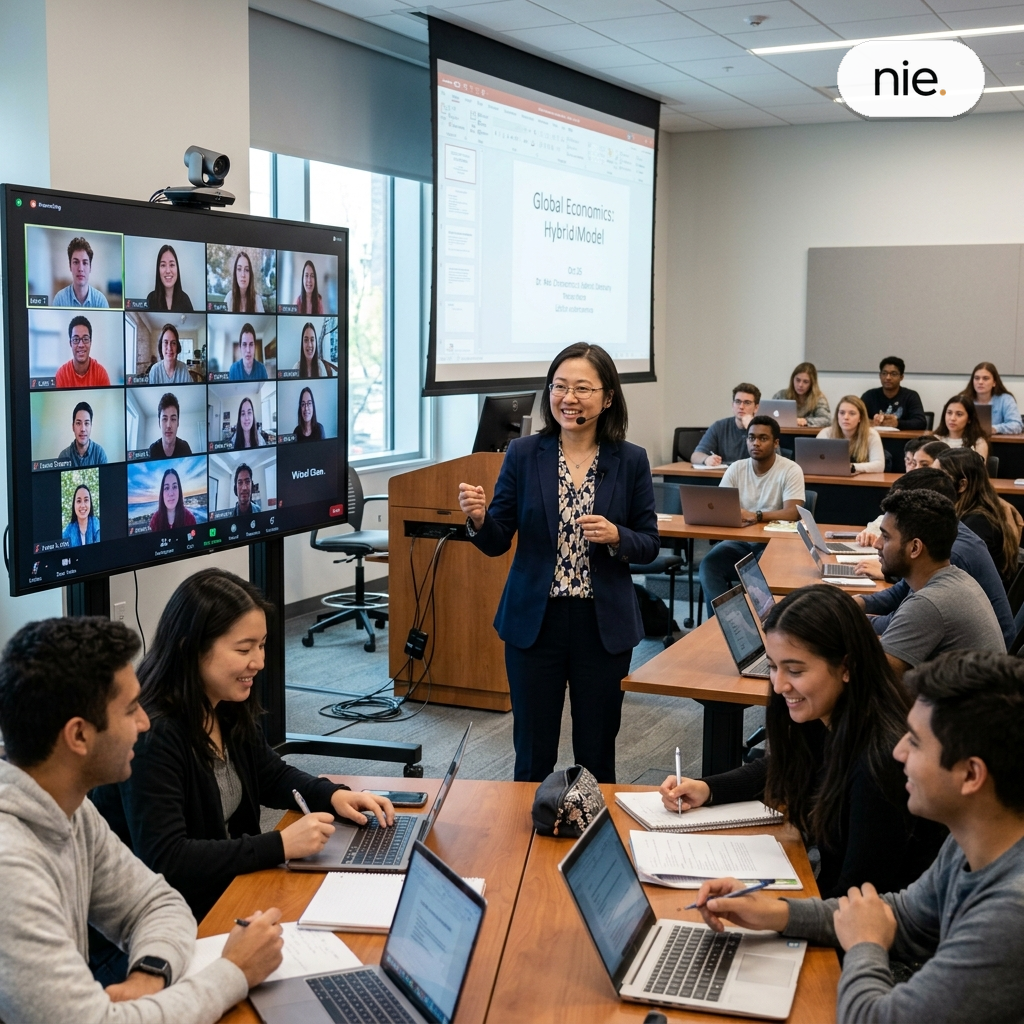
Mô hình Lớp học AI Toán học: Cỗ máy tương tác thông minh
Thách thức thực tế và giải pháp tối ưu
Ý tưởng về lớp học AI Toán học nghe có vẻ hấp dẫn, nhưng thực tế triển khai lại đầy rẫy chông gai. Chúng ta không thể bỏ qua các rào cản. Chi phí đầu tư ban đầu cho phần cứng, phần mềm, giấy phép sử dụng có thể rất lớn. Đặc biệt với các trường học ở khu vực kinh tế khó khăn, đây là một thách thức không hề nhỏ. Chưa kể đến việc tích hợp các hệ thống AI mới vào hạ tầng công nghệ thông tin hiện có, thường là cũ kỹ và thiếu đồng bộ. Một cơn đau đầu thực sự cho đội ngũ IT.
Một vấn đề khác, nhưng không kém phần quan trọng, là sự sẵn sàng của đội ngũ giáo viên. Không phải ai cũng thoải mái với công nghệ mới. Có thể có sự lo lắng về việc AI sẽ thay thế vai trò của họ, hoặc đơn giản là cảm thấy quá tải với việc học cách sử dụng một nền tảng phức tạp. Bảo mật dữ liệu học sinh cũng là một mối lo thường trực. Thông tin cá nhân, kết quả học tập – chúng cần được bảo vệ nghiêm ngặt. Phải làm sao để đảm bảo an toàn tuyệt đối? Đó là câu hỏi lớn. Sự cố dù nhỏ cũng có thể gây hậu quả khôn lường.
Vậy giải pháp là gì? Không có giải pháp “một kích cỡ cho tất cả”. Tuy nhiên, một số hướng đi có thể giúp giảm thiểu rủi ro. Thứ nhất, bắt đầu với các dự án thí điểm nhỏ. Đừng vội vàng áp dụng trên diện rộng. Hãy chọn một vài lớp học, một vài giáo viên tiên phong để thử nghiệm, thu thập phản hồi, và tinh chỉnh hệ thống. Thứ hai, đầu tư mạnh vào đào tạo giáo viên. Không chỉ là hướng dẫn sử dụng công cụ, mà là thay đổi tư duy sư phạm, giúp họ hiểu được AI là một đồng minh, không phải là đối thủ. Thứ ba, chọn đối tác công nghệ uy tín, có kinh nghiệm trong việc xây dựng các giải pháp an toàn và tùy biến. Một hệ thống linh hoạt luôn tốt hơn một hệ thống cứng nhắc. Cuối cùng, cần có một chiến lược rõ ràng về bảo mật dữ liệu, tuân thủ các quy định pháp luật và xây dựng lòng tin với phụ huynh, học sinh. Minh bạch là chìa khóa.
Giải đáp thắc mắc thường gặp về Lớp học AI Toán học (FAQ)
Dưới đây là một số câu hỏi phổ biến mà các trường học và phụ huynh thường đặt ra khi cân nhắc ứng dụng AI vào giảng dạy Toán:
AI có thay thế hoàn toàn vai trò của giáo viên trong giờ Toán không?
Tuyệt đối không. AI là một công cụ hỗ trợ mạnh mẽ, giúp cá nhân hóa việc học, cung cấp phản hồi tức thì và phân tích dữ liệu chuyên sâu. Nhưng nó không thể thay thế sự ấm áp, khả năng truyền cảm hứng, giải quyết vấn đề phức tạp ngoài phạm vi thuật toán, hay phát triển kỹ năng mềm cho học sinh. Giáo viên sẽ chuyển từ người truyền đạt kiến thức chính sang vai trò của người cố vấn, người định hướng chiến lược học tập, và là nguồn động lực không thể thiếu. Một sự cộng tác.
Làm thế nào để đảm bảo dữ liệu học sinh được bảo mật khi sử dụng AI?
Bảo mật dữ liệu là ưu tiên hàng đầu. Các hệ thống lớp học AI Toán học cần tuân thủ nghiêm ngặt các tiêu chuẩn bảo mật quốc tế (như GDPR, COPPA) và luật pháp Việt Nam. Điều này bao gồm mã hóa dữ liệu, quản lý quyền truy cập chặt chẽ, và thường xuyên kiểm tra an ninh mạng. Hơn nữa, việc sử dụng dữ liệu cần minh bạch, với sự đồng ý rõ ràng từ phụ huynh và học sinh. Chọn nhà cung cấp có cam kết bảo mật cao là điều bắt buộc.
Chi phí triển khai một lớp học AI Toán học có quá cao không?
Chi phí là một yếu tố cần cân nhắc kỹ. Nó bao gồm phần mềm, phần cứng (máy tính bảng, thiết bị kết nối), cơ sở hạ tầng mạng, và chi phí đào tạo. Tuy nhiên, nhiều nhà cung cấp đang đưa ra các gói giải pháp linh hoạt, từ trả phí theo người dùng đến các mô hình thuê bao. Quan trọng là nhìn vào hiệu quả đầu tư dài hạn: khả năng cải thiện kết quả học tập, giảm tải cho giáo viên và tăng tương tác. Một phân tích ROI kỹ lưỡng sẽ giúp đưa ra quyết định hợp lý. Đừng nhìn vào giá thành ban đầu mà bỏ qua lợi ích về sau.
Kết luận và Lời mời hợp tác
Tương lai của giáo dục, đặc biệt là môn Toán, chắc chắn sẽ gắn liền với những giải pháp thông minh. Lớp học AI Toán học mang đến tiềm năng to lớn để phá vỡ sự thụ động, kiến tạo một môi trường học tập cá nhân hóa, đầy hứng khởi và tăng cường tương tác chưa từng có. Tuy nhiên, hành trình này không phải là một đường thẳng. Nó đòi hỏi sự chuẩn bị kỹ lưỡng, một chiến lược rõ ràng và sự hợp tác của toàn bộ cộng đồng giáo dục.
Nếu quý trường, tổ chức giáo dục đang tìm kiếm một đối tác đáng tin cậy để hiện thực hóa tầm nhìn về một mô hình giáo dục tiên tiến, Hộ kinh doanh Nguyễn Thông (NIE.vn) sẵn sàng đồng hành. Với kinh nghiệm chuyên sâu trong việc cung cấp các giải pháp công nghệ như Thiết kế Website chuẩn SEO, Phần mềm bản quyền, hệ thống E-learning và nhiều Giải pháp Công nghệ khác, chúng tôi hiểu rõ các thách thức và biết cách biến chúng thành cơ hội. Chúng tôi không chỉ cung cấp công nghệ. Chúng tôi cung cấp giải pháp thực tế, bền vững. Hãy cùng chúng tôi kiến tạo những lớp học AI Toán học hiệu quả, nơi mỗi học sinh đều có thể phát triển tối đa tiềm năng của mình.
2. English Version
For generations of students, dry, one-dimensional math lessons have often been a source of dread and anxiety. The all-too-common scene of a teacher tirelessly lecturing at the whiteboard, while students either nod off, mindlessly copy notes, or gaze distractedly out the window, is far from rare. Crucially, the vital element of interaction, which is fundamental for deep knowledge absorption and true understanding, has frequently been overlooked. What has been the consequence of this pervasive issue? Students struggle to grasp foundational concepts, lose their fundamental understanding of the subject, and, perhaps most tragically, shed any budding passion for what is inherently a logical, elegant, and beautiful science. We’ve explored a myriad of pedagogical approaches, from curriculum reform and textbook overhauls to engaging extracurricular activities, yet the core problem persists in the very way information is conveyed and received within the classroom itself. Could technology, specifically Artificial Intelligence (AI), genuinely offer a transformative way forward? Is it truly possible that an AI Math Classroom could fundamentally revolutionize the learning experience, shifting it from passive reception to active engagement, from tedious obligation to genuine excitement?
The answer to that question is not a simple ‘yes’ or ‘no’. Integrating AI into mathematics education is not a panacea, nor is it some miraculous quick fix. It is, unequivocally, a powerful tool—a formidable asset in the educator’s arsenal. However, its ultimate effectiveness hinges entirely on how judiciously we choose to employ it, and how thoughtfully we integrate it into existing educational frameworks and systems. Harboring the expectation that AI will autonomously resolve every instructional challenge without requiring strategic investment in both infrastructure and human capital would be a profound and costly error. A critical miscalculation, in fact. We must confront its inherent nature directly: what are AI’s true capabilities? Which specific bottlenecks in current learning models can it effectively address? And, perhaps most crucially, what potential risks and ethical considerations must be thoroughly anticipated and mitigated before rushing into widespread deployment? Simply slapping an “intelligent” label on something doesn’t instantly imbue it with intelligence or efficacy. A clear-eyed, pragmatic perspective is absolutely essential.
The Core Essence: How AI Transforms Interaction in Math Class
At its very core, AI within an AI Math Classroom functions as a sophisticated, ever-present, and highly responsive hyper-assistant. Its fundamental mechanism revolves around the meticulous analysis of vast amounts of learning data harvested from each individual student. This goes far beyond merely logging final test scores. Advanced AI systems can precisely track problem-solving speed, dissect the student’s thought processes step-by-step, pinpoint recurring errors, and even monitor the exact duration a student dedicates to specific types of problems or concepts. From this rich, granular data, the AI constructs a deeply personalized and dynamic learning profile for each student. This level of individualized insight and tailored attention is something that even the most dedicated and experienced human teacher would find virtually impossible to achieve consistently, especially when managing a classroom of several dozen students with diverse learning needs and paces.
Through the power of Machine Learning, the AI system adeptly identifies knowledge gaps or recognizes unique strengths inherent in each learner. For instance, if a student consistently falters on quadratic equations, despite having covered the topic, the AI won’t simply furnish the correct answer. Instead, it will intelligently propose targeted supplementary exercises designed to reinforce foundational knowledge, such as simplifying algebraic expressions, or even suggest alternative video tutorials that approach the concept from a different pedagogical angle. The interaction becomes inherently two-way and highly dynamic: the student provides an answer or attempts a solution, and the AI delivers instantaneous feedback coupled with detailed analytical insights. This eliminates the often-stressful wait for a teacher’s availability and removes the apprehension of making errors in front of peers. Students are actively encouraged to experiment, to make mistakes, and, crucially, to self-correct along a learning trajectory that is intelligently guided by the AI. This embodies a truly dynamic curriculum and an authentic, personal learning journey. That, fundamentally, is the true power of AI in education—not merely a promise of higher scores, but a profound transformation in how learning itself unfolds.
Practical Benefits and Tangible Value Delivered
Implementing an AI Math Classroom transcends being merely a technological investment; it represents a fundamental paradigm shift in educational philosophy and practice. The profound value it delivers extends far beyond simply improving test scores, permeating instead the very fabric of how students engage with the subject matter and how educators manage and orchestrate the learning environment. Let us delve into the distinct and compelling differences:
| Feature/Aspect | Traditional Classroom | AI Math Classroom |
|---|---|---|
| Student Interaction | Limited, often one-way; students hesitate to ask questions, fearful of making errors. Interaction is primarily with the teacher, often leaving many unheard. | Instant, personalized feedback fosters a safe, non-judgmental environment for trial and error. Students actively engage with the material and receive targeted guidance without public scrutiny. |
| Personalized Learning Paths | Extremely challenging to implement for each individual student in a large, diverse class. Teachers struggle to cater to every unique learning pace and style. | AI automatically adjusts exercises, content difficulty, and learning pace based on individual aptitude and progress. Each student receives a bespoke educational journey. |
| Performance Assessment & Analysis | Manual, time-consuming, often relying solely on summative end-of-term scores. Provides a snapshot rather than a comprehensive view of learning. | In-depth, granular analysis with real-time progress tracking, identifying strengths and weaknesses across various sub-topics. Offers predictive insights and actionable data for intervention. |
| Teacher’s Role | Primarily knowledge dissemination; limited time for one-on-one mentorship or addressing individual struggles in depth. Often burdened by administrative tasks. | Transforms into a facilitator, strategic mentor, and specialized interventionist. Teachers can focus on complex challenges, inspire critical thinking, and address socio-emotional needs. |
It becomes unequivocally clear that AI is more than just an innovative teaching tool; it serves as an indispensable assistant, liberating educators from repetitive, administrative tasks. This newfound freedom allows teachers to redirect their energy and expertise towards higher-order pedagogical functions: inspiring curiosity, fostering deep intellectual engagement, expertly answering complex queries, and cultivating essential critical thinking skills in their students. This represents a substantial and meaningful shift in the educational landscape. It is, in essence, a comprehensive upgrade to the entire teaching and learning ecosystem.
The AI Math Classroom Model: An Intelligent Interaction Engine
Real-world Challenges and Optimal Solutions
The enticing vision of an AI Math Classroom, while inherently appealing, often encounters a multitude of practical hurdles during real-world implementation. We cannot afford to overlook these significant barriers. The initial capital outlay for hardware, software licenses, and robust network infrastructure can be substantial. This presents a particularly formidable challenge for educational institutions located in economically disadvantaged regions, where budget constraints are often severe. Furthermore, integrating advanced AI systems into existing IT infrastructure, which is frequently outdated, fragmented, and lacking in standardization, can become a genuine headache for any IT department tasked with such a complex modernization effort. It’s a complex puzzle involving interoperability, scalability, and system compatibility.
Another critical, yet often underestimated, challenge is the readiness and comfort level of the teaching staff. Not all educators are immediately comfortable embracing new technologies, particularly those that appear to fundamentally alter traditional teaching methodologies. There can be understandable apprehension regarding AI potentially supplanting their roles, or simply feeling overwhelmed by the steep learning curve associated with mastering a complex new platform. Beyond this, student data privacy and security remain a perennial and paramount concern. Personal information, academic performance records, and behavioral data—all collected by AI systems—require stringent protection against unauthorized access or breaches. How can absolute data security be guaranteed in a world of increasingly sophisticated cyber threats? This is a fundamental question, as even a minor incident could have far-reaching and irreversible consequences for trust and reputation.
So, what are the actionable solutions to navigate these intricate challenges? There is no universally applicable “one-size-fits-all” solution. However, several strategic approaches can significantly mitigate risks and pave the way for successful integration. Firstly, it is prudent to commence with small-scale pilot projects. Avoid the temptation to implement on a broad scale prematurely. Instead, select a handful of classrooms and a cadre of pioneering teachers to rigorously test the system, meticulously gather feedback, and continuously refine the platform based on real-world usage. Secondly, invest heavily in comprehensive teacher training. This should extend beyond mere technical instruction on how to operate the tools; it must also involve a transformative shift in pedagogical mindset, helping educators understand that AI is a powerful ally, not a competitor. Thirdly, meticulously select reputable technology partners with proven experience in developing secure, scalable, and customizable educational solutions. A flexible and adaptable system will always outperform a rigid, inflexible one. Finally, and perhaps most importantly, a robust and transparent data security strategy is non-negotiable. This involves strict adherence to legal regulations, proactive risk management, and the proactive cultivation of trust with parents and students through clear communication and accountability. Transparency, in every sense, is truly the cornerstone of successful AI adoption in education.
Frequently Asked Questions (FAQ) about the AI Math Classroom
Below are some of the most common questions and concerns that schools and parents frequently raise when contemplating the integration of AI into mathematics instruction:
Will AI completely replace the role of teachers in math class?
Absolutely not. AI is designed as a powerful supportive tool, engineered to personalize learning experiences, deliver immediate feedback, and offer profound data analytics. However, it simply cannot replicate the warmth, the inspiring motivation, the ability to address complex problems beyond algorithmic scope, or the nuanced development of critical soft skills that a human teacher provides. Instead, the teacher’s role will elegantly evolve from being the primary knowledge dispenser to becoming a crucial mentor, a strategic learning guide, and an indispensable source of motivation and emotional support. It signifies a profound collaboration between human intuition and artificial intelligence, each complementing the other’s unique strengths.
How can student data be ensured secure when using AI?
Data security is, without question, a paramount priority. Any reputable AI Math Classroom system must rigorously adhere to stringent international security standards (such as GDPR, COPPA, or equivalent regional regulations) and relevant national laws. This comprehensive approach includes robust data encryption protocols, strictly enforced access controls, regular and thorough cybersecurity audits, and a commitment to immediate vulnerability patching. Furthermore, the use of student data must be transparent, requiring explicit and informed consent from both parents and students. Partnering with a vendor that demonstrates an unwavering commitment to data privacy and security best practices is an absolute prerequisite, safeguarding sensitive information with the utmost diligence.
Is the cost of implementing an AI Math Classroom prohibitively high?
Cost is indeed a significant factor that demands careful consideration. It typically encompasses expenses for software licenses, necessary hardware (such as tablets or interactive display devices), network infrastructure upgrades, and comprehensive training for staff. However, a growing number of providers are now offering flexible solution packages, ranging from per-user licensing models to adaptable subscription-based services. The critical perspective here is to evaluate the long-term return on investment (ROI): the potential for dramatic improvements in learning outcomes, reduced administrative burden on teachers, and significantly increased student engagement. A thorough and detailed ROI analysis will be instrumental in making an informed and judicious decision. It is vital not to be deterred solely by the initial upfront cost, neglecting the profound and lasting benefits that can be realized over time.
Conclusion and Invitation to Collaborate
The future of education, particularly in the realm of mathematics, is undoubtedly intertwined with smart, adaptive solutions. The AI Math Classroom holds immense promise, offering a powerful avenue to dismantle passive learning paradigms and cultivate a personalized, exhilarating, and unprecedentedly interactive educational environment. However, this transformative journey is not a simple, linear path. It demands meticulous preparation, a clearly articulated strategic vision, and the collaborative engagement of the entire educational community, from administrators to educators and parents.
If your esteemed school or educational organization is actively seeking a trusted partner to realize the vision of an advanced educational model, Hộ kinh doanh Nguyễn Thông (NIE.vn) stands ready to collaborate with you. With deep-seated expertise in delivering cutting-edge technology solutions such as SEO-optimized Website Design, licensed Software, comprehensive E-learning systems, and a myriad of other Technology Solutions, we possess a profound understanding of the inherent challenges and the nuanced ability to transform these into tangible opportunities. We offer more than just technology; we provide practical, sustainable, and impactful solutions. Join us in co-creating highly effective AI Math Classrooms where every student can unlock and develop their fullest potential, fostering a generation of confident, capable, and passionate learners.
3. 中文版
枯燥、单向的数学课,曾是无数代学生的噩梦。课堂上,教师在黑板前滔滔不绝,学生们或昏昏欲睡地抄写笔记,或心不在焉地望着窗外,这样的场景屡见不鲜。互动——知识深入吸收的核心要素——却常常被忽视。结果呢?学生基础知识不牢固,甚至失去根基,更重要的是,他们对这门逻辑严谨、美妙的科学失去了应有的兴趣。我们尝试了各种教学方法,从改革教科书到开展课外活动,但根本问题仍然在于课堂内信息传递和接收的方式。那么,科技,特别是人工智能(AI),是否正预示着一条真正的出路?**AI数学课堂**能否真正将学习体验从被动变为主动,从枯燥变为充满乐趣?
答案并非简单的“是”或“否”。将AI应用于数学教学并非灵丹妙药,更不是神奇的魔术。它确实是一个强大的工具。但其效果如何,取决于我们如何使用,以及如何将其巧妙地整合到现有系统中。期待AI无需策略和人力投入就能自动解决所有问题,这是一个巨大的错误,一个非常大的错误。我们需要直面其本质:AI具备哪些核心能力?它能解决哪些教育痛点?更重要的是,在仓促部署之前,需要预见并评估哪些潜在风险?并非贴上“智能”标签,一切就会立刻变得智能。我们需要保持清醒、理性的头脑。
核心本质:AI如何改变数学课中的互动?
从根本上说,**AI数学课堂**中的AI扮演着一个卓越、精细且随时待命的助手角色。其核心机制围绕着分析每个学生的海量学习数据。AI不仅限于最终成绩,它还能实时跟踪解题速度、思维步骤、常见错误,甚至学生在每种题型上花费的时间。由此,它能为每个学生建立一份深度个性化的学习档案。这对于一位老师来说,无论多么尽心尽力,都难以在几十名学生的传统课堂上全面且细致地实现。
AI系统通过机器学习(Machine Learning),能够精准识别每个学生的知识漏洞或独特优势。例如,如果一个学生在学习了二次方程后仍然反复犯错,AI不会仅仅给出正确答案。它会根据学生的具体问题,推荐关于基础知识的深度补充练习,例如简化表达式,或者甚至建议通过不同方法讲解的教学视频。互动是双向且即时的:学生给出答案,AI立即给出详细分析和反馈。不再需要漫长等待,不再害怕在同学面前犯错。学生被鼓励大胆尝试、允许犯错,并能根据AI指导的路径自我纠正和提升。这是一种动态的课程。一种高度个性化的学习体验。这才是AI数学课堂真正的力量所在,而不仅仅是简单地提高分数。
实际效益与价值
部署**AI数学课堂**不仅仅是对技术的投资,更是教育理念上的一次深刻转变。它带来的价值不仅限于提高学生分数,更在于学生与学科的互动方式以及教师管理课堂的方式。让我们来看看它所带来的显著差异:
| 特性/方面 | 传统课堂 | AI数学课堂 |
|---|---|---|
| 学生互动 | 有限,通常是单向的;学生较少主动提问,害怕犯错。 | 即时反馈,高度个性化;提供安全的试错环境。 |
| 个性化学习路径 | 对于大班教学的每个学生来说,几乎很难实现个性化。 | AI根据学生个人能力自动调整练习难度和学习速度。 |
| 评估与表现分析 | 手动操作,耗时,通常仅基于期末成绩。 | 深入、详细的分析,实时跟踪学习进度。 |
| 教师角色 | 主要负责知识传授;很少有时间进行一对一辅导。 | 转变为引导者、战略顾问;专注于处理学生的疑难问题。 |
显然,AI不仅是一个教学工具,它更是一个强大的助手,帮助教师从重复性工作中解放出来,让他们能够专注于更高层次的教学方面:激发学生学习灵感、解答复杂疑问,以及培养批判性思维能力。这是一次教育模式的显著转变,一次全面且深入的升级。
AI数学课堂模型:智能互动引擎
实际挑战与优化方案
**AI数学课堂**的理念听起来固然吸引人,但实际部署却充满挑战。我们不能忽视这些客观存在的障碍。硬件、软件和许可的初始投资可能非常巨大。特别是对于经济欠发达地区的学校来说,这是一项不小的挑战。更不用说将新的AI系统整合到通常老旧且缺乏统一性的现有信息技术基础设施中,这对于IT团队来说,真是一件令人头疼的事。
另一个同样重要的问题是教师团队的准备情况。并非所有人都乐于或习惯接受新技术。他们可能会担心AI会取代他们的教学角色,或者仅仅是觉得学习使用一个复杂的平台会让他们不堪重负,产生焦虑情绪。学生数据安全也是一个长期存在的担忧。个人信息、学习成绩——这些高度敏感的数据都需要受到严格保护。如何确保绝对安全?这是一个亟待解决的重大问题。即使是小小的安全事故也可能造成不可估量的后果。
那么解决方案是什么?没有“一刀切”的万能方案。然而,一些行之有效的方法可以帮助我们最大限度地降低风险。首先,从小规模试点项目开始。不要急于大规模全面应用。选择一些班级、一些积极的先锋教师进行试验,收集真实反馈,并在此基础上不断完善和优化系统。其次,大力投资教师培训。这不仅是指导他们如何使用AI工具,更是要转变其教学理念,帮助他们理解AI是课堂上的得力盟友,而非潜在的竞争对手。第三,选择信誉良好、在构建安全和可定制解决方案方面经验丰富的技术合作伙伴。灵活适应需求的系统总是优于僵化的系统。最后,需要制定明确的数据安全策略,严格遵守各项法律法规,并与家长、学生建立牢固的信任关系。透明化是成功的关键。
AI数学课堂常见问题解答 (FAQ)
以下是学校和家长在考虑将AI应用于数学教学时常问的一些普遍问题:
AI会完全取代数学课中教师的角色吗?
绝不会。AI是一个强大的辅助工具,它能够帮助实现学习的个性化,提供即时反馈和深入的数据分析。但它无法替代教师所带来的温暖、激发学生学习热情的独特能力、解决算法范围之外的复杂问题,或培养学生不可或缺的软技能。教师的角色将从主要的知识传授者转变为学生学习的顾问、策略指导者以及不可或缺的动力来源。这是一种高效的合作关系,而非取代。
如何确保在使用AI时学生数据的安全性?
数据安全是重中之重,也是我们高度重视的优先事项。所有的**AI数学课堂**系统都需要严格遵守国际安全标准(如GDPR、COPPA)和越南当地的法律法规。这包括对数据进行加密处理、实施严格的访问权限管理以及定期的网络安全审计。此外,数据的收集和使用必须保持透明,并获得家长和学生的明确同意。选择对数据安全有高度承诺、信誉良好的供应商是确保数据安全的必经之路。
部署AI数学课堂的成本会很高吗?
成本是一个需要仔细且全面考虑的因素。它通常包括软件授权、必要的硬件(如平板电脑、连接设备)、网络基础设施的建设以及教师培训费用。然而,许多供应商正在推出灵活的解决方案包,从按用户付费到各种订阅模式,以适应不同学校的需求和预算。更重要的是,我们应该着眼于其长期投资回报:AI数学课堂能够显著提高学习成绩、有效减轻教师负担并增强学生的互动参与度。进行彻底的投资回报分析将有助于教育机构做出合理且明智的决定。切勿只看初始成本而忽视了其带来的长远教育效益和价值。
结论与合作邀请
教育的未来,特别是数学学科,无疑将与智能解决方案紧密相连。**AI数学课堂**带来了巨大的潜力,它能够打破传统教学的被动局面,开创一个前所未有的个性化、充满活力并高度互动的学习环境。然而,这条创新之路并非一帆风顺。它需要充分的准备、清晰的战略规划以及整个教育界的通力合作与支持。
如果贵校或教育机构正在寻找一个可靠的合作伙伴,共同实现先进教育模式的愿景,Nguyễn Thông(NIE.vn)个体工商户随时准备与您携手同行。凭借在提供各项技术解决方案方面的深厚经验,例如符合SEO标准的网站设计、正版软件、E-learning系统以及其他多种技术解决方案,我们深知这些挑战,并懂得如何将其转化为宝贵的机遇。我们不仅提供尖端技术,更提供实用且可持续的教育解决方案。让我们携手共创高效的**AI数学课堂**,让每个学生都能最大限度地发挥他们的潜能,享受学习的乐趣。
🤖 Đội Ngũ AI Tự Hành 24/7
Tự động hóa quy trình nghiệp vụ, cào dữ liệu, xử lý tài liệu và đối soát báo cáo liên tục không ngừng nghỉ.
✍️ AI Sáng Tạo Nội Dung
Tự động viết bài chuẩn SEO, thiết kế Infographic và phân phối đa kênh lên Website, Facebook Fanpage.
🔗 Kết Nối n8n & Webhooks
Tích hợp liền mạch với Google Workspace, CRM, Zalo OA, Telegram và hệ thống cơ sở dữ liệu doanh nghiệp.
🧠 Đa Mô Hình AI Tiên Tiến
Ứng dụng linh hoạt Google Gemini Pro, OpenAI GPT, Claude 3.5 và các mô hình mã nguồn mở DeepSeek/Ollama.
🎓 Khóa Học AI Thực Chiến
Chương trình đào tạo từ cơ bản đến nâng cao: Làm chủ AI Agents, Prompt Engineering và Tự động hóa 0đ chi phí.
💎 Tài Khoản AI Doanh Nghiệp
Cung cấp gói tài khoản Google One 2TB, Gemini Advanced, ChatGPT Plus bản quyền giá ưu đãi.
🏢 Đơn Vị Pháp Lý Rõ Ràng
HỘ KINH DOANH CÔNG NGHỆ VÀ GIÁO DỤC NGUYỄN THÔNG (MST: 6000861747-001). Cung cấp hóa đơn và hợp đồng đầy đủ.
🔒 Bảo Mật Dữ Liệu Khách Hàng
Tuân thủ nghiêm ngặt Nghị định 13/2023/NĐ-CP về bảo vệ dữ liệu cá nhân và bí mật kinh doanh của khách hàng.