
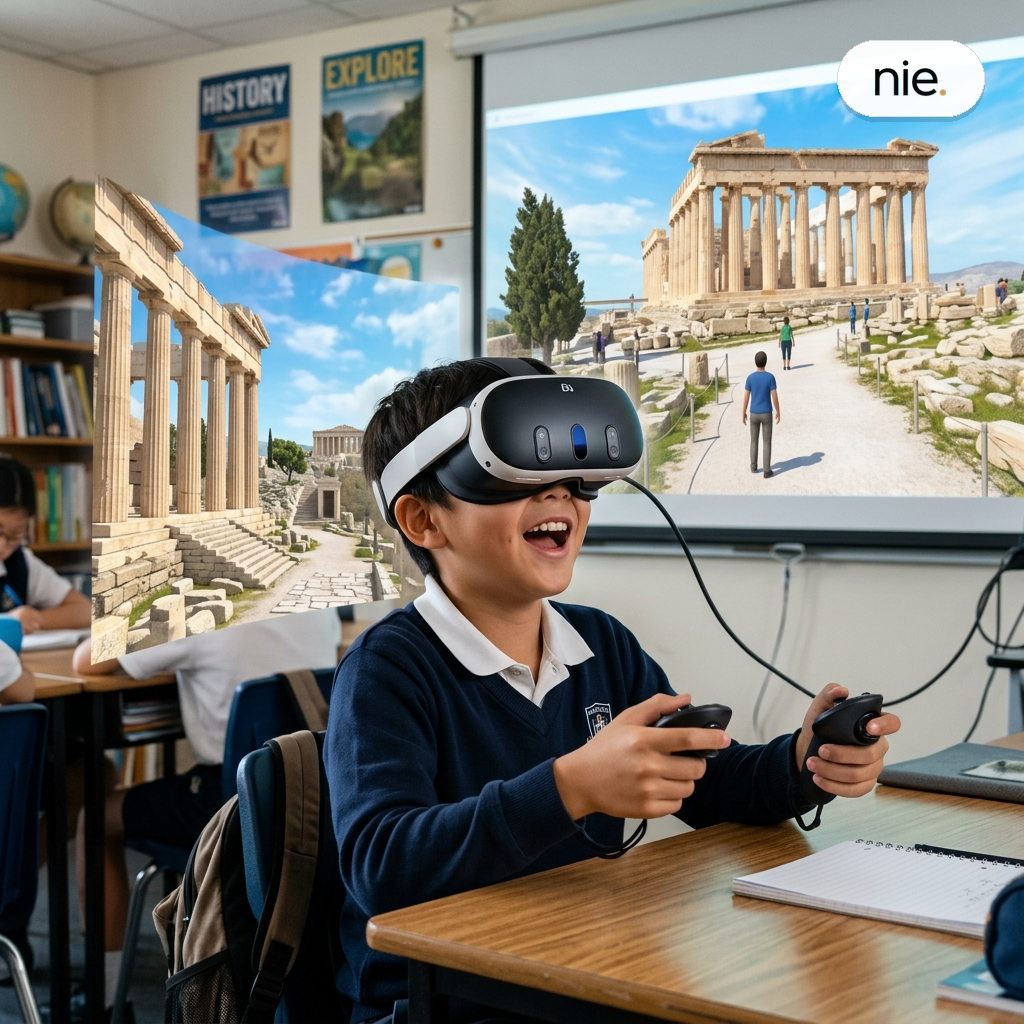
1. Phiên bản Tiếng Việt
Hàng ngàn học sinh tại các huyện miền núi vẫn đang học vật lý, hóa học qua những trang sách giấy ố vàng với hình ảnh minh họa tĩnh. Những thí nghiệm hóa chất đắt đỏ hay máy gia tốc hạt là thứ xa xỉ, nằm ngoài tầm với của ngân sách trường công vùng sâu vùng xa. Sự chênh lệch về chất lượng đào tạo không chỉ nằm ở giáo viên mà còn ở khả năng tiếp cận công cụ thực hành. Đưa phòng thí nghiệm ảo về những bản làng không đơn thuần là cài đặt một phần mềm, đó là nỗ lực san bằng khoảng cách giữa lý thuyết khô khan và sự hiểu biết thực chất. Liệu mô phỏng máy tính có thể thay thế hoàn toàn cảm giác chạm tay vào dụng cụ thí nghiệm? Rất khó. Nhưng đó là phương án khả dĩ nhất để bắt đầu.
Bản chất của mô phỏng tương tác
Phòng thí nghiệm ảo không phải là trò chơi điện tử mang vỏ bọc giáo dục. Đó là các mô hình toán học tái lập phản ứng hóa học hoặc định luật vật lý dựa trên các tham số thực tế. Khi học sinh thay đổi áp suất trong một ống nghiệm ảo, phần mềm tính toán kết quả dựa trên các phương trình chuẩn xác thay vì dùng hiệu ứng hình ảnh ngẫu nhiên. Đây là cơ chế mô phỏng dựa trên dữ liệu (data-driven simulation). Điểm khác biệt nằm ở chỗ, học sinh có thể lặp lại thí nghiệm một trăm lần mà không tốn chi phí cho hóa chất hay lo ngại về rủi ro cháy nổ. Đối với những ngôi trường thiếu thốn cơ sở vật chất, khả năng mô phỏng các môi trường phòng thí nghiệm đạt chuẩn quốc tế chính là chiếc cầu nối thực tế nhất để các em làm quen với tư duy khoa học hiện đại.
So sánh giữa Phòng thí nghiệm truyền thống và ảo
| Tiêu chí | Phòng thí nghiệm truyền thống | Lợi ích phòng thí nghiệm ảo |
|---|---|---|
| Chi phí triển khai | Rất cao (mua sắm, bảo trì định kỳ) | Thấp (đầu tư thiết bị đầu cuối) |
| Độ an toàn | Tiềm ẩn nguy cơ hóa chất, điện | Tuyệt đối an toàn |
| Phạm vi thí nghiệm | Giới hạn bởi kho bãi | Không giới hạn mô phỏng phức tạp |
Quy trình tích hợp tài liệu tương tác
Số hóa nội dung sách điện tử
Nhúng video & audio bài giảng
Kích hoạt câu hỏi tương tác
Rào cản và thực tế khắc nghiệt
Triển khai mô hình này tại vùng sâu vùng xa không bao giờ là trải thảm đỏ. Vấn đề nhức nhối nhất chính là hạ tầng mạng và thiết bị đầu cuối. Phần mềm mô phỏng nặng nề sẽ trở thành “cục gạch” nếu máy tính cấu hình thấp hoặc đường truyền internet chập chờn. Hơn nữa, việc thiếu đội ngũ kỹ thuật tại chỗ để xử lý lỗi phát sinh khiến dự án dễ đổ vỡ chỉ sau vài tháng triển khai. Giải pháp không nằm ở việc đổ tiền vào thiết bị cao cấp, mà ở việc chọn lọc các giải pháp phần mềm nhẹ, chạy offline ổn định và chú trọng đào tạo kỹ năng số cho giáo viên bản địa. Cần sự thực dụng. Chỉ khi công nghệ vận hành bền bỉ với điều kiện khắc nghiệt, nó mới mang lại giá trị thực sự cho học sinh.
Giải đáp thắc mắc thường gặp
Phòng thí nghiệm ảo có làm giảm khả năng tư duy thực tế của học sinh không?
Có, nếu lạm dụng. Công nghệ này chỉ nên đóng vai trò bổ trợ. Việc để học sinh hoàn toàn rời xa dụng cụ vật lý sẽ tạo ra thế hệ “biết mô phỏng nhưng vụng về thực hành”. Giáo viên cần kết hợp khéo léo để công cụ này là bệ phóng cho các thí nghiệm trực tiếp sau này.
Chi phí ẩn khi triển khai hệ thống này là gì?
Chi phí không dừng lại ở bản quyền phần mềm. Bạn sẽ mất thêm ngân sách cho đào tạo giáo viên, nâng cấp phần cứng định kỳ và duy trì hệ thống nội dung số (sách điện tử tương tác). Đừng coi thường các chi phí bảo trì hệ thống này.
Tại sao nên ưu tiên sách điện tử tích hợp video/câu hỏi?
Vì nó tạo ra trải nghiệm đa giác quan. Học sinh vùng xa thường gặp khó khăn với văn bản thuần túy. Video minh họa trực quan cùng bộ câu hỏi đánh giá ngay tại chỗ sẽ tạo áp lực ôn tập cần thiết, buộc học sinh phải tư duy thay vì chỉ đọc lướt.
Kết luận
Đưa phòng thí nghiệm ảo vào trường học không phải là phép màu, đó là một lộ trình cần sự đầu tư bài bản về kỹ thuật và tư duy sư phạm. Nếu quý trường học hoặc các đơn vị giáo dục đang tìm kiếm giải pháp chuyển đổi nội dung sách sang định dạng số hóa tương tác, thiết kế website giáo dục chuyên nghiệp hoặc tích hợp hệ thống E-learning bền bỉ, đội ngũ tại NIE.vn – Hộ kinh doanh Nguyễn Thông luôn sẵn sàng hỗ trợ. Chúng tôi tập trung vào tính hiệu quả và sự tương thích cao nhất với hạ tầng thực tế của từng đơn vị thay vì đưa ra các giải pháp xa vời. Hãy để công nghệ phục vụ giáo dục bằng sự thực tế nhất.
2. English Version
Thousands of students in remote, mountainous regions still study physics and chemistry through yellowed, brittle textbook pages featuring static illustrations. Expensive chemical experiments or particle accelerators are luxuries, far beyond the reach of public school budgets in these isolated areas. The disparity in educational quality stems not only from the scarcity of qualified teachers but also from a profound lack of access to hands-on practical tools. Bringing virtual laboratories to these rural villages is more than just a software installation; it is a dedicated effort to bridge the chasm between dry, theoretical concepts and genuine scientific understanding. Can computer simulations ever fully replace the tactile experience of handling lab equipment? Admittedly, it is difficult. However, it remains the most viable starting point for meaningful change.
The Essence of Interactive Simulation
A virtual laboratory is far from an educational video game. Instead, these are sophisticated mathematical models that reconstruct chemical reactions or physical laws based on real-world parameters. When a student adjusts the pressure inside a virtual test tube, the software calculates the outcome using precise scientific equations rather than relying on arbitrary visual effects. This is the core of data-driven simulation. The key advantage here is that students can repeat an experiment a hundred times over without incurring costs for chemicals or worrying about the inherent risks of fire and explosions. For schools suffering from poor infrastructure, the ability to simulate international-standard laboratory environments serves as the most practical bridge for students to acquaint themselves with modern scientific reasoning.
Traditional vs. Virtual Laboratories: A Comparison
| Criteria | Traditional Laboratory | Virtual Lab Benefits |
|---|---|---|
| Implementation Cost | Very high (procurement, periodic maintenance) | Low (terminal device investment only) |
| Safety | Potential chemical/electrical hazards | Completely safe |
| Experiment Scope | Limited by storage and facilities | Unlimited complex simulations |
Interactive Material Integration Workflow
Digitize e-book content
Embed lecture video & audio
Activate interactive quizzes
Barriers and Harsh Realities
Rolling out this model in remote areas is never a “red carpet” affair. The most pressing issues are network infrastructure and terminal hardware. Heavy simulation software will quickly become “dead weight” if running on low-spec computers or unstable internet connections. Furthermore, the lack of on-site technical support to troubleshoot emerging errors often causes projects to collapse after only a few months of deployment. The solution does not lie in pouring money into high-end equipment; rather, it requires selecting lightweight software solutions that operate reliably offline, coupled with a focus on building digital literacy for local educators. We need pragmatism. Only when technology demonstrates lasting stability in harsh conditions can it truly deliver value to these students.
Frequently Asked Questions
Does a virtual laboratory diminish students’ real-world problem-solving skills?
It can, if overused. This technology should only play a supplementary role. Allowing students to completely abandon physical tools would foster a generation that is “sim-savvy but hands-on clumsy.” Educators must strike a delicate balance, using this tool as a springboard for future hands-on experiments rather than a permanent replacement.
What are the hidden costs of implementing such a system?
The expenses extend far beyond software licensing. You must account for the budget required for teacher training, periodic hardware upgrades, and the maintenance of the digital content ecosystem (interactive e-books). Never underestimate the ongoing overhead of system maintenance.
Why should we prioritize e-books integrated with video and quizzes?
Because they create a multi-sensory learning experience. Students in rural areas often struggle with text-heavy materials. Visual lecture illustrations combined with immediate assessment quizzes create a necessary cognitive challenge, forcing students to engage deeply rather than just skimming through the content.
Conclusion
Introducing virtual laboratories into schools is not a magic wand; it is a journey requiring methodical investment in both technology and pedagogical philosophy. If your institution or educational organization is seeking a solution for digitizing content into interactive formats, designing professional educational websites, or integrating robust E-learning systems, the team at NIE.vn – Nguyen Thong Business Household is always ready to assist. We prioritize efficiency and maximum compatibility with the real-world infrastructure of each unit rather than offering abstract, unattainable solutions. Let us serve education through the most practical application of technology.
3. 中文版
在偏远山区的县域,成千上万的学生依然通过泛黄的纸质教材学习物理和化学,面对的仅仅是静态的示意图。昂贵的化学试剂或粒子加速器,对于这些经济条件欠佳的公立学校而言,无疑是遥不可及的奢侈品。教育质量的鸿沟不仅在于师资力量的差异,更在于学生触及实验工具能力的匮乏。将虚拟实验室引入偏远山村,远不止安装一套软件那么简单,这是填补枯燥理论与真实认知之间鸿沟的一次深刻尝试。计算机模拟能否完全取代指尖触碰实验仪器的真实感?答案显然很难。但从现实角度出发,这却是目前最可行的破局方案。
交互式模拟的本质
虚拟实验室绝非披着教育外衣的电子游戏,而是基于物理真实参数,精确复现化学反应或物理定律的数学模型。当学生在虚拟试管中调节压强时,软件并非随机生成视觉特效,而是基于严谨的科学公式计算出实验结果。这就是数据驱动模拟(Data-driven Simulation)的核心机制。其优势在于,学生可以进行百次重复实验,而无需承担化学试剂成本,也无需担心火灾或爆炸等安全风险。对于那些基础设施匮乏的学校而言,能够模拟符合国际标准的实验室环境,正是引导学生接轨现代科学思维最务实的桥梁。
传统实验室与虚拟实验室的对比
| 指标 | 传统实验室 | 虚拟实验室的优势 |
|---|---|---|
| 部署成本 | 极高(采购、定期维护) | 较低(仅需终端设备) |
| 安全性 | 存在化学品与用电风险 | 绝对安全 |
| 实验范围 | 受限于仓库空间 | 无限制支持复杂模拟 |
互动教材整合流程
电子书内容数字化
嵌入视频与音频课程
激活交互式测试题
障碍与严峻的现实
在边远地区推行此类模式绝非一马平川。最大的痛点在于网络基础设施与终端硬件。对于配置较低的计算机或极不稳定的互联网连接,重型模拟软件往往会变成“沉重的砖头”。此外,本地缺乏专业技术人员来处理日常故障,导致许多项目在部署几个月后便陷入停滞。解决方案不在于盲目投入昂贵设备,而在于选择轻量级、支持离线稳定运行的软件方案,并重点提升当地教师的数字技能。我们需要的是务实精神。只有当技术能够在艰苦条件下持久运行,它才能为学生创造真正的价值。
常见问题解答
虚拟实验室会削弱学生的实际动手能力吗?
如果过度依赖,答案是肯定的。这项技术仅应作为辅助手段。完全脱离物理实验器材会培养出只会“模拟”却操作笨拙的学生。教师应巧妙地将二者结合,使虚拟工具成为后续线下真实实验的有力跳板。
部署该系统的隐性成本有哪些?
成本不仅限于软件授权费。您还需投入预算用于教师培训、硬件定期升级以及数字内容系统(如交互式电子书)的持续维护。切勿低估这些运维成本。
为什么应优先考虑集成视频与测验的电子书?
因为它创造了一种多感官的学习体验。边远地区的学生通常难以消化纯文字教材。视频的直观演示加上即时的评估测验,能形成必要的学习压力,迫使学生深入思考,而非仅仅浮光掠影地阅读。
结论
将虚拟实验室引入校园并非魔术,这是一项需要扎实技术投入与严谨教育学思维的系统工程。如果贵校或其他教育单位正在寻找将课本内容转化为数字交互格式的解决方案,或寻求专业教育网站设计及高兼容性的电子化学习系统(E-learning),NIE.vn – Nguyễn Thông 商业户团队随时为您提供支持。我们专注于实效性,并力求方案与各单位的现有基础架构实现最高兼容,而非提供空中楼阁般的空谈。让我们共同以最务实的方式,让技术真正赋能教育。
🤖 Đội Ngũ AI Tự Hành 24/7
Tự động hóa quy trình nghiệp vụ, cào dữ liệu, xử lý tài liệu và đối soát báo cáo liên tục không ngừng nghỉ.
✍️ AI Sáng Tạo Nội Dung
Tự động viết bài chuẩn SEO, thiết kế Infographic và phân phối đa kênh lên Website, Facebook Fanpage.
🔗 Kết Nối n8n & Webhooks
Tích hợp liền mạch với Google Workspace, CRM, Zalo OA, Telegram và hệ thống cơ sở dữ liệu doanh nghiệp.
🧠 Đa Mô Hình AI Tiên Tiến
Ứng dụng linh hoạt Google Gemini Pro, OpenAI GPT, Claude 3.5 và các mô hình mã nguồn mở DeepSeek/Ollama.
🎓 Khóa Học AI Thực Chiến
Chương trình đào tạo từ cơ bản đến nâng cao: Làm chủ AI Agents, Prompt Engineering và Tự động hóa 0đ chi phí.
💎 Tài Khoản AI Doanh Nghiệp
Cung cấp gói tài khoản Google One 2TB, Gemini Advanced, ChatGPT Plus bản quyền giá ưu đãi.
🏢 Đơn Vị Pháp Lý Rõ Ràng
HỘ KINH DOANH CÔNG NGHỆ VÀ GIÁO DỤC NGUYỄN THÔNG (MST: 6000861747-001). Cung cấp hóa đơn và hợp đồng đầy đủ.
🔒 Bảo Mật Dữ Liệu Khách Hàng
Tuân thủ nghiêm ngặt Nghị định 13/2023/NĐ-CP về bảo vệ dữ liệu cá nhân và bí mật kinh doanh của khách hàng.