

1. Phiên bản Tiếng Việt
Người dùng phổ thông vẫn thường mặc định rằng việc cài đặt một hệ điều hành mã nguồn mở đồng nghĩa với việc thoát khỏi sự kiểm soát của các tập đoàn công nghệ. Họ chuyển từ Windows sang Ubuntu, gỡ bỏ các trình theo dõi dữ liệu, rồi tự hào rằng mình đã làm chủ hoàn toàn thiết bị. Nhưng đó là một ảo tưởng ngọt ngào. Việc sử dụng Linux không phải là tấm khiên vạn năng chống lại mọi loại hình xâm nhập hay rò rỉ dữ liệu. Nếu bạn không hiểu cách hệ thống phân quyền vận hành, hoặc lười biếng trong việc cấu hình mã hóa ổ cứng, dữ liệu cá nhân của bạn vẫn nằm phơi mình trên mặt bàn, chờ đợi những kẻ có đủ kiên nhẫn để quét qua. Vấn đề nằm ở người dùng, không phải ở nhân (kernel). Bảo mật dữ liệu Linux đòi hỏi một tư duy khác biệt, nơi quyền lực đi kèm với sự hoài nghi thường trực.
Bản chất của quyền kiểm soát dữ liệu
Cấu trúc của Linux dựa trên triết lý “mọi thứ là một tệp tin”. Điều này cực kỳ mạnh mẽ nhưng cũng tiềm ẩn rủi ro nếu quyền sở hữu và quyền thực thi bị phân bổ sai lệch. Rất nhiều người dùng Ubuntu vẫn đang vận hành hệ thống dưới quyền sudo một cách vô tội vạ. Mỗi khi bạn gõ mật khẩu để thực hiện một tác vụ nhỏ, bạn đang vô tình mở toang cánh cửa cho bất kỳ đoạn mã độc nào chạy ngầm trong trình duyệt hoặc tệp tin tải về có thể leo thang đặc quyền. Bản quyền hệ điều hành miễn phí là một lợi thế, nhưng nó cũng là con dao hai lưỡi. Khi bạn không trả tiền cho bản quyền, trách nhiệm bảo mật hoàn toàn thuộc về bạn. Không có một đội ngũ hỗ trợ kỹ thuật trực chiến 24/7 để vá lỗ hổng thay bạn như cách các doanh nghiệp vẫn trả phí cho những giải pháp đóng. Bạn phải là quản trị viên của chính mình, phải tự mình quản lý danh sách truy cập (ACL) và giám sát các daemon đang chiếm dụng tài nguyên trong nền.
So sánh giá trị: Linux và các hệ điều hành thương mại
| Tiêu chí | Ubuntu (Linux) | Hệ điều hành thương mại |
|---|---|---|
| Kiểm soát dữ liệu | Hoàn toàn thuộc về người dùng | Chia sẻ với nhà cung cấp |
| Chi phí bản quyền | Miễn phí trọn đời | Phí duy trì hàng năm/theo máy |
| Tâm thế người dùng | Tự giác, chủ động | Phụ thuộc, bị động |
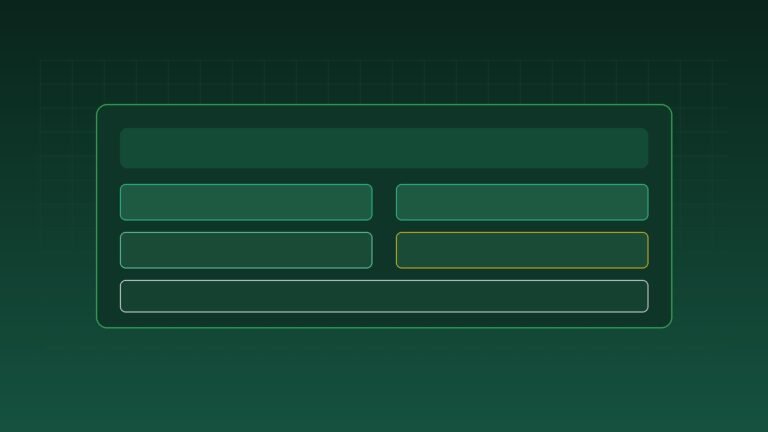
Quy trình Bảo mật Dữ liệu Linux
Thách thức triển khai và rào cản kỹ thuật
Người dùng mới thường gặp khó khăn với rào cản dòng lệnh. Sự tự do của Linux đòi hỏi một cái giá: kiến thức. Bạn không thể chỉ cài đặt và quên đi. Các rủi ro thường phát sinh từ việc sử dụng các repository bên thứ ba không xác thực. Một tệp lệnh cài đặt (install script) từ GitHub lạ có thể chứa mã độc chạy ngầm với quyền root mà bạn không hề hay biết. Để bảo vệ dữ liệu, hãy chỉ dùng các nguồn tin cậy, sử dụng các giải pháp container như Flatpak hoặc Snap để cô lập ứng dụng. Tuy nhiên, đừng quá lạm dụng. Càng nhiều lớp trừu tượng hóa, hệ thống càng trở nên nặng nề và khó kiểm soát lỗi. Sự đơn giản là chìa khóa của bảo mật. Hãy giữ hệ thống tinh gọn nhất có thể.
FAQ: Giải đáp những hiểu lầm
Ubuntu có thực sự miễn phí và an toàn cho người dùng cá nhân không?
Nó miễn phí bản quyền nhưng không miễn phí sự chú tâm của bạn. Độ an toàn phụ thuộc vào việc bạn có cấu hình LUKS để mã hóa dữ liệu trên ổ đĩa hay không. Nếu mất máy mà dữ liệu không mã hóa, Linux cũng không cứu được bạn.
Tại sao tôi phải lo lắng về quyền truy cập khi Linux vốn đã rất bảo mật?
Bảo mật không phải là trạng thái tĩnh. Các lỗ hổng zero-day trong kernel luôn hiện hữu. Việc quản lý quyền user/group không đúng cách sẽ khiến hệ thống của bạn trở thành bàn đạp cho các cuộc tấn công leo thang đặc quyền trong mạng nội bộ.
Có cần thiết phải cài phần mềm diệt virus trên Linux?
Dù không bị virus Windows tấn công, nhưng Linux vẫn là vật chủ trung chuyển cho tệp tin độc hại. Việc quét dữ liệu đầu vào là cần thiết nếu bạn thường xuyên trao đổi tệp tin với người dùng các hệ điều hành khác.
Việc làm chủ Linux là một quá trình học hỏi liên tục. Nếu bạn đang tìm kiếm sự hỗ trợ chuyên sâu để triển khai hạ tầng dữ liệu an toàn, hoặc cần tư vấn về các giải pháp phần mềm bản quyền và quản trị hệ thống chuẩn chỉnh, Nguyễn Thông (NIE.vn) với kinh nghiệm triển khai công nghệ thực chiến sẵn sàng đồng hành cùng bạn. Từ thiết kế website chuẩn SEO cho đến xây dựng nền tảng E-learning và các hệ thống quản trị dữ liệu tinh gọn, chúng tôi cung cấp những giải pháp thực tế, không hoa mỹ, tập trung hoàn toàn vào sự ổn định và hiệu quả bền vững cho công việc của bạn.
2. English Version
Many casual users operate under the assumption that switching to an open-source operating system is a one-way ticket to escaping the reach of Big Tech. They migrate from Windows to Ubuntu, strip out telemetry, and take pride in the belief that they have achieved total ownership of their device. Yet, this is a seductive illusion. Relying on Linux is not a universal shield against every form of intrusion or data exfiltration. If you don’t grasp how permission architectures function, or if you are lax in configuring drive encryption, your sensitive data remains exposed on the digital surface, waiting for a persistent actor to sweep through. The vulnerability lies in the user, not the kernel. True Linux data security demands a shift in mindset—a realm where authority is inseparable from constant vigilance.
The Nature of Data Sovereignty
The architecture of Linux is built on the philosophy that “everything is a file.” This is undeniably powerful, but it harbors hidden risks if ownership and execution rights are mismanaged. Countless Ubuntu users run their systems with reckless sudo abandonment. Every time you enter your password to perform a menial task, you are inadvertently propping open the door, allowing any malicious code lurking in your browser or a downloaded file to potentially escalate its privileges. While having a free operating system is a distinct advantage, it is a double-edged sword. When you pay nothing for a license, the burden of security shifts entirely to your shoulders. There is no 24/7 technical support team standing by to patch vulnerabilities for you, as is the case with enterprise-grade closed-source solutions. You must be your own sysadmin, manually managing Access Control Lists (ACLs) and monitoring the background daemons that are silently consuming your system resources.
Comparative Analysis: Linux vs. Commercial Operating Systems
| Criteria | Ubuntu (Linux) | Commercial OS |
|---|---|---|
| Data Control | Absolute user sovereignty | Shared with the vendor |
| Licensing Cost | Free for life | Subscription or per-device fee |
| User Mindset | Proactive, self-reliant | Dependent, passive |
Linux Data Security Workflow
Implementation Challenges and Technical Hurdles
Newcomers often stumble over the CLI (Command Line Interface) barrier. The freedom afforded by Linux exacts a toll: expertise. You cannot simply “install and forget.” Risks frequently originate from utilizing unauthenticated third-party repositories. An obscure install script pulled from GitHub might contain a malicious payload that executes with root privileges while you remain oblivious. To safeguard your data, stick to trusted sources and leverage containerized solutions like Flatpak or Snap to isolate your applications. However, beware of overkill. The more layers of abstraction you introduce, the heavier and harder to debug your system becomes. Simplicity is the bedrock of security; keep your environment as lean and clean as possible.
FAQ: Debunking Common Misconceptions
Is Ubuntu truly free and safe for the average individual user?
It is free in terms of licensing, but it is not free in terms of the attention it requires. Your safety hinges entirely on whether you have configured LUKS to encrypt your data. If your machine is lost or stolen without disk encryption, even the most robust Linux distro cannot save your data from prying eyes.
Why should I worry about permissions when Linux is inherently secure?
Security is not a static state. Zero-day kernel vulnerabilities are a constant reality. Improper management of user and group permissions turns your workstation into a potential pivot point for privilege escalation attacks within your local network.
Is it necessary to run antivirus software on Linux?
While you are largely immune to traditional Windows-based viruses, Linux can still act as a carrier for malicious files. Scrutinizing input data remains essential, especially if you frequently exchange files with users of other operating systems.
Mastering Linux is a journey of continuous learning. If you are seeking professional assistance to deploy a secure data infrastructure, or require consultation on licensed software solutions and optimized system administration, Nguyen Thong (NIE.vn) brings years of hands-on experience to the table. From building SEO-optimized websites to developing streamlined E-learning platforms and robust data management systems, we provide practical, no-nonsense solutions focused entirely on stability and long-term operational efficiency.
3. 中文版
许多普通用户常有一种默认的误区:认为安装开源操作系统就意味着彻底摆脱了科技巨头的掌控。他们从 Windows 迁移到 Ubuntu,删除了各种数据追踪器,便心满意足地认为自己完全掌握了设备的控制权。然而,这不过是一种美好的幻觉。使用 Linux 并非是一块能抵御所有入侵或数据泄露的“万能盾牌”。如果你不理解系统的权限运作机制,或在磁盘加密配置上敷衍了事,你的个人数据依然赤裸裸地暴露在桌面上,静候着那些耐心十足的恶意扫描者。问题的症结在于用户本身,而非内核(Kernel)。Linux 数据安全需要一种全新的思维方式,在这种模式下,权力的获取必然伴随着永恒的警惕。
数据管控的本质
Linux 的架构基于“一切皆文件”的哲学。这一设计极其强大,但如果所有权和执行权限分配不当,则暗藏巨大的风险。许多 Ubuntu 用户至今仍在无意识地滥用 sudo 权限。每当你为了执行一个微小的任务而输入密码时,你都在无意间洞开了大门——任何运行在浏览器后台或隐藏在下载文件中的恶意代码,都可能借此完成特权提升。系统开源免费是其显著优势,但也是一把双刃剑。当你无需支付授权费用时,安全责任就完全归于你自己。没有一个 24/7 在线的高级技术支持团队为你修补漏洞,不像付费商业解决方案那样有企业兜底。你必须成为自己的系统管理员,必须亲手管理访问控制列表(ACL),并时刻监控那些在后台掠夺资源的守护进程(Daemon)。
价值评估:Linux 与商业操作系统的对比
| 评判标准 | Ubuntu (Linux) | 商业操作系统 |
|---|---|---|
| 数据控制权 | 完全属于用户 | 与服务提供商共享 |
| 版权成本 | 终身免费 | 按年或按设备收费 |
| 用户心智模式 | 自觉、主动 | 依赖、被动 |
Linux 数据安全实施流程
部署挑战与技术门槛
新手用户往往会撞上命令行这道高墙。Linux 的自由是有代价的,那个代价就是“知识”。你不能指望“安装即忘”。风险通常源于使用未经核实的第三方存储库。一个来自陌生 GitHub 仓库的安装脚本可能包含以 root 权限运行的恶意代码,而你对此毫无察觉。为了保护数据,请务必仅使用可信赖的来源,并利用 Flatpak 或 Snap 等容器化解决方案对应用进行隔离。但切记,不要过度依赖抽象层。越多的抽象层会导致系统变得臃肿,难以进行故障排除。简单才是安全的核心。请务必让你的系统保持精简。
FAQ:常见误区解答
Ubuntu 对于个人用户来说真的是免费且安全的吗?
它在版权上是免费的,但在安全防护上,你需要付出时间与精力。安全性很大程度上取决于你是否配置了 LUKS 全盘加密。如果设备丢失而数据未加密,即便运行 Linux 也无法挽救你的隐私。
既然 Linux 本身就足够安全,我为什么还要担心权限访问?
安全不是静止的状态。内核零日漏洞(Zero-day)永远存在。若对用户/组权限管理不当,你的系统极有可能沦为黑客在内网发起特权提升攻击的垫脚石。
有必要在 Linux 上安装杀毒软件吗?
虽然 Linux 不会感染 Windows 病毒,但它仍可能成为恶意文件的传播载体。如果你经常与使用其他操作系统的用户交换文件,对输入数据进行定期扫描是非常必要的。
驾驭 Linux 是一个持续学习的过程。如果您正在寻找专业支持来部署安全的数据基础设施,或需要针对商业软件解决方案及精细化系统管理的专业建议,Nguyen Thong (NIE.vn) 凭借丰富的实战技术经验,时刻准备成为您的可靠伙伴。从 SEO 标准化的网站设计,到 E-learning 平台的构建及精简高效的数据管理系统,我们提供的不仅是解决方案,更是专注稳定、可持续增长的实战支撑。
🤖 Đội Ngũ AI Tự Hành 24/7
Tự động hóa quy trình nghiệp vụ, cào dữ liệu, xử lý tài liệu và đối soát báo cáo liên tục không ngừng nghỉ.
✍️ AI Sáng Tạo Nội Dung
Tự động viết bài chuẩn SEO, thiết kế Infographic và phân phối đa kênh lên Website, Facebook Fanpage.
🔗 Kết Nối n8n & Webhooks
Tích hợp liền mạch với Google Workspace, CRM, Zalo OA, Telegram và hệ thống cơ sở dữ liệu doanh nghiệp.
🧠 Đa Mô Hình AI Tiên Tiến
Ứng dụng linh hoạt Google Gemini Pro, OpenAI GPT, Claude 3.5 và các mô hình mã nguồn mở DeepSeek/Ollama.
🎓 Khóa Học AI Thực Chiến
Chương trình đào tạo từ cơ bản đến nâng cao: Làm chủ AI Agents, Prompt Engineering và Tự động hóa 0đ chi phí.
💎 Tài Khoản AI Doanh Nghiệp
Cung cấp gói tài khoản Google One 2TB, Gemini Advanced, ChatGPT Plus bản quyền giá ưu đãi.
🏢 Đơn Vị Pháp Lý Rõ Ràng
HỘ KINH DOANH CÔNG NGHỆ VÀ GIÁO DỤC NGUYỄN THÔNG (MST: 6000861747-001). Cung cấp hóa đơn và hợp đồng đầy đủ.
🔒 Bảo Mật Dữ Liệu Khách Hàng
Tuân thủ nghiêm ngặt Nghị định 13/2023/NĐ-CP về bảo vệ dữ liệu cá nhân và bí mật kinh doanh của khách hàng.